Colorado Springs Water Damage Restoration
A spreading puddle can hide a much larger wet area beneath flooring. Colorado Springs water damage restoration begins by tracing the source, checking adjoining materials and setting a practical cleanup scope.
(888) 532-8620Discuss the wet roomsThe first conversation covers the water source, affected rooms and any conditions that make entry unsafe for occupants.
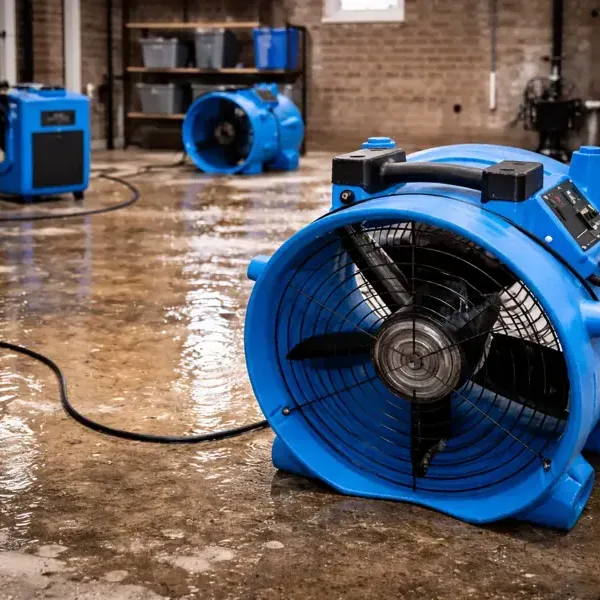
- Wet boundaryCheck beyond the puddle
- Source repairStop continued water entry
- Progress recordsCompare readings and photographs
- Repair readinessAssess layers before closure
Make the first decisions from a dry location
- 1
Avoid unsafe entry. Standing water near electrical equipment, falling ceiling material or contaminated drains warrants keeping everyone outside the affected room.
- 2
Limit further discharge. An accessible supply shutoff may stop a plumbing leak when reaching it requires no contact with water or damaged equipment.
- 3
Record visible changes. Photographs from a safe position can preserve the water boundary, damaged belongings and the apparent source before cleanup changes the scene.
- 4
Separate dry belongings. Unexposed possessions can stay in a dry room while wet items remain available for assessment and documentation of their condition.
- 5
Describe the loss. The cleanup discussion should identify the source, rooms involved, flooring type and whether water continues arriving or has already stopped.
Cleanup matched to the water problem
A bathroom overflow, soaked wood floor and leaking roof each need different decisions. These services explain what gets checked, removed, cleaned or dried before repairs can proceed.
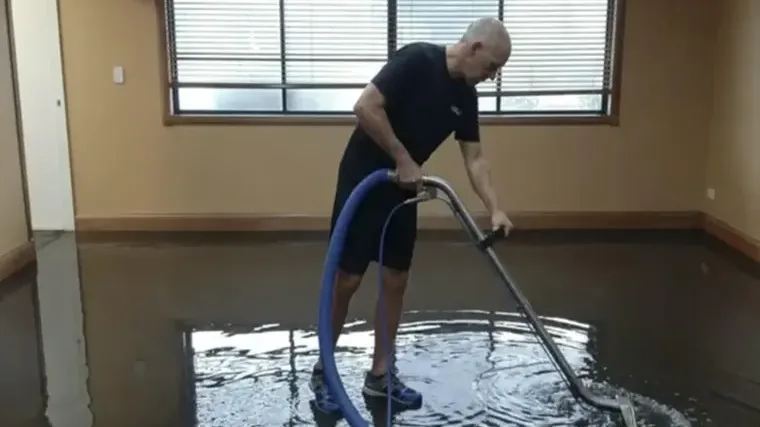 Water ExtractionStanding water is removed while floor edges and adjoining rooms are checked for a wider wet footprint.Explore the service
 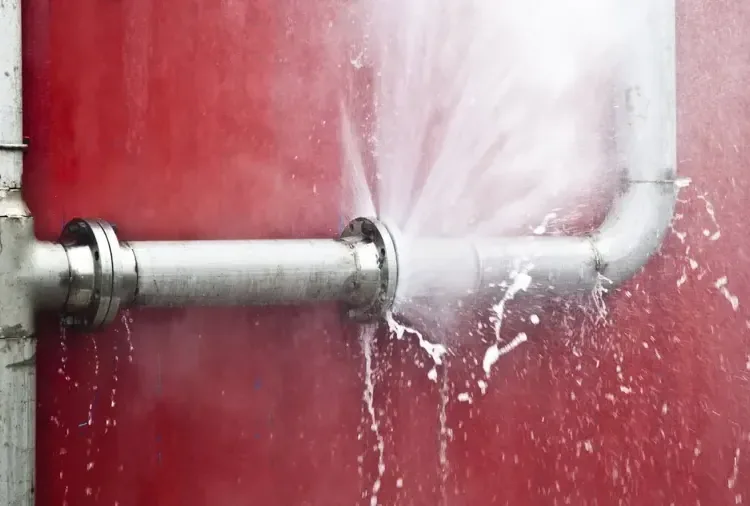 Burst Pipe Water DamageA stopped pipe rupture leaves soaked finishes that need their own cleanup and drying plan after plumbing repair.Explore the service
 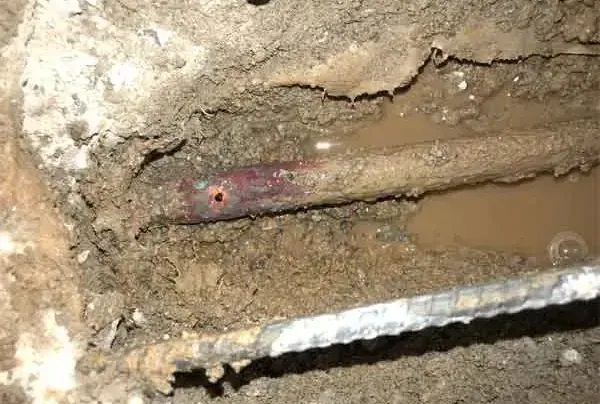 Slab Leak Water DamageMoisture beneath a finished floor calls for source location and careful assessment of hidden wet layers.Explore the service
 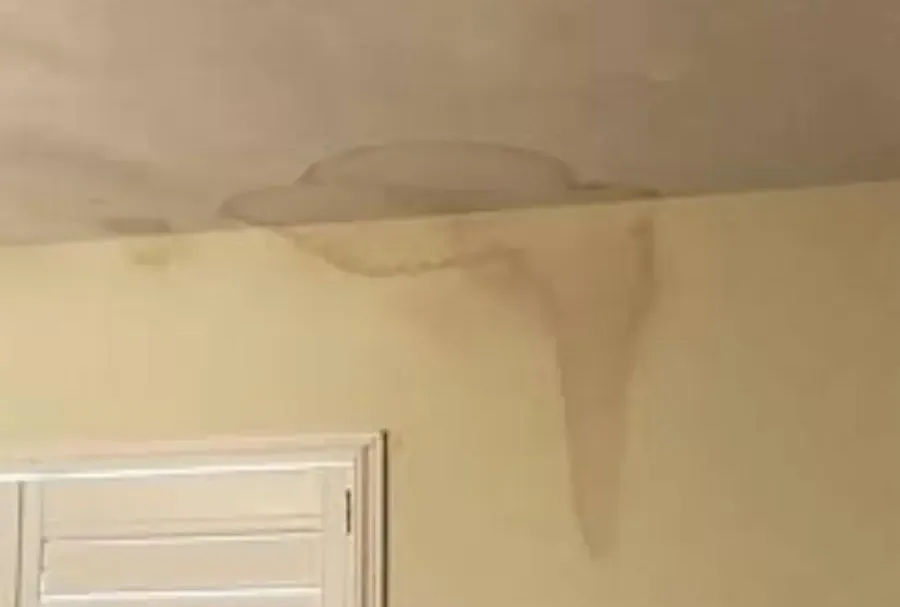 Ceiling Leak Water DamageSagging plaster and dark ceiling marks require attention above the visible damage before any surface repair starts.Explore the service
 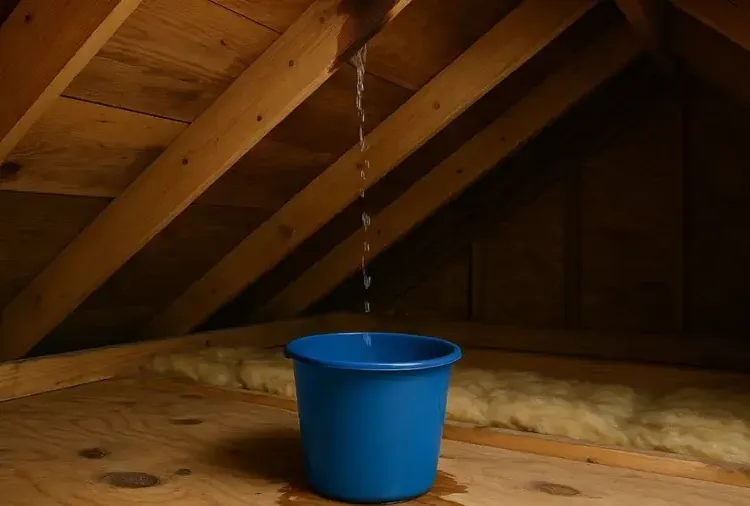 Roof Leak Water DamageRain entering overhead can travel along framing and leave insulation wet beyond the first room with drips.Explore the service
 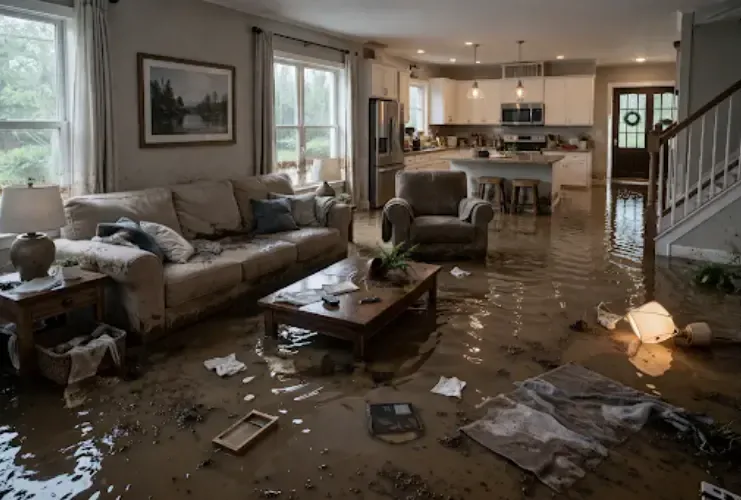 Storm Flood CleanupOutdoor water brings sediment indoors, making contamination assessment part of the initial removal and cleaning work.Explore the service
 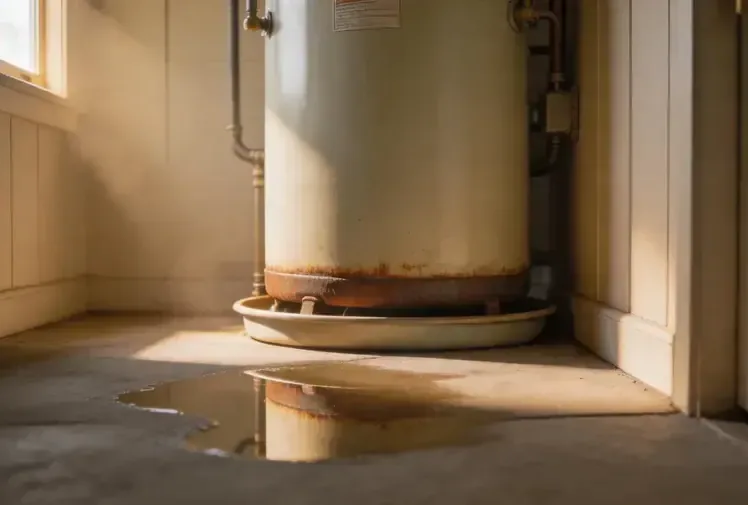 Water Heater Leak CleanupWater around a tank can spread through the closet threshold and collect beneath nearby floor finishes.Explore the service
 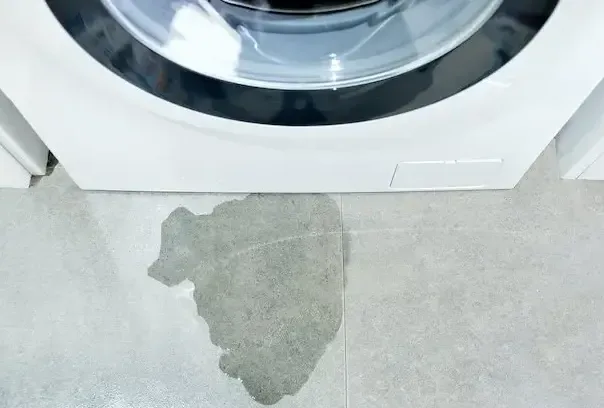 Appliance Leak Water DamageDishwasher and washer leaks demand inspection behind equipment, under cabinets and across concealed flooring seams.Explore the service
 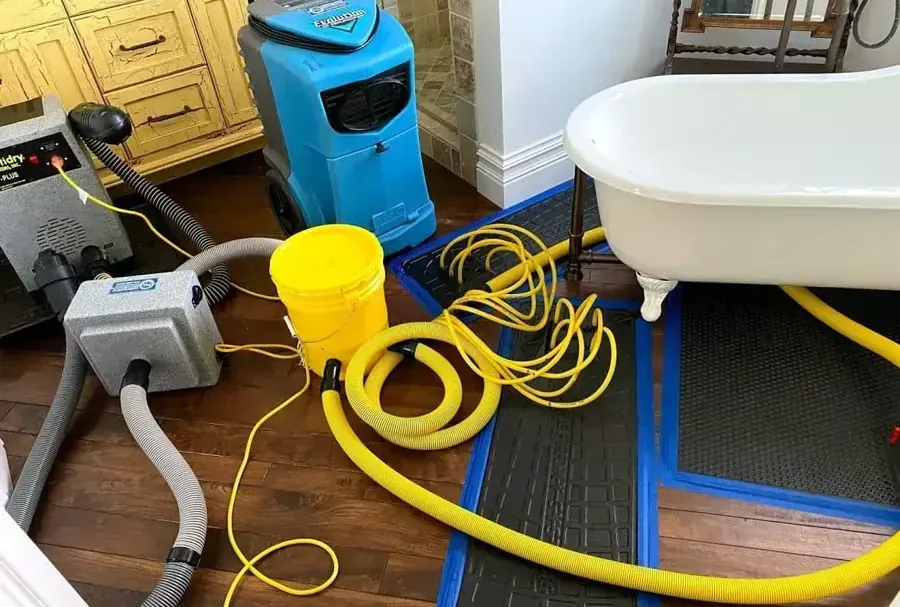 Toilet Overflow CleanupBathroom cleanup separates a supply spill from contaminated overflow and protects the rooms outside the affected area.Explore the service
 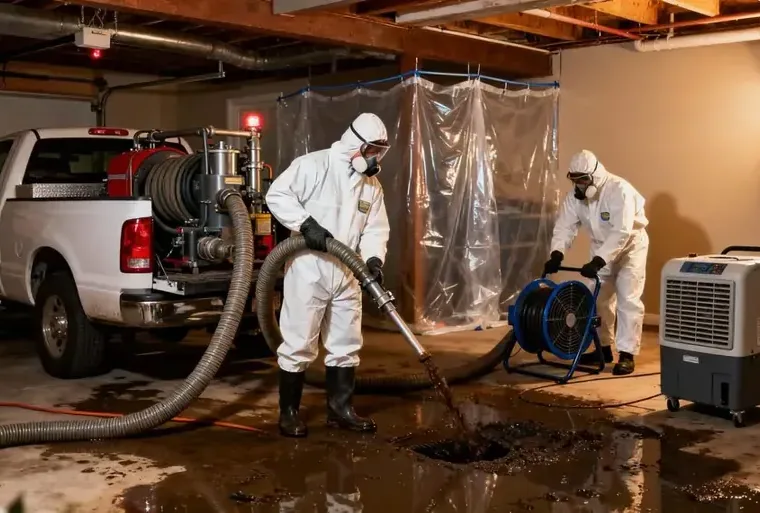 Sewage Backup CleanupDrain wastewater needs controlled removal, appropriate disposal and cleaning before drying equipment circulates air through the space.Explore the service
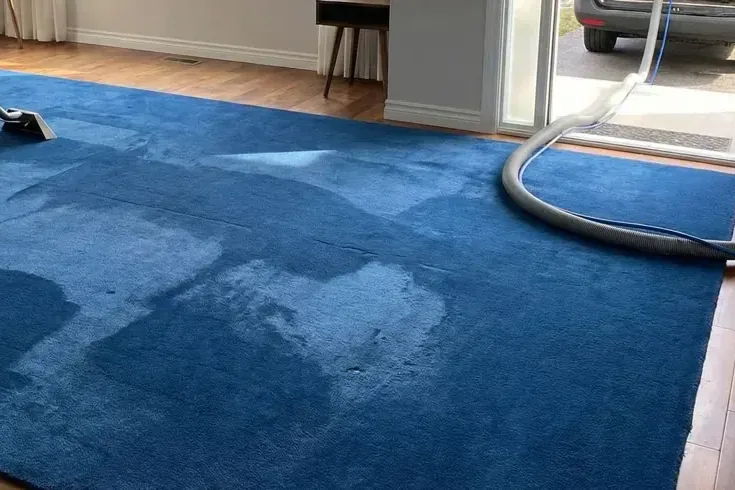
 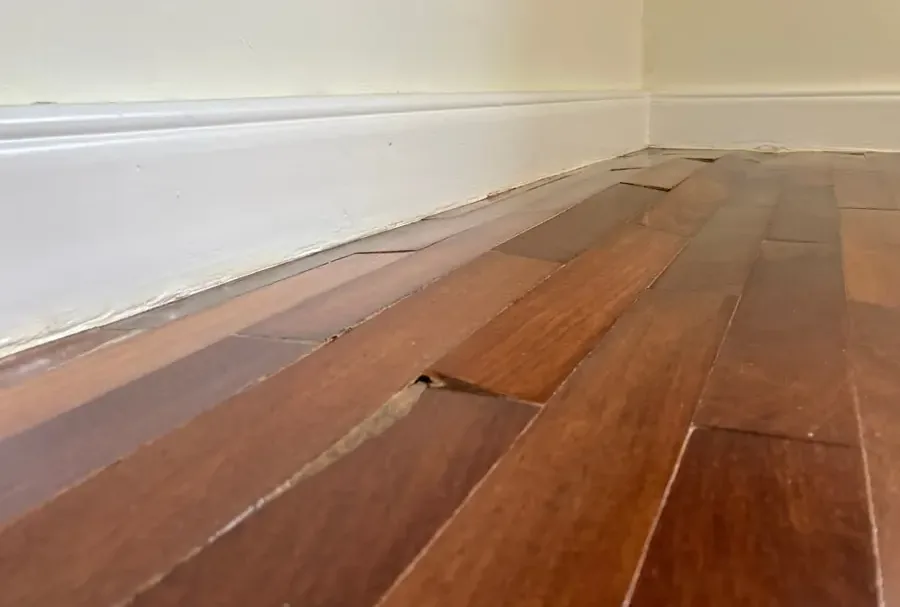 Hardwood Floor Water DamageCupped boards are evaluated with the subfloor so recovery decisions reflect moisture throughout the flooring assembly.Explore the service
 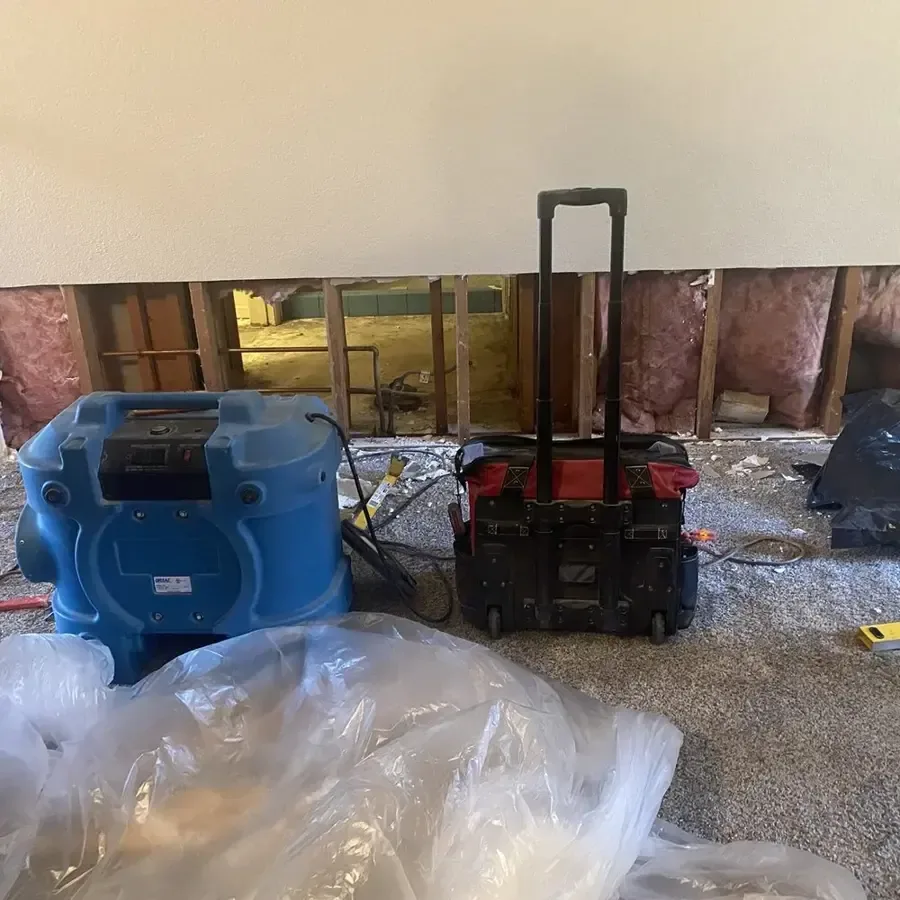 Structural DryingFraming and enclosed cavities need monitored drying, with equipment adjusted as material readings change during the work.Explore the service
 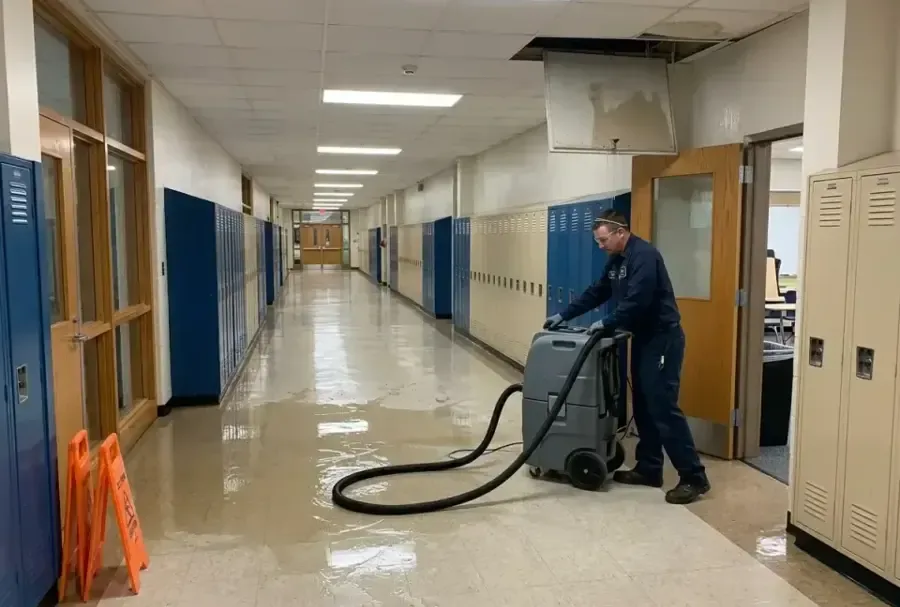 Commercial Water DamageBusiness cleanup coordinates access, wet inventory and equipment placement so occupied areas can be assessed separately.Explore the service
 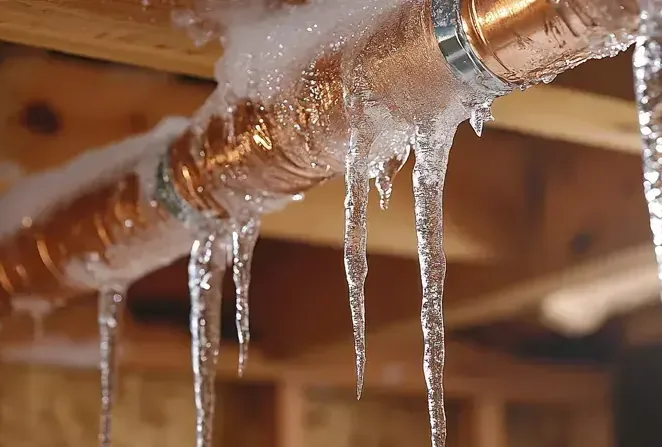 Frozen Pipe Water DamageThawing can reveal concealed pipe damage, requiring renewed leak checks and inspection of surrounding wall and floor materials.Explore the service
 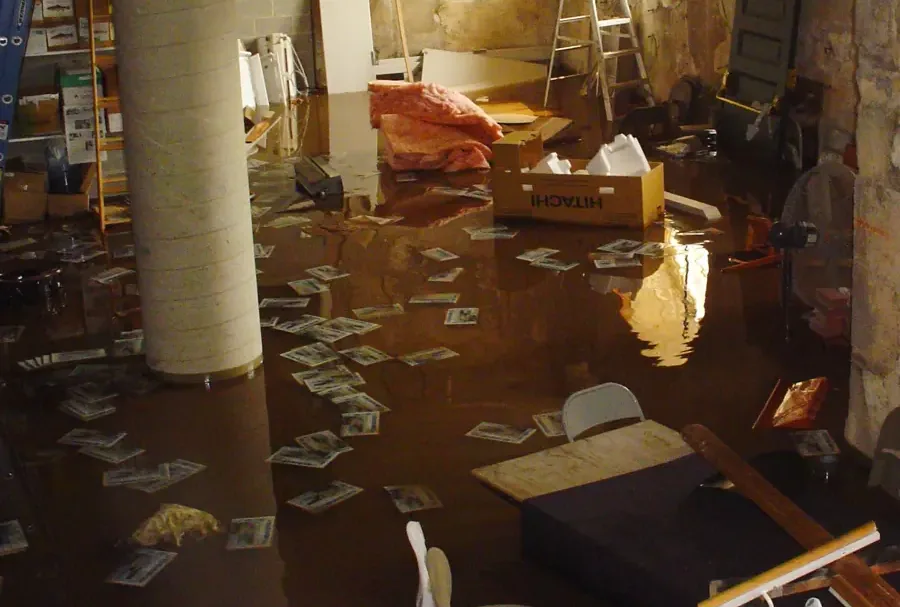 Basement Water RemovalLower-level removal starts with entry safety, water depth and the distinction between incoming water and drain backup.Explore the service
 Drying follows the materials inside the room
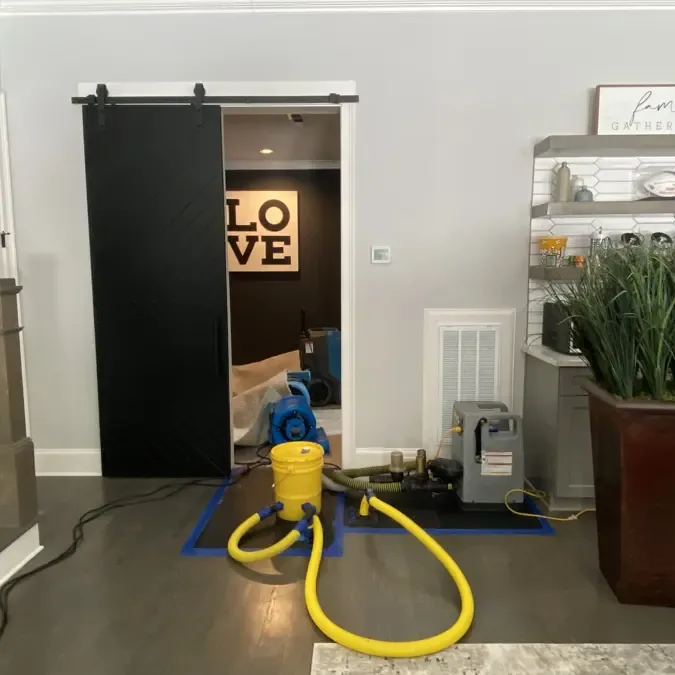
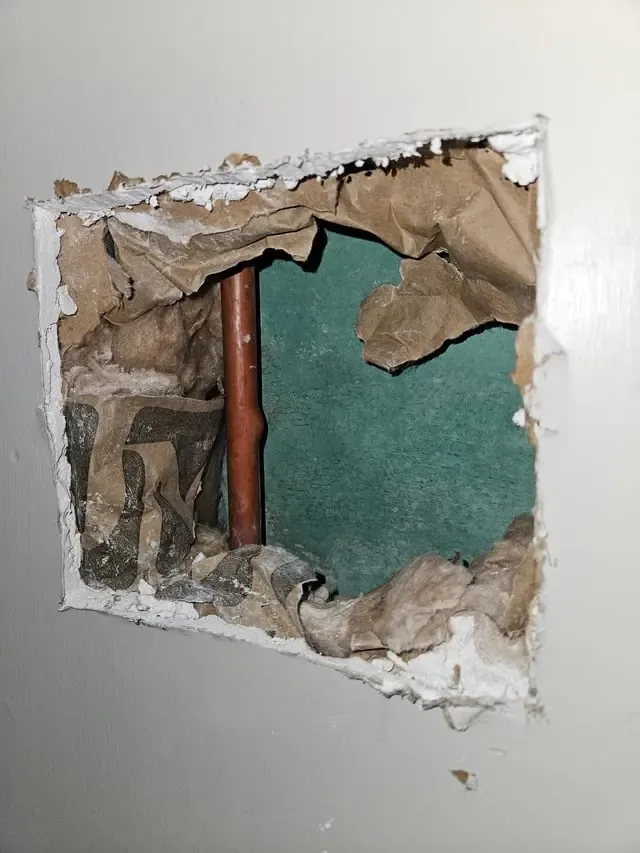
Outdoor air alone cannot show whether a wall cavity is dry. A documented process follows water through the building, removes what cannot remain and checks the assemblies selected for drying.
A visible plan for concealed moisture
Good decisions connect the water path to the materials it touched. The scope should explain why an assembly can dry in place or why access beneath its finish is needed.
- 01
Map the affected materials
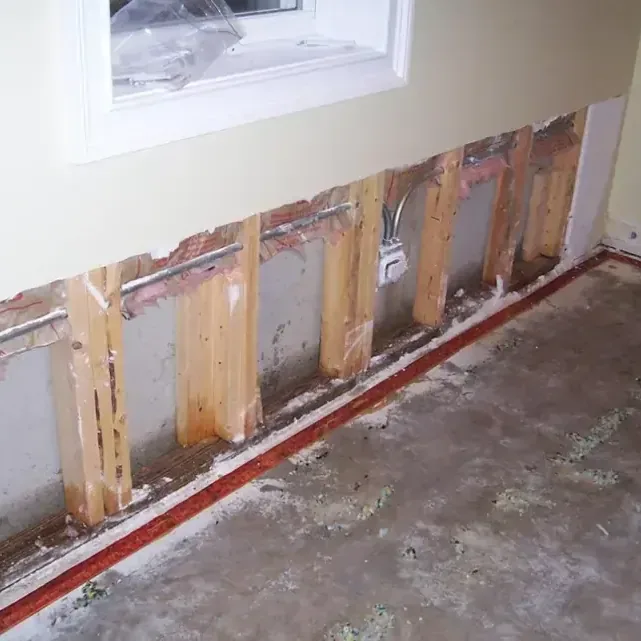
The inspection follows moisture across connected surfaces and checks access points so the cleanup boundary includes concealed wet areas as well as visible puddles.
- 02
Remove and clean first
Extraction clears standing water; cleaning and appropriate material removal prepare the space for controlled airflow without spreading contamination to adjoining dry rooms.
- 03
Control the drying environment
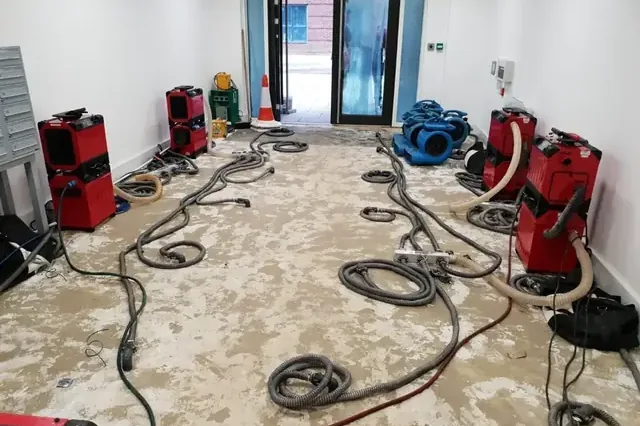
Equipment placement considers room volume, available power and the layers holding moisture, with readings used to adjust the arrangement during drying visits.
- 04
Assess before rebuilding
The closing assessment compares material conditions against drying goals and identifies any remaining repair needs before the structure is covered with new finishes.
Different sources create different cleanup needs
Supply discharge
A damaged pipe can release water into several assemblies before the leak becomes visible, even when the original supply was clean.
Assess pipe damageUsed appliance water
A washer or dishwasher release may contain residues that change cleaning needs, especially beneath cabinetry or absorbent floor coverings.
Inspect appliance spreadDrain wastewater
A sewage overflow requires restricted access and a removal plan for affected porous materials before the remaining structure is cleaned.
Explore wastewater cleanupColorado Springs water damage cleanup costs
Colorado Springs cleanup ranges depend on the affected materials, contamination and access beneath finishes. A written scope should separate water removal, material disposal and drying so the estimate can be assessed against the actual damage.
- Accessible water removal
- Limited material exposure
- Concentrated drying setup
- Broader moisture mapping
- Several affected finishes
- Expanded equipment placement
- Complex concealed access
- Contaminated material disposal
- Multiple drying areas
These planning ranges describe cleanup work. Source repairs and replacement finishes should be identified separately whenever the assessment shows they are needed.
Document the damage and decisions
Colorado Springs Utilities advises reporting wastewater backup claims to the insurance company. An organized record helps explain what happened, which belongings were affected and what cleanup actions were needed before repairs began.
When paying for cleanup directly
A written estimate can distinguish urgent removal from later restoration decisions. The property owner can compare the proposed work with the visible damage.
Any change in scope should explain the newly discovered moisture or access need and how that finding affects the work and price.
- Photograph each affected room safely
- Record when water was first noticed
- Keep the source repair paperwork
- List damaged belongings and condition
- Save cleanup estimates and drying records
Water damage can extend beneath finished surfaces
Describe the property and access conditions
Cleanup requests can identify Knob Hill, Ivywild or Skyway along with the affected rooms. Access limitations and water conditions are more useful than guessing the extent of concealed damage.
For a property in North End or Stratton Meadows, the initial discussion can cover occupants, entry arrangements and whether the water source has been isolated.
(888) 532-8620Explain the access detailsColorado Springs cleanup discussions
Named city corridors
Selected postal listings
80901 80903 80951 80960
Other service areas
Weather and wastewater deserve separate attention
Colorado Springs Utilities describes the climate as semi-arid, while brief summer thunderstorms and private drain blockages create different reasons to examine water entering a building.
May 30, 1935: Cloudbursts along Monument Creek caused a fatal flood in Colorado Springs. The event remains a reminder that outdoor floodwater and indoor plumbing discharge require different assessment and cleanup decisions.
- Summer storm entry. Brief afternoon thunderstorms commonly occur in July and August. Water appearing during rainfall warrants checking the roof path, openings and affected interior materials.
- Private wastewater pipes. Customers maintain the pipe between their home and the utility main. A backup investigation should include that connection and the fixtures discharging into it.
- Roots and blockages. Tree roots can enter underground wastewater pipes. Professional drain assessment helps identify the obstruction while cleanup addresses wastewater that has already entered occupied space.
- Cold weather exposure. March is described as the snowiest month here. Pipe protection and checks after thawing can be discussed alongside cleanup of any actual indoor leak.
- Supply interruptions. A water main break closed Murray Boulevard at Airport Road in May 2026. An indoor wet area still needs direct inspection of its own source.
Questions before the first assessment
Where does cleanup usually start?
The first task is understanding whether water is still entering and whether the room is safe to access. Inspection then follows the wet boundary across connected materials. After the puddle is removed, the technician checks flooring layers and enclosed cavities for retained moisture.
Does a dry floor surface end the job?
Moisture can remain below a finish that feels dry at the surface. Wall bases, underlayment and subfloor layers need separate assessment when exposed to water. Material readings and access to wet layers help determine whether drying should continue before repairs cover the area.
Can water damaged belongings stay in the room?
Contents placement depends on contamination, condition and access for cleanup. Dry possessions can often be separated from affected items. Wet belongings should be photographed and evaluated before disposal, with the removal route arranged so drips or residues do not spread into clean rooms.
Who maintains the private wastewater connection?
Colorado Springs Utilities identifies the property owner as responsible for the service pipe between the home and the utility main. Drain repair and interior cleanup are separate tasks. The scope should show how the blockage is addressed and how affected building materials are handled.
Will the estimate include plumbing work?
The estimate should state whether source repair is included or handled separately. A stopped leak can leave extensive wet materials behind. The property owner should be able to distinguish repair of the failed component from extraction, cleaning, drying and later replacement of damaged finishes.
What information helps with a wastewater claim?
The utility recommends reporting a backup claim to the insurance company. A belongings list can include each item's age, condition and estimated cash value. Photographs, repair paperwork and cleanup records help preserve details as damaged rooms change during removal and restoration.
Does summer rain require a different approach?
Outdoor water may carry sediment and other contaminants through a doorway or building opening. The assessment considers the entry route and everything that water contacted. A roof drip also needs tracing above the ceiling so wet insulation and framing are included in the scope.
Can equipment run while a room is occupied?
That decision depends on safe access, contamination, electrical conditions and the equipment layout. Hoses and cords need clear routes, and some work areas require separation. The cleanup plan should explain which rooms remain available and when an area can return to ordinary use.
How is readiness for repair determined?
The final assessment checks the materials retained for drying and reviews any inaccessible areas that still need attention. Readings, photographs and the removal record should support the decision. New finishes should follow resolution of the water source and the required drying work.
Start with the source and the wet rooms
Describe the water problem and affected materials so the next cleanup decisions match the condition of the property.