Colorado Springs Toilet Overflow Cleanup
An overflowing bowl can send water beneath a vanity before the doorway becomes wet. Colorado Springs toilet overflow cleanup identifies what was released, restricts affected access and examines the floor layers beyond the visible bathroom spill.
(888) 532-8620Discuss the bathroom overflow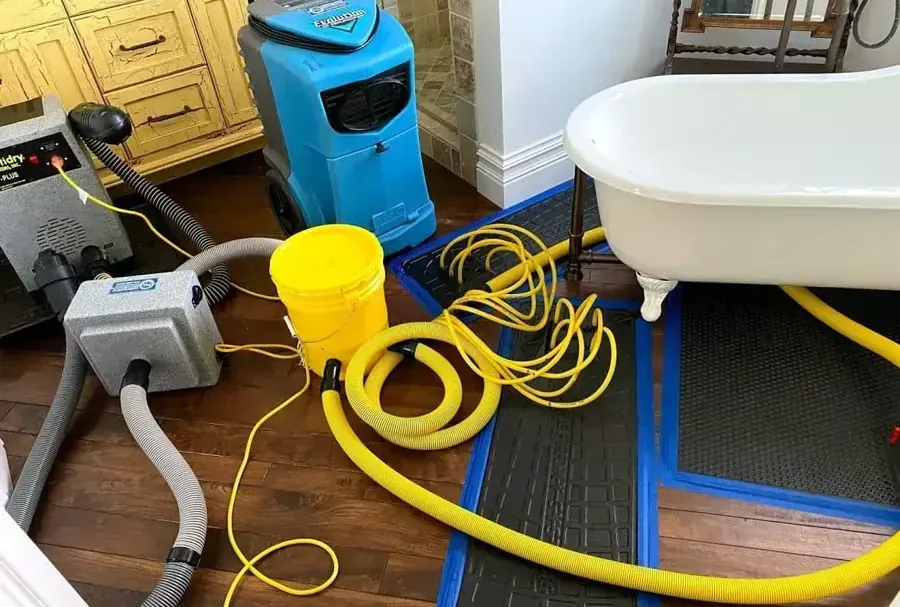
First steps for toilet overflow cleanup
- Keep the bathroom unused
Further flushing can increase the spill when drainage is blocked. People and pets should use an unaffected area while the source and access conditions are evaluated.
- Avoid contact with overflow
The water source may involve waste even when the liquid looks clear. Restrict foot traffic and leave affected floor coverings available for assessment rather than moving them casually.
- Describe other fixture changes
Gurgling, slow drainage or water at another fixture can help the plumbing investigation. The cleanup discussion should also identify any overflow that reached the hallway or lower room.
- Preserve a clean removal route
A controlled route for contaminated materials helps protect dry areas. Wet bathroom contents should remain separated until their condition and the appropriate handling method have been determined.
A toilet overflow needs a source description before a cleanup method is chosen. Water escaping from a supply connection presents a different exposure than wastewater leaving the bowl. The inspection should establish the release point and follow the water beneath fixtures, across floor joints and into any connected room.
What does toilet overflow cleanup cost in Colorado Springs, CO?
Colorado Springs toilet overflow cleanup prices depend on contamination, access under fixtures and spread beyond the bathroom. The scope should describe material removal, cleaning and drying independently of the plumbing work needed to stop repeated overflow.
- Small affected area
- Accessible fixture edges
- Limited contents handling
- Floor layer access
- Wet cabinet assessment
- Focused substrate drying
- Beyond bathroom threshold
- Broader porous removal
- Controlled cleaning route
Water category, affected area, material class and delay before drying change the scope.
Source correction and reconstruction may require separate agreements. These planning ranges are not quotes. Compare the inputs in the water damage cost calculator.
How the toilet overflow cleanup work progresses
The IICRC S500 drying standard ties equipment decisions to material measurements. The project record tracks the source, removal choices, daily conditions and the final moisture comparison.
- 01
Establish the exposure boundary
The assessment identifies the release point and surfaces contacted. Connected floor edges and adjoining room finishes are checked before the cleanup area is defined.
- 02
Remove affected water and materials
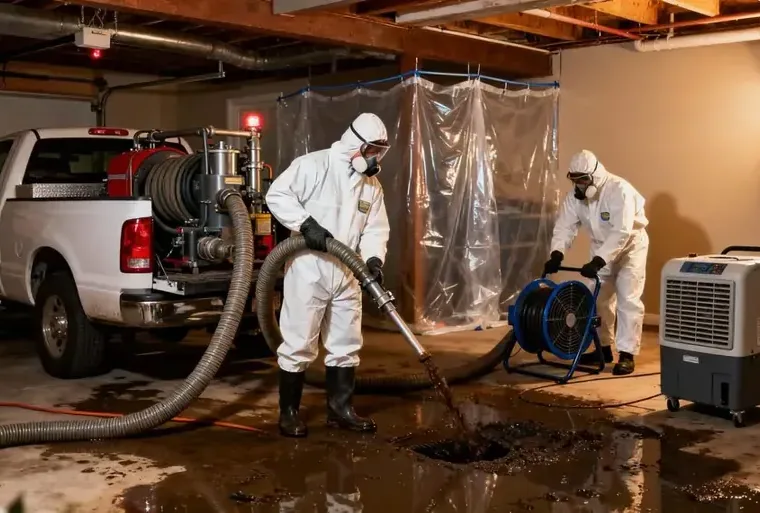
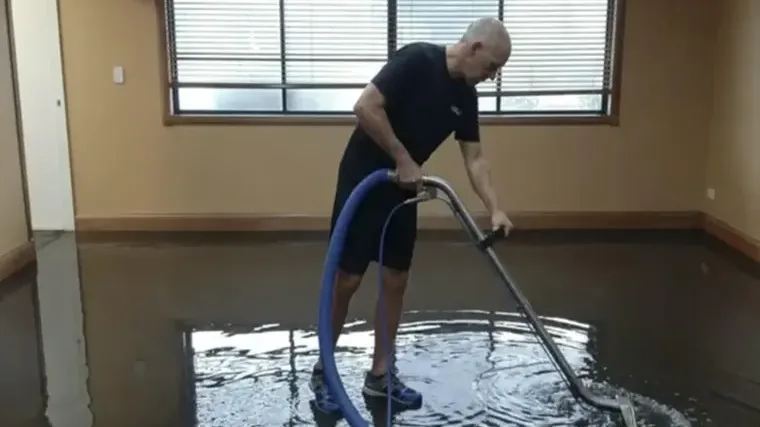
Collection and disposal proceed through a protected route. Porous items and finishes are evaluated for removal so contaminated moisture is not left inside covered layers.
- 03
Clean accessible retained surfaces
Fixture surrounds, floor joints and exposed structural surfaces receive appropriate attention. The plan addresses recesses that ordinary surface wiping may leave untouched after an overflow.
- 04
Check the remaining wet assembly
Drying focuses on retained materials after cleaning. Follow-up assessment supports the decision to replace finishes and return the bathroom area to normal household use.
Limit the spread at the bathroom doorway
In a home in Knob Hill, the first practical concern may be keeping foot traffic from carrying wastewater into the hall. Occupants and pets should stay outside the affected room. Towels, rugs and other items that contacted the overflow need evaluation without being carried through clean living areas as ordinary laundry.
Use the drain history to focus source work
Colorado Springs Utilities advises flushing only toilet paper and natural waste. If another fixture also backs up, the source investigation may need to extend beyond the toilet itself. A plumber addresses the obstruction while restoration work handles the surfaces already exposed. Repeated flushing to test a suspected blockage can add water to the room before cleanup has started.
- Water under a vanity can remain after the open tile surface is wiped.
- Threshold seams may carry moisture into absorbent flooring outside the bathroom.
- Wall bases and cabinet panels need assessment when overflow rests against their edges.
- Cleaning access should include recesses around fixtures selected to remain in the room.
Decide what stays before drying begins
For a bathroom in Ivywild or Cheyenne Canon, the floor assembly determines where hidden wet layers can be reached. Porous materials exposed to contaminated water may need removal. Retained hard surfaces need appropriate cleaning, including joints and edges that are not accessible during routine housekeeping.
Drying equipment follows those removal and cleaning decisions. The closing assessment should identify affected layers, surfaces treated and any continued source concern. When the overflow is part of a broader drain problem, sewage backup recovery can address the connected spaces as one controlled cleanup area.
Toilet overflow cleanup service area
Bathroom overflow planning for Skyway, East End and North End considers fixture access and nearby floor coverings. Reports of water beyond the doorway or at other drains help define the cleanup boundary.
The same service nearby: toilet overflow cleanup in Fountain, Stratmoor, Manitou Springs.
Water damage restoration in Colorado Springs · every town covered
Toilet Overflow Cleanup questions in Colorado Springs, CO
Is a clear-looking overflow harmless?
The release point and contacted surfaces matter more than appearance. Bowl overflow needs assessment for contamination before household cleanup or equipment placement is considered.
Should the toilet be flushed again?
Repeated flushing can worsen an unresolved blockage. The fixture should remain unused while the source is investigated and the affected room is kept separate.
Why inspect under the vanity?
Water can collect beneath the cabinet base and wet absorbent panels. That concealed area may need access after the open floor has been cleared.
Can affected towels enter regular laundry?
Items exposed to overflow need evaluation and controlled handling. Carrying them through dry rooms can transfer contamination before a suitable cleaning or disposal decision.
Does tile prevent concealed damage?
Water can reach edges, joints and underlying layers. The floor assembly needs assessment when overflow has extended beyond an easily accessible surface area.
What if another drain also overflows?
Multiple affected fixtures can indicate a broader drainage problem. The plumbing investigation and cleanup scope should consider the connected spaces and wastewater exposure.
Recover the bathroom beyond the surface spill
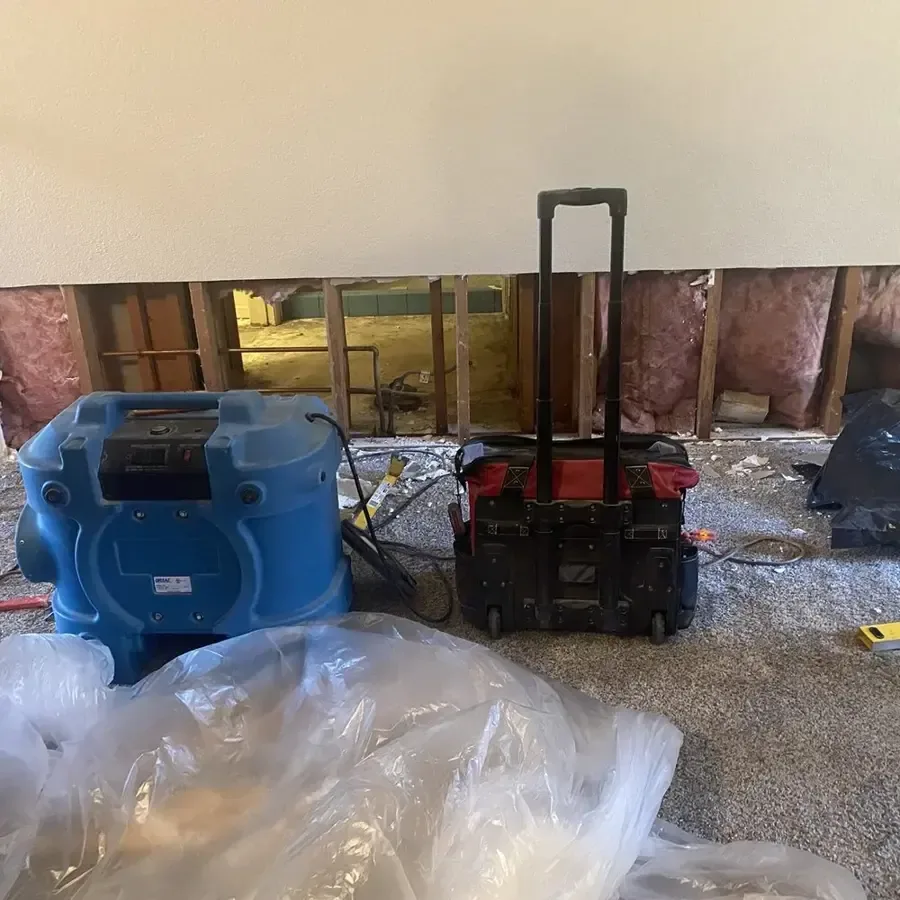
The work should follow moisture under fixtures and into adjoining finishes, with cleaning completed before retained materials receive their drying plan.