Storm Flood Cleanup in Fountain, CO
Runoff carries more than visible water into a building. The flood cleanup crew assesses contamination, removes sediment and affected porous materials, then dries the remaining structure after the entry path is controlled.
(888) 532-8620Runoff indoors? Discuss removal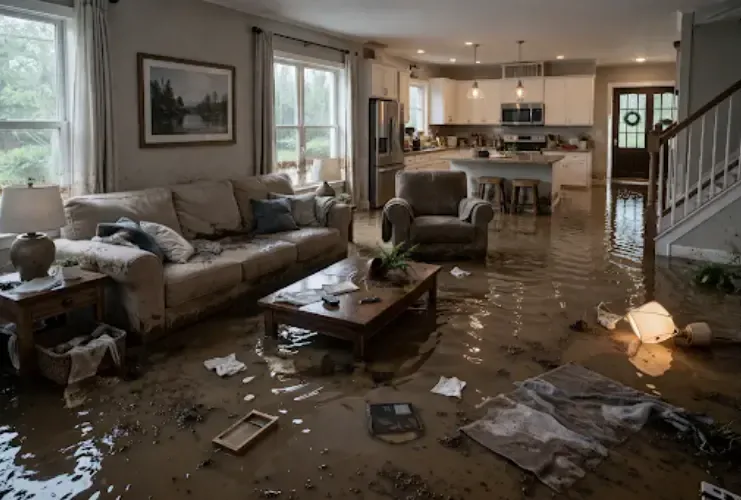
First steps for storm flood cleanup
- Follow official access instructions
The household avoids floodwater and waits for safe reentry, because electrical systems and the building structure still need safety assessment after the water recedes.
- Separate clean and affected areas
People and pets remain outside contaminated rooms, and wet contents stay contained until a removal route can avoid tracking deposits into occupied spaces.
- Record the outside entry
Safe photographs show thresholds, visible sediment and water marks so the assessment can distinguish runoff from another discharge and document the original footprint.
- Report continuing water movement
The property contact notes whether runoff is still entering or drains remain backed up, allowing the crew to plan source control before relying on extraction alone.
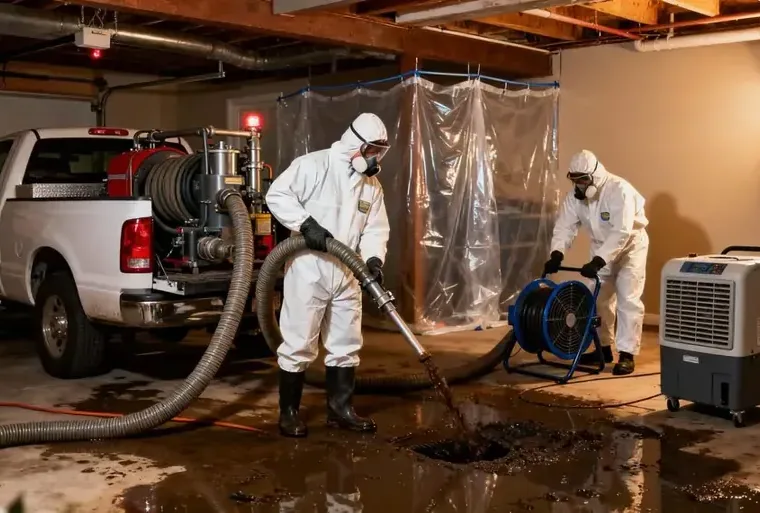
A storm loss can leave grit beneath a floor covering and contaminated water against wallboard. The cleanup sequence addresses those deposits before structural drying. Fast air movement across untreated runoff can spread contamination, so the crew establishes a controlled area rather than immediately filling every room with fans.
What does storm flood cleanup cost in Fountain, CO?
Storm flood cleanup in Fountain commonly needs a planning range of $2,500 to $12,000 or more. Contamination, sediment, affected area and porous material removal drive the scope before reconstruction and source repairs are considered.
- Controlled removal zone
- Limited sediment cleanup
- Focused structural drying
- Porous material removal
- Detailed surface cleaning
- Expanded equipment plan
- Broad demolition scope
- Complex safe access
- Longer drying verification
Water category, affected area, material class and delay before drying change the scope.
Source correction and reconstruction may require separate agreements. These planning ranges are not quotes. Compare the inputs in the water damage cost calculator.
How the storm flood cleanup work progresses
The IICRC S500 drying standard ties equipment decisions to material measurements. The project record tracks the source, removal choices, daily conditions and the final moisture comparison.
- 01
Assess access and contamination
The contractor documents safe entry conditions and the outside-water route, identifying affected contents and materials before removal begins across the building.
- 02
Remove water and deposits
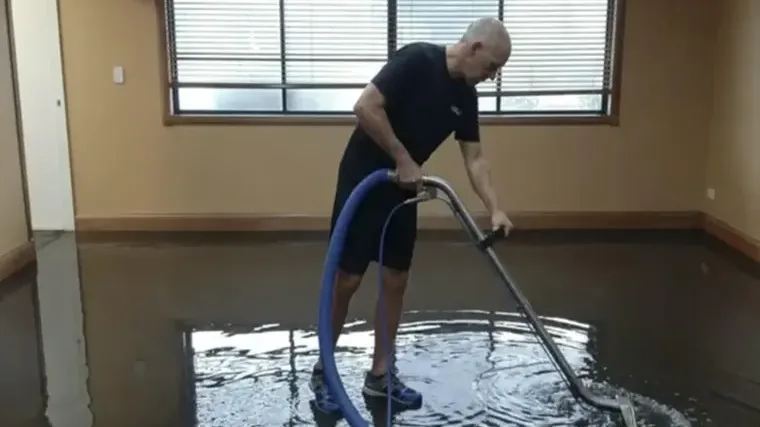
The cleanup crew extracts standing water and collects sediment, using controlled routes that keep contaminated waste from crossing clean occupied areas unnecessarily.
- 03
Clean retained surfaces
Unsuitable porous materials leave the work zone while remaining surfaces receive appropriate cleaning and treatment, with product instructions governing application and contact time.
- 04
Dry the exposed structure
The drying team measures framing and other retained materials, adjusts equipment to the moisture load and records the final comparison before rebuilding starts.
Flood entry in the local watershed setting
Fountain Creek Regional Park includes Willow Springs Ponds and follows Fountain Creek. These features describe the landscape, but a property-specific entry route and flood map determine exposure. Water entering across a threshold, through a low opening or from a backed-up drain needs its own documented account.
- Sediment can remain behind baseboards after the visible water recedes.
- Porous contents may need separation before anyone moves them through clean rooms.
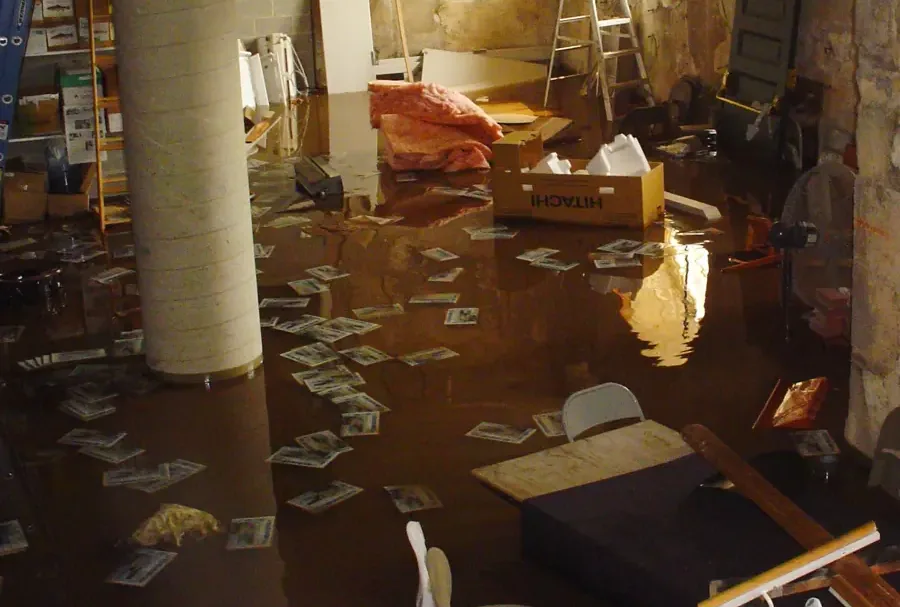
- Wall cavities can retain contaminated deposits above the apparent floor puddle.
- Outside conditions may keep supplying water even after initial extraction begins.
Flood cleanup waits for safe reentry
Residents should follow official evacuation and reentry instructions and avoid walking or driving through floodwater. Wet electrical equipment, unstable structures and hidden debris can make a building unsafe after rain stops. The Ready.gov flood safety information addresses those hazards. A restoration crew does not treat receding water as proof of safe entry. Electrical and structural concerns need assessment, and contaminated work areas remain separated from occupied clean spaces while removal routes are established.
El Paso County experienced a hail event on June 13, 2018. After a storm, the property record should connect the date of damage with photographs of the entry opening, indoor water path and affected contents.
Cleaning before storm flood drying
The crew removes sediment and unsalvageable porous material, cleans remaining surfaces and follows product requirements where antimicrobial treatment is appropriate. Moisture mapping then defines the drying zone. The FEMA flood maps information helps with property risk questions, while the indoor scope relies on actual observed damage.
Daily logs track the retained structure rather than removed carpet or insulation. The claim file should distinguish outside flooding from other discharges and avoid promising that a standard property policy covers the loss. Final material readings document the transition from cleanup to reconstruction after safe source control.
Storm flood cleanup service area
Service extends through ZIP 80817 and the Duckwood Road, Highway 85 and Highway 16 approaches. The intake details identify the affected building, safe access and water source before the restoration team plans equipment and removal.
Storm Flood Cleanup questions in Fountain, CO
Is storm runoff handled like a clean pipe leak?
No. Outside water can carry contamination and sediment. The contractor evaluates removal and cleaning needs before beginning an ordinary structural drying setup.
Does a nearby creek establish a flood zone?
No. The crew maps the affected property and checks where runoff crossed a doorway, wall or lower opening. Buildings near one another may have different conditions.
Can wet carpet be dried after floodwater enters?
Contaminated porous materials generally require removal. The assessment addresses the water category and material condition rather than assuming extraction can preserve every finish.
Does homeowners insurance cover outside flooding?
Coverage depends on the policy and the source. The policyholder should ask the insurer about flood provisions rather than assume a plumbing-water clause applies.
When can fans operate?
The crew first addresses safe electrical conditions and contamination. Controlled drying follows removal and cleaning so airflow does not distribute untreated deposits.
Can a flood loss be reported at night?
24/7 dispatch supports reporting the damage, but official access restrictions and site hazards govern entry. A phone report does not override evacuation or safety instructions.
Related restoration services
Remove contamination before measuring the dry-out
The cleanup plan separates safe entry, controlled removal and structural drying, with 24/7 dispatch for reporting an active loss.