Water Extraction in Fountain, CO
Standing water keeps feeding moisture into wall bases and flooring seams. The extraction crew removes that bulk water first, then measures what remains inside the materials before setting a controlled drying plan.
(888) 532-8620Standing water needs removal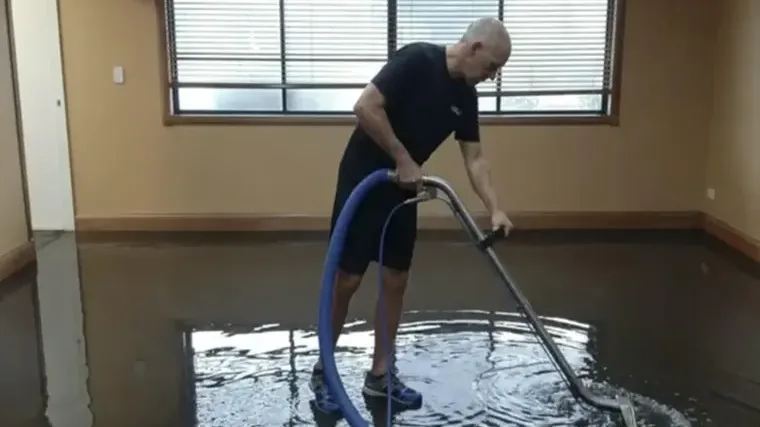
First steps for water extraction
- Keep traffic outside the wet zone
Residents avoid water near outlets, appliances and extension cords, and arrange emergency help when electrical safety or building stability is uncertain.
- Stop a controllable discharge
An accessible supply valve may stop a plumbing loss, but no one should cross contaminated or energized water to reach a shutoff.
- Show the full footprint
Photographs from a dry position capture rooms, thresholds and contents before extraction changes the visible spread and obscures the original water path.
- Arrange safe equipment access
The property contact identifies entrances, stairs and occupied areas so the crew can remove water without dragging hoses or contamination through clean rooms.
A floor can hold a shallow film of water while carpet pad or wall bases contain much more. The technician checks the source, visible depth and affected finishes before choosing extraction equipment. A pump, wand and weighted extractor solve different parts of the loss; none replaces the inspection beneath a wet finish.
What does water extraction cost in Fountain, CO?
Water extraction in Fountain commonly needs a planning allowance of $500 to $3,500, before extensive material removal or reconstruction. Depth, access, affected area and contamination change both the equipment and the time required.
- Accessible hard surface
- Small removal area
- Initial moisture checks
- More equipment movement
- Carpet and edge work
- Wider moisture map
- Controlled work access
- Specialized removal methods
- Additional cleanup scope
Water category, affected area, material class and delay before drying change the scope.
Source correction and reconstruction may require separate agreements. These planning ranges are not quotes. Compare the inputs in the water damage cost calculator.
How the water extraction work progresses
The IICRC S500 drying standard ties equipment decisions to material measurements. The project record tracks the source, removal choices, daily conditions and the final moisture comparison.
- 01
Assess depth and source
The crew records the water origin and affected surfaces, checks safe electrical conditions, and chooses removal equipment that fits the access and contamination category.
- 02
Extract accessible water
Pumps or extraction tools remove standing water while the technician works across thresholds, corners and floor edges instead of stopping at the open center.
- 03
Expose hidden reservoirs
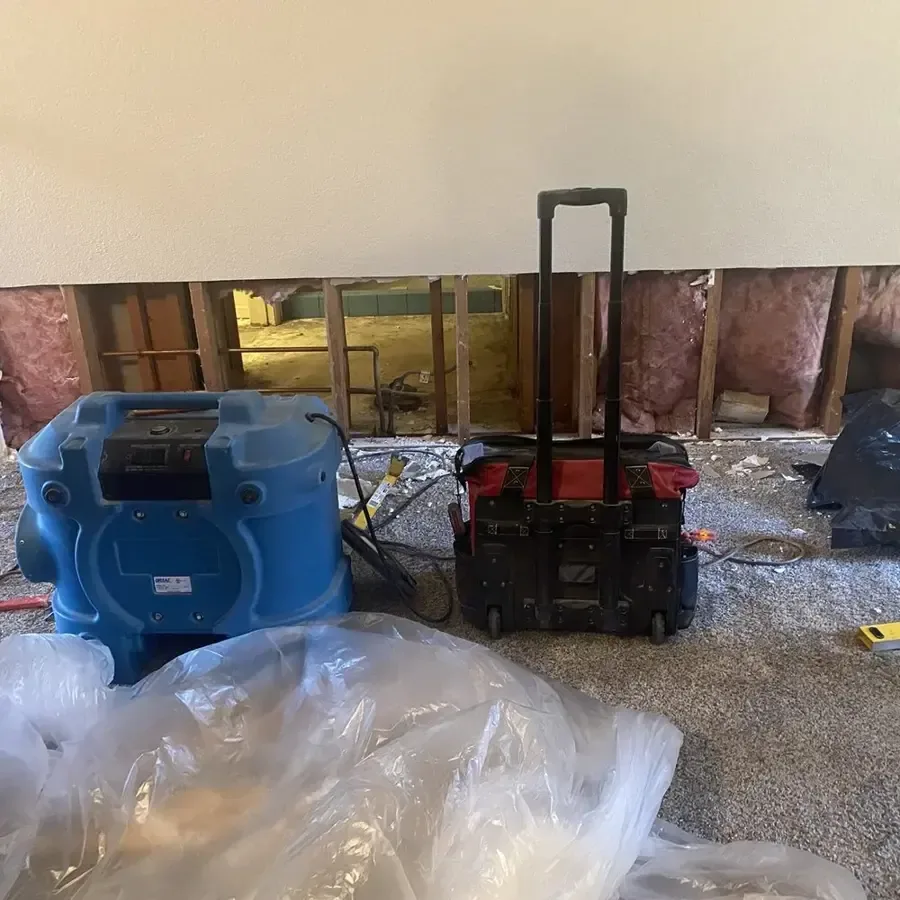
The assessment checks pad, built-ins and low cavities for retained water, documenting any removal needed before the structure can begin drying effectively.
- 04
Confirm the drying handoff
The drying team records remaining material moisture and sets equipment around that map, with repeat measurements establishing progress beyond the initial extraction visit.
Water extraction follows the actual entry route
For a property near Duckwood Road and Fountain Creek Regional Park, the nearest cross street and a description of the wet rooms help dispatch plan access. A supply leak may look similar to outdoor entry once water spreads across the floor. The crew records the origin and contamination before deciding which surfaces can remain.
- Hard surfaces need attention at thresholds and low spots where a thin layer can persist.
- Carpet requires an assessment of backing, pad and the contamination category before extraction proceeds.
- Cabinet recesses and built-in storage can prevent a normal wand from reaching trapped water.
- Wet floor outlets or electrical cords require isolation before powered equipment enters the room.
When the visible water becomes a safety problem
Residents should not enter water that may contact energized equipment. The restoration contractor confirms safe access and does not rely on a dry-looking switch or an ordinary household vacuum. Outside water and sewage need contamination precautions, while a sagging ceiling changes the safe work area below. The Ready.gov flood information explains why floodwater should be avoided. Emergency services handle immediate threats; extraction begins after the hazard is controlled and the removal route does not carry contamination through clean occupied rooms.
For a property reached from Highway 85, the owner should describe the safest entrance and any standing water along the access route. Inside, the technician traces the water to a pipe, drain or exterior opening and checks each affected room.
Extraction ends where material drying begins
The drying team checks edges, joints and the assembly beneath the floor after bulk removal. A meter map shows whether water remains in subfloor, wallboard or framing. The EPA water damage cleanup information reinforces prompt attention to wet materials. Equipment placement then targets those measured areas rather than the former outline of the puddle.
The job record separates gallons or removal work from the continuing drying scope. Daily comparisons show whether hidden moisture is declining, and final readings document the transition to repairs. A dry walking surface alone does not complete the project.
Water extraction service area
Service extends through ZIP 80817 and the Duckwood Road, Highway 85 and Highway 16 approaches. The intake details identify the affected building, safe access and water source before the restoration team plans equipment and removal.
Water Extraction questions in Fountain, CO
Does extraction include drying?
Extraction removes bulk water; drying removes moisture held within materials. A work scope may include both, but the record should distinguish the methods and equipment for each phase.
Can a shop vacuum handle the loss?
Household equipment is not appropriate around electrical hazards or contaminated water. The crew evaluates contamination alongside the water volume, access and surface material before selecting extraction equipment and handling precautions.
Should carpet always stay in place?
No. Contamination, backing condition and the wet pad determine whether extraction can preserve it. Sewage-affected porous materials require removal rather than an ordinary drying attempt.
What if no standing water remains?
A moisture inspection can still find wet wall bases or subfloor. The visible puddle may disappear while the assembly continues holding water that needs structural drying.
Does creek proximity prove outdoor flooding?
No. Fountain Creek is a local water feature, but a building can have an unrelated plumbing discharge. The entry route and source evidence determine the cleanup category.
Is water removal available overnight?
24/7 dispatch accepts an account of the loss and immediate hazards. The response plan considers available equipment, safe entry and the water conditions before removal proceeds.
Related restoration services
Water removal is the first measured step
24/7 dispatch helps begin the assessment while the crew plans bulk removal and checks the hidden moisture left behind.