Sewage Backup Cleanup in Fountain, CO
Sewage is Category 3 water from the outset. The cleanup crew isolates the affected area, removes contaminated porous materials and cleans retained surfaces before controlled drying can address the remaining structure.
(888) 532-8620Sewage inside? Keep clear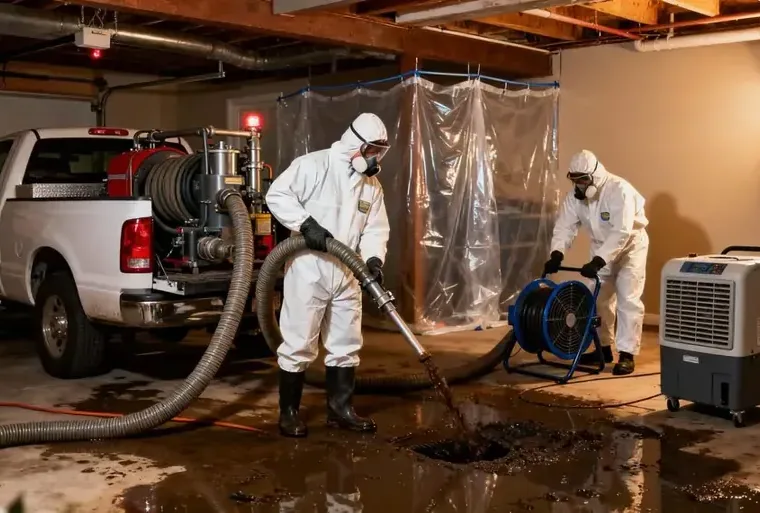
First steps for sewage backup cleanup
- Stop adding water to drains
The household stops fixture use while the blockage remains, reporting multiple affected drains so the plumber and utility can investigate the relevant system.
- Keep the affected room isolated
Residents and pets avoid the sewage area and prevent contaminated footwear or contents from carrying waste into clean living spaces.
- Report the drain problem separately
The property contact notifies the appropriate utility and a plumber while arranging indoor cleanup, keeping source correction distinct from contamination removal.
- Preserve safe documentation
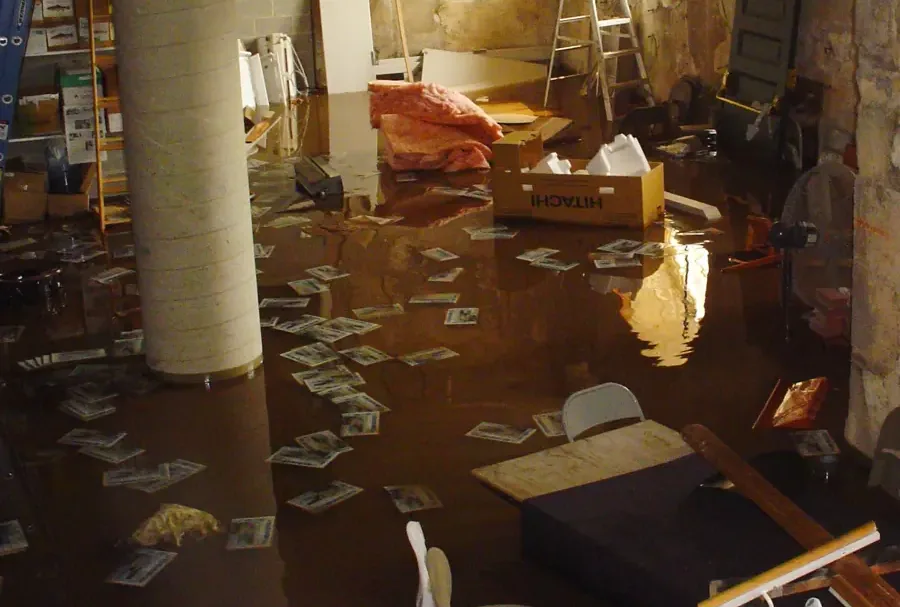
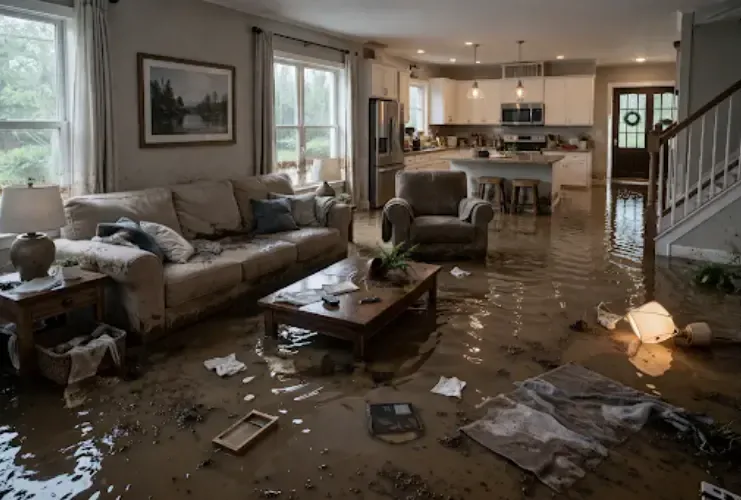
Photographs from a clean position show water marks and affected contents without requiring entry into contaminated water or contact with wet electrical equipment.
A sewage backup can leave deposits inside wall edges and under flooring even when the drain begins flowing again. The restoration contractor evaluates contact surfaces and contamination paths before setting the work boundary. Drain clearing prevents continued overflow, but it does not clean the room or establish that absorbent finishes can remain.
What does sewage backup cleanup cost in Fountain, CO?
Sewage backup cleanup in Fountain commonly needs a planning range of $1,800 to $9,000 or more. Category 3 precautions, porous material removal and the affected area drive the scope before drain repair or reconstruction.
- Isolated work zone
- Controlled extraction
- Surface cleaning
- Porous material disposal
- Antimicrobial dwell time
- Structural drying logs
- Extensive controlled removal
- Complex contents handling
- Larger drying footprint
Water category, affected area, material class and delay before drying change the scope.
Source correction and reconstruction may require separate agreements. These planning ranges are not quotes. Compare the inputs in the water damage cost calculator.
How the sewage backup cleanup work progresses
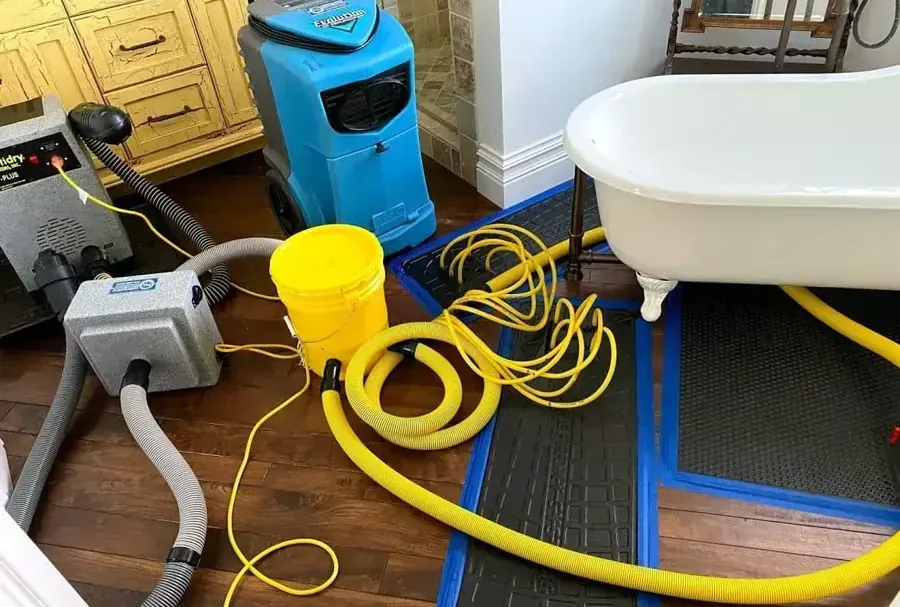
The IICRC S500 drying standard ties equipment decisions to material measurements. The project record tracks the source, removal choices, daily conditions and the final moisture comparison.
- 01
Set the contamination boundary
The cleanup contractor records Category 3 exposure, evaluates safe access and establishes isolation before workers move equipment or waste through the building.
- 02
Remove sewage and porous waste
Protected workers extract the discharge and remove affected absorbent materials above the visible waterline where needed, documenting why each removal boundary was chosen.
- 03
Clean remaining surfaces
The crew cleans retained nonporous or otherwise suitable surfaces and follows product instructions for any EPA-registered antimicrobial, including the required contact or dwell time.
- 04
Measure the structural dry-out
After contamination work, the drying team tracks retained framing and substrate moisture, recording progress and the final comparison before replacement finishes return.
Sewage backup investigation and district reporting
Fountain Sanitation District tells households to stop drain use during a backup, contact a plumber and report the issue to the utility. Neighbors with the same problem can indicate a main-sewer issue. Around Highway 85 and Duckwood Road, the specific property findings still determine whether the source involves a private drain or another part of the system.
- Porous flooring, pad and wallboard exposed to sewage require removal rather than ordinary drying.
- The removal boundary extends above the visible waterline when contamination or wicking reaches higher material.
- Contaminated contents stay separate from clean storage and occupied rooms.
- The crew uses gloves, protective clothing, eye protection and suitable respiratory protection for the assessed conditions.
Sewage safety and controlled removal
Residents should avoid contact with sewage and keep children and pets outside the affected area. Ordinary household fans can distribute contamination before cleanup, while wet electrical equipment creates another hazard. The Ready.gov flood information explains why contaminated water and unsafe entry need caution. The contractor establishes a contained work area and removal route, then handles waste without carrying it through clean rooms unnecessarily. A cleared drain does not remove the need for contamination assessment or protective equipment during the cleanup.
The utility's investigation and indoor restoration have different responsibilities. A written record should avoid attributing fault before the drain findings establish the cause.
Cleaning the retained structure before drying
After extraction and porous material removal, the crew cleans suitable remaining surfaces and applies an EPA-registered antimicrobial where appropriate, observing the product's stated dwell time. Contaminated absorbent materials need removal before the remaining surfaces are cleaned and treated. The EPA flooded-home cleanup information supports a sequence that addresses wet materials and contamination.
Structural drying follows this work with moisture measurements in the retained framing and substrate. The file documents the category, disposal scope, cleaning steps and daily conditions. Coverage for a backup depends on policy terms and endorsements, so the policyholder asks the insurer rather than treating the cleanup invoice as a coverage decision.
Sewage backup cleanup service area
Service extends through ZIP 80817 and the Duckwood Road, Highway 85 and Highway 16 approaches. The intake details identify the affected building, safe access and water source before the restoration team plans equipment and removal.
Sewage Backup Cleanup questions in Fountain, CO
Can sewage-soaked carpet be saved by drying?
Ordinary drying does not remove Category 3 contamination from porous materials. The cleanup assessment identifies affected carpet, pad and other absorbent layers for removal.
Why remove wall material above the water mark?
Wicking and contamination can extend beyond the visible level. The crew evaluates the affected material and sets the removal boundary from those conditions.
Does disinfectant replace cleanup?
No. Cleaning, waste removal and suitable material disposal come first. Any antimicrobial must follow its label, including dwell time, and cannot make every contaminated porous item salvageable.
Who investigates the sewer source?
A plumber and the appropriate utility investigate their respective parts of the system. The restoration contractor documents the indoor exposure, affected materials and cleaning work while the drainage provider investigates the obstruction.
Is backup coverage automatic?
No. Policy terms and endorsements determine coverage. The household asks the insurer specifically about sewer or drain backup and preserves the source and cleanup records.
Can sewage damage be reported overnight?
24/7 dispatch supports reporting the loss and hazards. Residents should remain out of contaminated rooms while safe access and the cleanup plan are arranged.
Related restoration services
Contain the backup and clean before drying
The Category 3 work plan addresses protective equipment, material removal and surface treatment, with 24/7 damage reporting available.