Slab Leak Water Damage in Fountain, CO
A damp floor does not reveal which pipe failed or whether the source lies below the slab. The restoration assessment separates leak detection, water removal and the moisture testing required before new flooring goes down.
(888) 532-8620Damp floor? Trace the source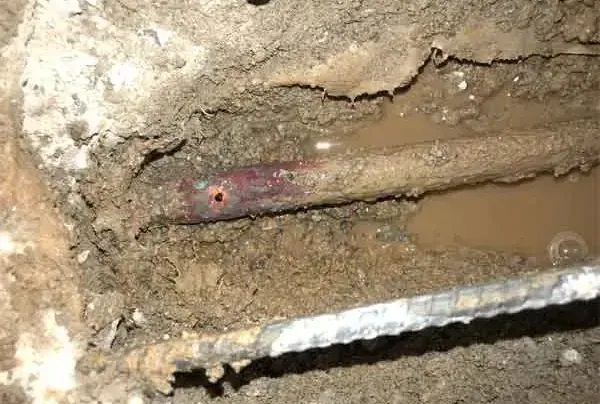
First steps for slab leak water damage
- Treat a damp patch as a clue
The household notes where flooring changed and whether water use affects the condition, avoiding a diagnosis based solely on warmth, staining or a loose plank.
- Arrange source testing
A plumbing professional determines whether the leak involves a buried supply, another pipe or a different moisture source before invasive access begins.
- Keep wet electrical areas clear
Residents avoid appliances and floor outlets near the wet patch until safe conditions are established, even when no deep standing water is visible.
- Preserve the floor record
Photos and marked moisture locations document the affected finish before removal, helping separate leak access work from the damage that the water caused.
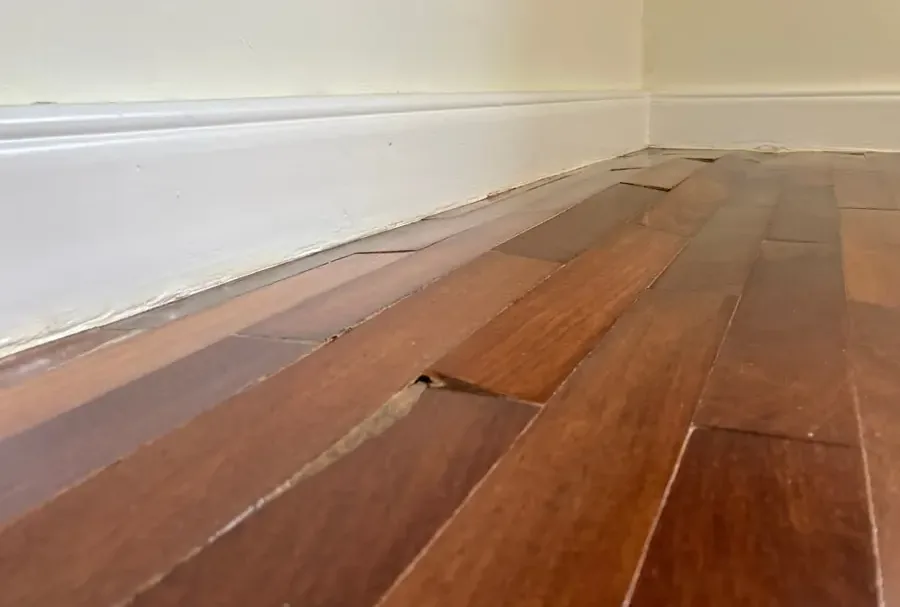
A warm patch, loose plank or damp grout joint can prompt an investigation, but none proves a buried supply leak by itself. A plumbing professional checks the source while the mitigation technician maps affected finishes. That separation prevents unnecessary demolition and identifies water that has already moved beyond the suspected pipe route.
What does slab leak water damage cost in Fountain, CO?
Slab leak water damage restoration in Fountain often needs a planning range of $1,500 to $7,000. Floor removal, access and drying duration drive the cleanup cost; leak detection, pipe repair and replacement finishes can be separate.
- Small affected area
- Accessible wet edges
- Focused drying setup
- Selective finish removal
- Cabinet edge checks
- Repeat material readings
- Several wet assemblies
- Longer drying period
- Installation condition review
Water category, affected area, material class and delay before drying change the scope.
Source correction and reconstruction may require separate agreements. These planning ranges are not quotes. Compare the inputs in the water damage cost calculator.
How the slab leak water damage work progresses
The IICRC S500 drying standard ties equipment decisions to material measurements. The project record tracks the source, removal choices, daily conditions and the final moisture comparison.
- 01
Establish a baseline
The technician maps the floor, wall bases and cabinetry before removal, recording moisture patterns alongside the plumbing professional's findings about the actual source.
- 02
Open the necessary layers
The restoration crew removes unsalvageable coverings and creates approved access to wet materials, keeping the cleanup scope distinct from the plumbing repair opening.
- 03
Control the room conditions
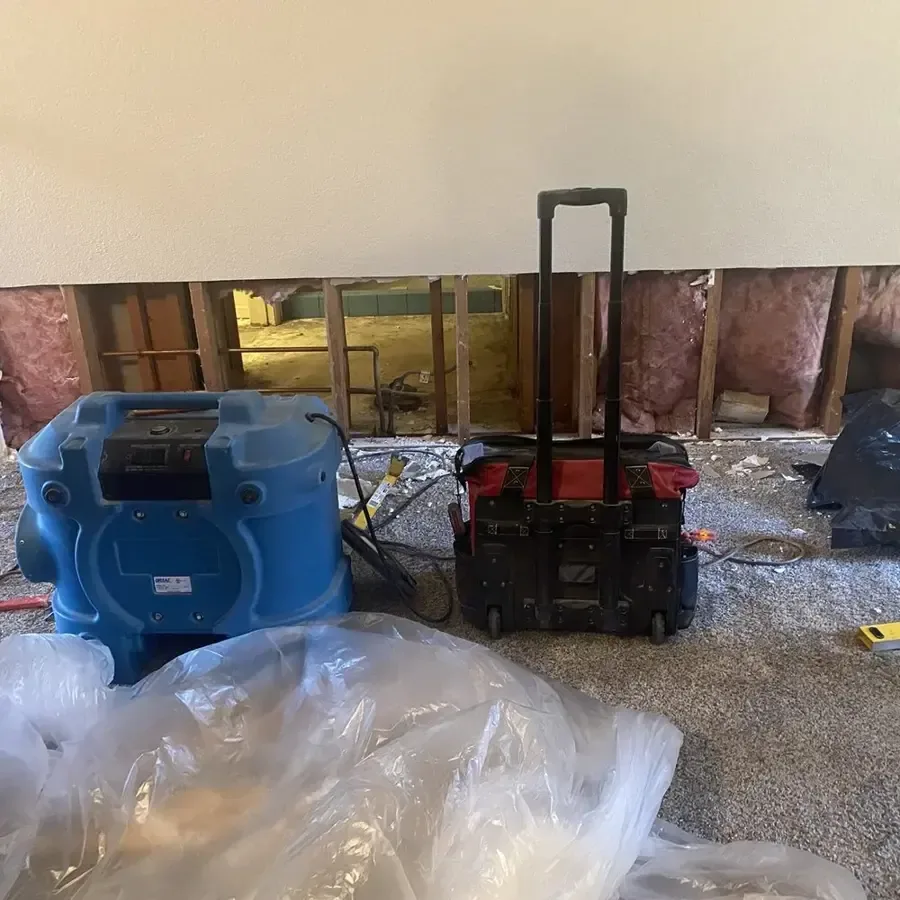
Dehumidifiers manage the evaporation load while the drying team follows material readings, adjusting the setup when a covered layer or dense assembly limits progress.
- 04
Document readiness for finishes
The final record identifies dry comparison readings and any material-specific installation tests still required, so the reconstruction contractor can assess the replacement floor correctly.
Slab leak assessment before the floor opens
Duckwood Road and Highway 85 provide access references for local properties. The nearby Fountain Creek Nature Center identifies the surrounding landscape, not the foundation type beneath a particular home. An assessor verifies whether the building actually has an affected slab and which plumbing runs through or below it.
- Floor coverings can conceal damp adhesive long after the exposed edge feels dry.
- Moisture at a wall base may extend from a wet floor rather than a pipe inside the wall.
- Cabinet toe kicks can hide water against absorbent panels and adjacent wallboard.
- Persistent moisture after source repair calls for another check of the assembly and remaining water path.
Slab leak work and safe access
Residents should not cut, drill or break a slab to investigate an unexplained damp patch. Hidden plumbing, electrical components and the structural assembly need professional evaluation. Water near appliances or floor outlets also changes the safe working area. The Ready.gov emergency planning page supports keeping utility shutoff details accessible before a loss. A restoration contractor coordinates removal around the confirmed repair scope, keeping debris and wet materials separated from occupied rooms rather than opening a guessed pipe route.
The technician records the pre-removal floor condition so later testing can compare locations rather than rely on memory of the original wet spot.
Slab moisture before replacement flooring
Concrete, adhesive and the finish above it do not share one drying endpoint. The drying team manages evaporation with controlled air conditions, then checks the requirements that apply to the replacement material. A surface meter can help map change without replacing the flooring manufacturer's installation tests.
The EPA cleanup information for wet buildings supports prompt attention to moisture and affected materials. The record should distinguish plumbing access damage from water damage removal, note daily progress and identify any remaining installation conditions. Covering a damp assembly too early can trap moisture beneath a new floor even after the supply repair succeeds.
Slab leak water damage service area
Service extends through ZIP 80817 and the Duckwood Road, Highway 85 and Highway 16 approaches. The intake details identify the affected building, safe access and water source before the restoration team plans equipment and removal.
Slab Leak Water Damage questions in Fountain, CO
Does a warm floor prove a slab leak?
No. Warmth is one observation, not a diagnosis. A plumbing professional checks the source and the restoration technician measures the affected assembly before either defines an invasive scope.
Can the floor stay in place?
Sometimes, depending on contamination, adhesive condition and access to the wet layer. A finish that blocks drying or has lost integrity may need selective removal.
Is leak detection part of structural drying?
Leak detection identifies the source. Structural drying addresses moisture remaining after source control. The written scope should distinguish those tasks and any plumbing repair.
When can new flooring be installed?
The replacement product's requirements and the condition of the substrate control that decision. The flooring professional checks the substrate against the replacement product's installation requirements.
Could water at the wall come from the floor?
Yes. Water can move into wall bases and cabinetry from a damp floor assembly. The assessor checks those edges instead of limiting readings to the suspected pipe location.
What should an urgent report include?
24/7 intake benefits from the affected room, visible floor changes and whether water remains active. Electrical hazards, loose finishes and the status of any shutoff are also useful details.
Related restoration services
A repaired pipe still leaves a drying question
24/7 water damage support starts the assessment of moisture beneath finishes, with the repair and drying scopes recorded separately.