Appliance Leak Water Damage in Fountain, CO
A washer, dishwasher or refrigerator leak can travel under a finished floor before anyone sees the water. The mitigation crew checks the appliance source and the concealed edges that keep feeding moisture into the room.
(888) 532-8620Appliance water underfoot? Call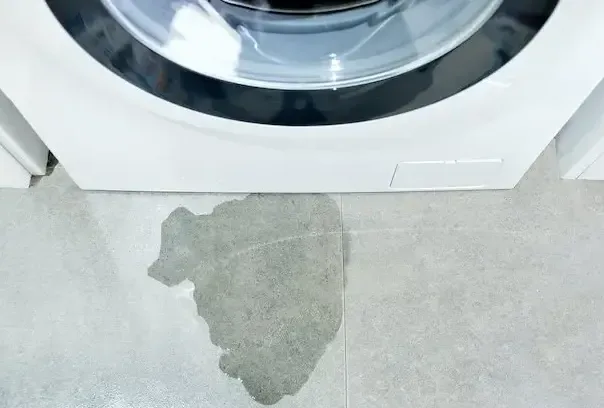
First steps for appliance leak water damage
- Stop use of the leaking appliance
The household leaves the machine idle and avoids another test cycle that could add water, particularly when the suspected problem involves a drain discharge.
- Keep electrical access safe
Residents do not reach through water to unplug or move equipment; an appropriate professional establishes isolation before accessing wet connections behind the machine.
- Describe the cycle and timing
The intake account notes whether water appears during filling, draining or idle periods, supplying clues without substituting a guess for an appliance diagnosis.
- Look beyond the front edge
Safe observations include adjoining cabinet bases, flooring seams and the room below, where appliance water can appear away from its original source.
An appliance can leak during a cycle and appear dry while idle. The assessor asks when the water appears and whether the source involves a supply hose, pump or drain. That distinction helps establish contamination and prevents the cleanup plan from treating all appliance water as a clean discharge.
What does appliance leak water damage cost in Fountain, CO?
Appliance leak restoration in Fountain often needs a planning allowance of $800 to $5,000. Hidden floor layers, cabinet damage and wastewater contamination affect cleanup; appliance repairs and replacement cabinets require their own scope.
- Accessible removal area
- Limited finish exposure
- Source already controlled
- Toe-kick assessment
- Substrate moisture checks
- Selective access work
- More finish removal
- Expanded drying equipment
- Contamination precautions
Water category, affected area, material class and delay before drying change the scope.
Source correction and reconstruction may require separate agreements. These planning ranges are not quotes. Compare the inputs in the water damage cost calculator.
How the appliance leak water damage work progresses
The IICRC S500 drying standard ties equipment decisions to material measurements. The project record tracks the source, removal choices, daily conditions and the final moisture comparison.
- 01
Distinguish the discharge
The technician records whether the source is a supply connection or used water, checks the observed timing and assesses contamination before planning removal.
- 02
Reach trapped water
Safe appliance access exposes the floor beneath and adjacent cabinet edges, allowing the crew to remove water that ordinary surface cleaning cannot reach.
- 03
Evaluate material recovery
Swollen panels and wet layered flooring receive separate condition checks while the drying team establishes airflow and humidity control around salvageable materials.
- 04
Verify the concealed edges
Repeat measurements include the substrate, cabinet bases and connected rooms, documenting the dry-out independently from the appliance repair or replacement appointment.
Appliance water beneath cabinets and floor coverings
A kitchen along Highway 85 may have different flooring and cabinetry from a laundry near the Duckwood Road area. Fountain Creek Nature Center provides another useful location reference when describing access to the affected property. The technician inspects the actual cabinet toe kicks, flooring seams and connected rooms.
- Water can run beneath a dishwasher without appearing at the front immediately.
- A refrigerator supply connection may feed a slow wet area beneath an adjoining cabinet.
- Laundry drain water can carry residues that change cleanup requirements.
- Layered flooring can retain moisture after a household wipes the visible surface.
Safe appliance access before cleanup
Residents should not pull a heavy appliance across a wet floor or reach behind it near energized connections. The safe response depends on the water location and the appliance's energy source. A professional establishes isolation before movement or access work. The Ready.gov household planning page supports identifying emergency contacts and utility controls in advance. The restoration crew avoids spreading used drain water through clean rooms and checks whether the leak continues before placing drying equipment around the machine.
A small recurring leak can damage a concealed panel over time. The work record describes observed deterioration and timing without guessing when a hidden discharge began.
Appliance leak drying that reaches the substrate
The crew removes trapped water and evaluates whether panels, pad or coverings obstruct drying. Cabinet materials can swell or lose integrity, so a moisture reading is only part of the salvage decision. Air movement and dehumidification address retained materials that remain structurally suitable.
The EPA water damage cleanup information supports timely handling of wet building materials. Daily logs should include the substrate and cabinet edges, not only room humidity. Reconnecting a working appliance comes after its own repair and safety checks, while the restoration record identifies any finish replacement still required.
Appliance leak water damage service area
Service extends through ZIP 80817 and the Duckwood Road, Highway 85 and Highway 16 approaches. The intake details identify the affected building, safe access and water source before the restoration team plans equipment and removal.
Appliance Leak Water Damage questions in Fountain, CO
Are appliance leaks always clean water?
No. A supply connection and a machine drain carry different water. The actual source, residues and contact conditions determine contamination precautions.
Can the appliance stay in place?
Access requirements and safety determine that. Water beneath a machine may need professional movement, but the household should not pull energized equipment through a wet area.
Why check cabinets after a floor wipe?
Toe kicks and panel edges can retain water beyond the cleaned surface. Some materials swell or lose integrity, requiring a condition assessment as well as drying.
Does a repaired hose finish restoration?
The hose repair stops the source. Moisture trapped beneath flooring or inside cabinetry remains a separate restoration issue.
What if the leak only happens during a cycle?
The timing is useful to the appliance professional. Repeating a cycle to reproduce the problem can add damage, so the household should describe the observations instead.
What helps with an after-hours report?
24/7 intake needs the appliance type, apparent discharge source and wet surfaces. Mention electrical concerns and avoid unsafe access merely to inspect a connection.
Related restoration services
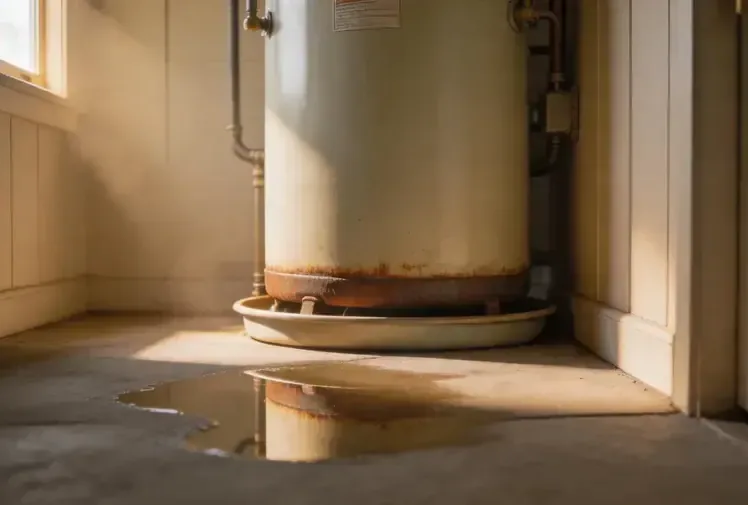
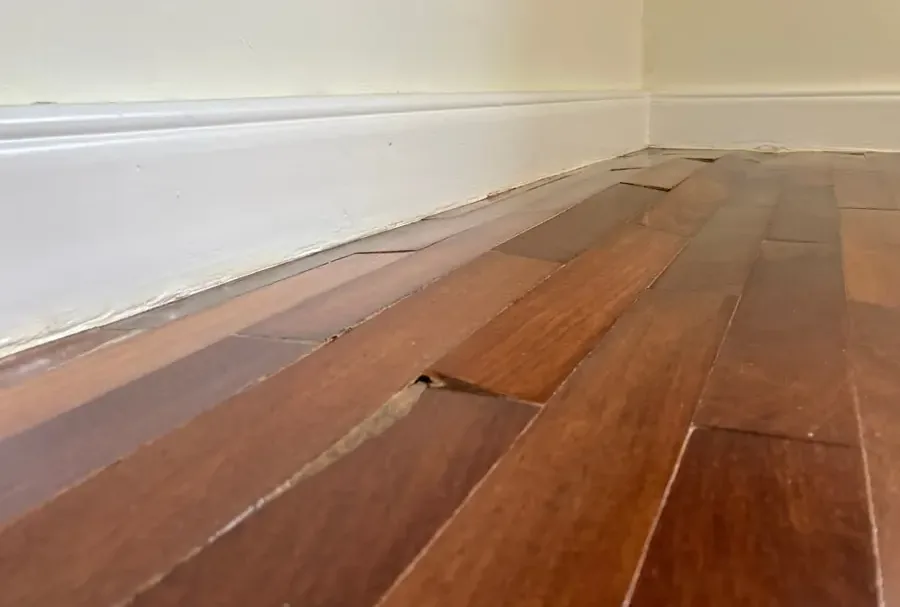
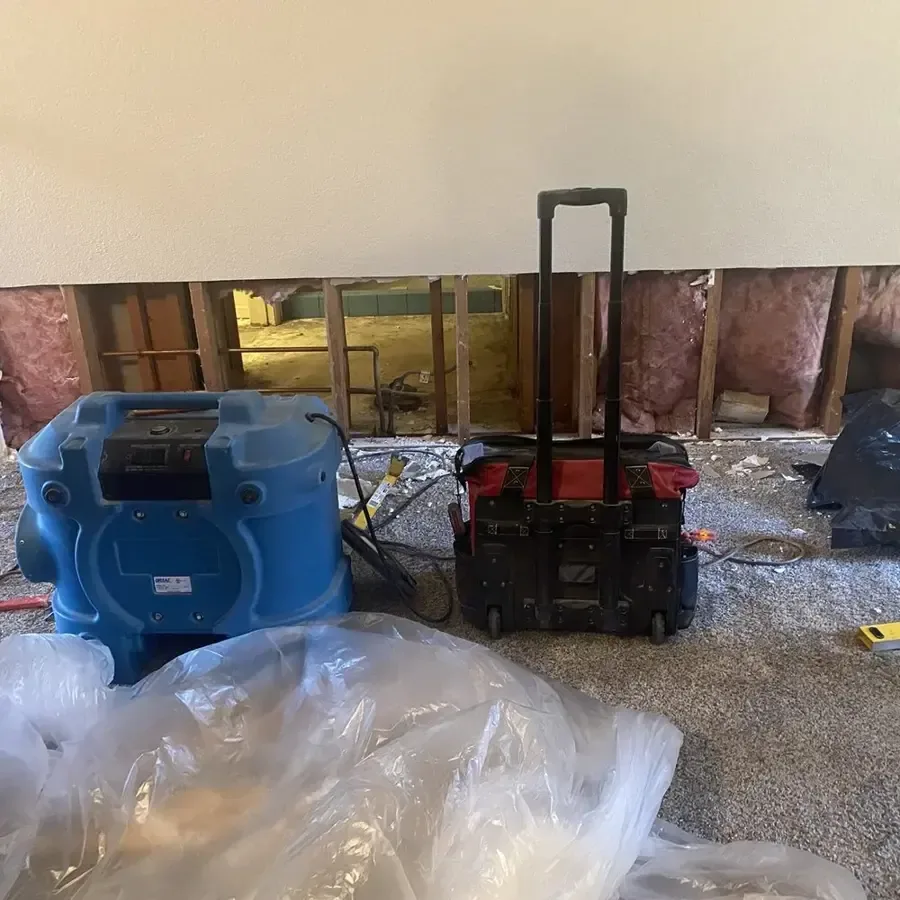
Follow the appliance leak under the finish
The restoration assessment separates appliance repair from the measured drying of cabinets, flooring and adjoining materials. 24/7 reporting is available.