Frozen Pipe Water Damage in Fountain, CO
A freeze can damage a pipe before the leak becomes visible during thawing. The restoration team follows the resulting discharge through the building after a plumbing professional establishes safe source control and repair.
(888) 532-8620Thawing pipe? Watch for water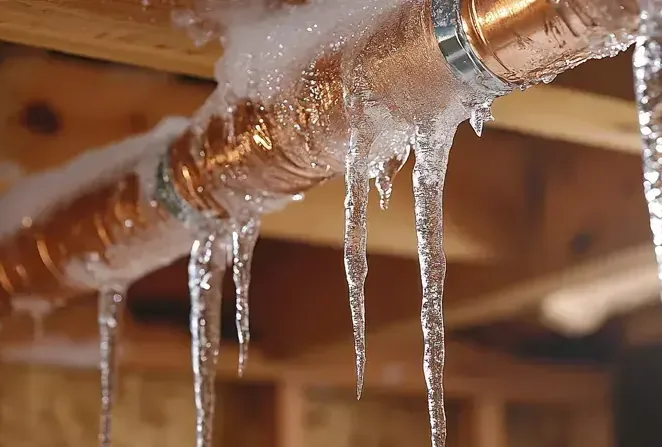
First steps for frozen pipe water damage
- Seek safe plumbing assessment
The household reports reduced flow or a suspected frozen section without applying an open flame or reaching electrical heating devices into a wet area.
- Watch for water as flow returns
Residents note new dripping or wet finishes from a safe position, recognizing that a split can release water during thawing rather than at the coldest moment.
- Keep the shutoff route clear
An accessible valve can help source control, but no one should cross energized water or unstable material to operate it during an active discharge.
- Report all cold-exposed areas
The property contact identifies unheated rooms and known pipe routes. The plumber checks connected sections for additional breaks, and the restoration assessor traces water into nearby walls and floors.
Restricted flow during cold weather is a reason for plumbing assessment, not an invitation to apply an open flame. When frozen water thaws, a damaged pipe can begin discharging inside a concealed space. The cleanup scope follows that water after the source is safely controlled rather than assuming the first wet spot marks the only affected area.
What does frozen pipe water damage cost in Fountain, CO?
Frozen pipe water damage restoration in Fountain commonly needs a planning range of $1,500 to $8,000. Concealed discharge, multiple wet cavities and access conditions affect cleanup; thawing, pipe repair and preventive plumbing work may be separate.
- Stopped water source
- Focused floor removal
- Initial cavity readings
- Insulation assessment
- Selective finish access
- Controlled drying conditions
- Multiple source checks
- Broader material removal
- Extended moisture monitoring
Water category, affected area, material class and delay before drying change the scope.
Source correction and reconstruction may require separate agreements. These planning ranges are not quotes. Compare the inputs in the water damage cost calculator.
How the frozen pipe water damage work progresses
The IICRC S500 drying standard ties equipment decisions to material measurements. The project record tracks the source, removal choices, daily conditions and the final moisture comparison.
- 01
Record the thaw conditions
The assessor notes the reported timing and plumbing findings, then maps where released water entered the structure rather than assuming all cold-exposed areas leaked.
- 02
Remove the discharged water
The crew extracts accessible water after source control and checks absorbent layers that can continue transferring moisture into surrounding framing and finishes.
- 03
Manage the drying environment
The drying team monitors temperature, humidity and material readings together, adjusting the setup for actual indoor conditions and the assembly exposed by removal.
- 04
Verify before replacing insulation
The final moisture comparison establishes the retained structure's condition before insulation and finishes return, with plumbing repair and prevention tasks documented separately.
Frozen pipe damage depends on exposure
El Paso County identifies the local jurisdiction, while Highway 16 and Duckwood Road help describe property access. The initial description should identify any known cold-exposed room and the status of its water supply. The technician checks the actual route, insulation and affected assembly at the property.
- Exterior-wall plumbing can hide discharge behind finishes before water reaches the room.
- An unheated space may contain more than one cold-exposed pipe section.
- A repaired split can leave insulation holding the water released during thawing.
- A plumbing professional investigates reduced pressure and distinguishes freezing from other supply problems.
Frozen pipe response without unsafe thawing
Residents should not use a torch or other open flame to thaw a pipe, and electrical heating devices must stay clear of water. Inaccessible plumbing, active leakage or uncertain shutoff conditions call for professional help. The Ready.gov winter weather information supports preparing for cold conditions and following safety instructions. A restoration contractor addresses the resulting wet materials after safe plumbing control; the household should not open a wall or enter a wet electrical area merely to locate the frozen section.
The loss record should include when water flow changed, when leakage appeared during thawing and where the plumber found the damaged section. Photographs of the opened area connect the pipe repair with the wet materials around it.
Drying the thaw discharge inside the structure
The extraction crew removes water from accessible floors, then the assessor checks insulation, wall bases and connected rooms. Cold ambient conditions can complicate equipment operation, so the drying team monitors the actual air and material readings instead of relying on outdoor temperature alone.
The EPA flooded-home cleanup information supports prompt attention to wet materials. The final file separates pipe repair from retained structural moisture and identifies any opened insulation or finish that still requires replacement. Preventive plumbing improvements belong in the repair discussion, while restoration completion depends on the measured assembly.
Frozen pipe water damage service area
Service extends through ZIP 80817 and the Duckwood Road, Highway 85 and Highway 16 approaches. The intake details identify the affected building, safe access and water source before the restoration team plans equipment and removal.
Frozen Pipe Water Damage questions in Fountain, CO
Can a pipe leak only after temperatures rise?
Yes. A damaged frozen section may release water as it thaws and flow returns. The household should report new wet areas without attempting unsafe access.
Does reduced pressure prove a frozen pipe?
No. Reduced flow can have other causes. A plumbing professional evaluates the source rather than relying on weather and pressure alone.
Should a torch thaw the pipe?
No. Open-flame thawing is unsafe. Inaccessible or leaking plumbing needs professional assessment, and electrical heating equipment must never contact water.
Why check insulation after the split is repaired?
Insulation can retain the discharge and keep surrounding materials wet. The restoration assessment identifies which layers can remain and which obstruct effective drying.
Does cold weather determine the drying duration?
Indoor temperature is one factor, but material type, retained moisture and equipment performance also matter. The actual readings establish progress.
What details help an urgent freeze-loss report?
24/7 intake benefits from the source status, affected rooms and any known cold-exposed pipe route. Electrical hazards or new water during thawing should also be mentioned.
Related restoration services
Check the structure after the pipe returns to service
The restoration team follows discharged water into retained materials and documents the dry-out, with 24/7 freeze damage intake.