Structural Drying in Fountain, CO
A comfortable room can still contain wet framing or subfloor. The drying team controls air conditions and tracks material moisture against dry references, adjusting the equipment until the affected assembly meets documented goals.
(888) 532-8620Wet structure? Check the readings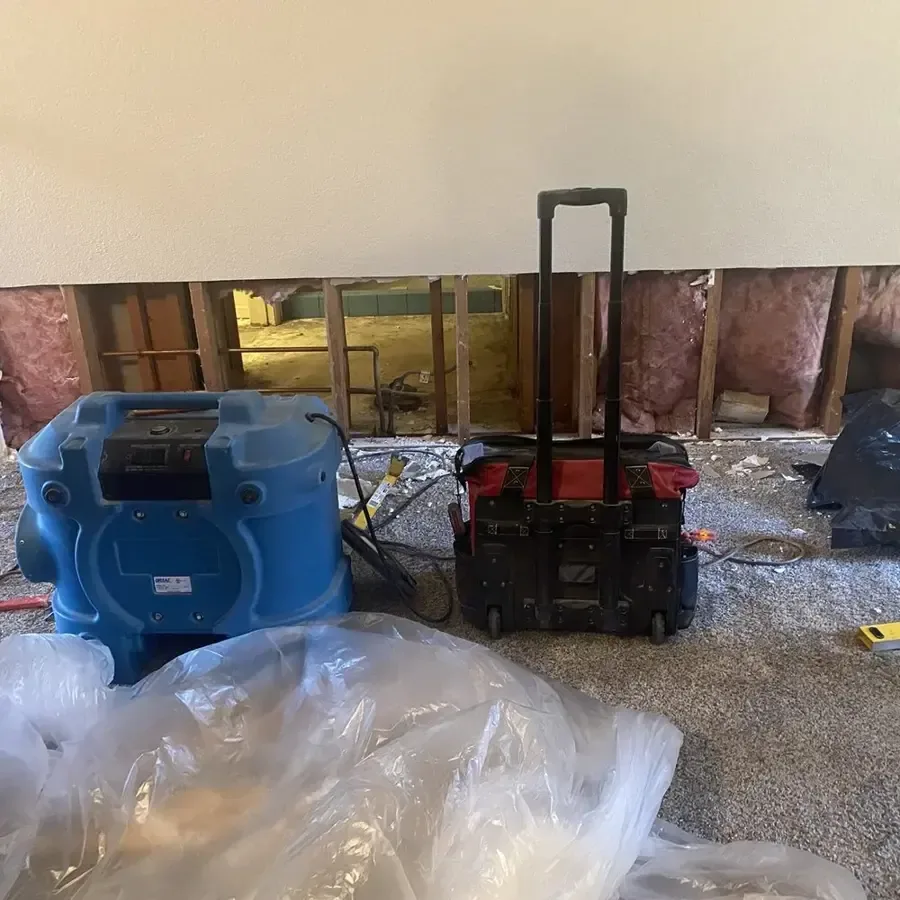
First steps for structural drying
- Confirm the water source has stopped
The property contact reports continuing leaks or new wet areas so the drying team does not mistake fresh water for slow evaporation from existing damage.
- Identify occupied and restricted rooms
Residents follow the work-area plan and keep children and pets away from equipment, hoses and exposed materials while the structure receives controlled drying.
- Preserve equipment settings
The household discusses noise or access concerns before moving machines, opening windows or disconnecting drainage that can change the measured room conditions.
- Keep the monitoring visits accessible
Repeat checks need access to marked material locations and equipment so the technician can compare progress consistently and investigate any stalled moisture trend.
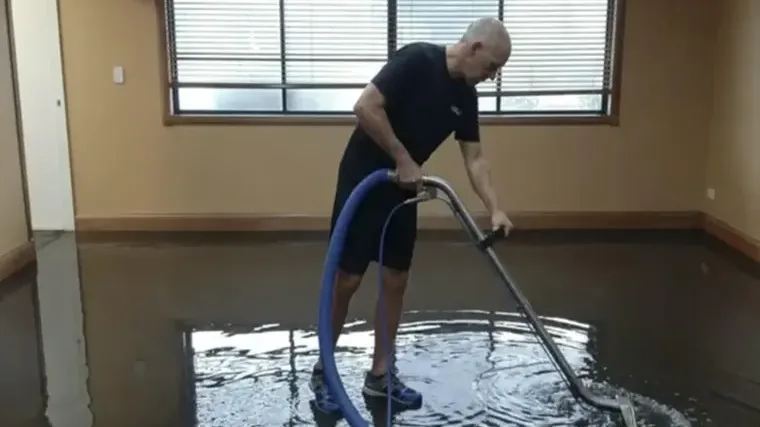
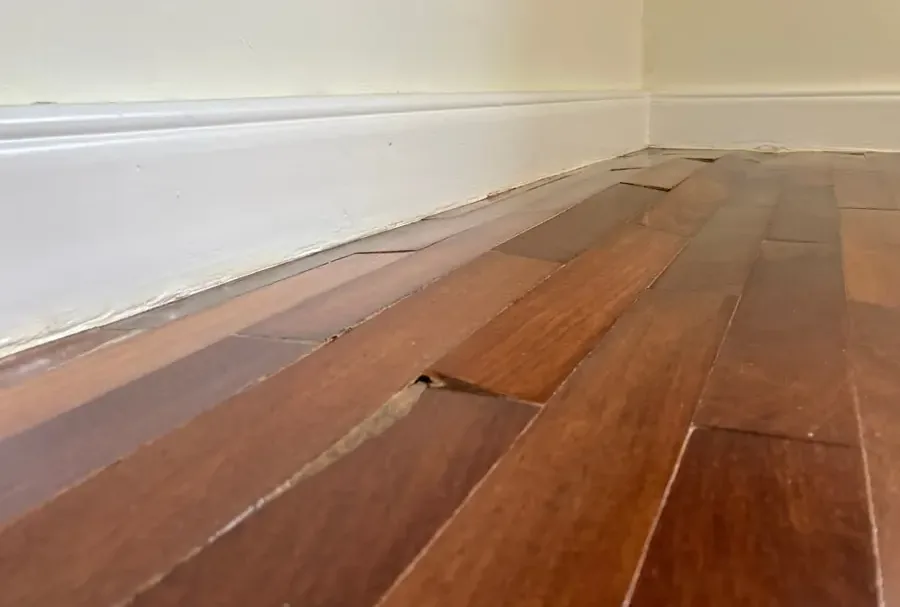
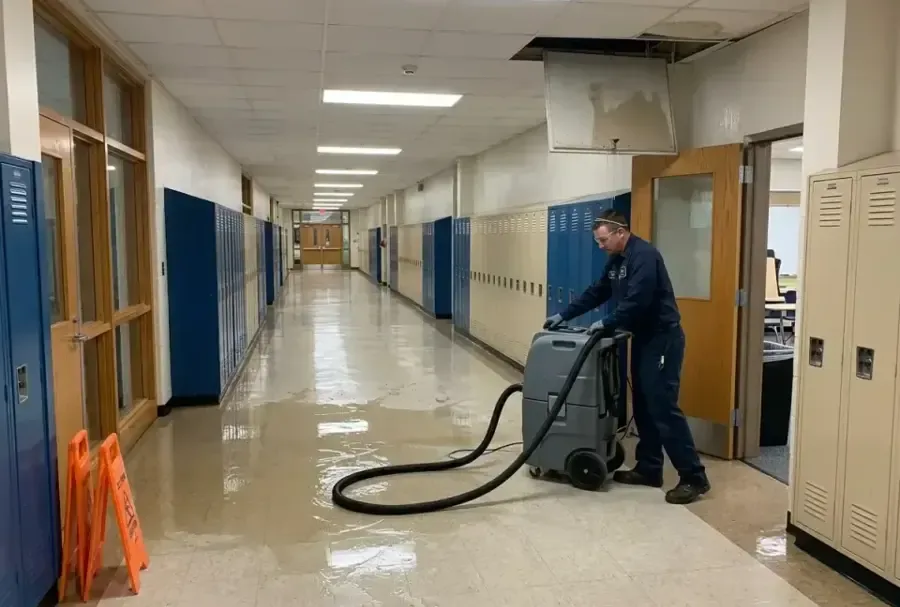
Extraction removes accessible water, but wood, wallboard and layered floors can retain moisture that needs a separate drying strategy. The technician identifies the affected assembly and establishes an appropriate comparison with dry material. That baseline gives daily readings meaning beyond whether a meter number rises or falls.
What does structural drying cost in Fountain, CO?
Structural drying in Fountain often needs a planning range of $1,000 to $6,000 after bulk water removal. Material class, affected area, access and the days needed to reach drying goals determine equipment and monitoring costs.
- Accessible wet materials
- Limited equipment count
- Repeat moisture readings
- Broader moisture mapping
- More air management
- Cavity access review
- Longer monitoring period
- Specialty drying assessment
- Detailed completion records
Water category, affected area, material class and delay before drying change the scope.
Source correction and reconstruction may require separate agreements. These planning ranges are not quotes. Compare the inputs in the water damage cost calculator.
How the structural drying work progresses
The IICRC S500 drying standard ties equipment decisions to material measurements. The project record tracks the source, removal choices, daily conditions and the final moisture comparison.
- 01
Set material goals
The technician identifies dry reference locations, maps the affected structure and records the water category and material class before deciding how the equipment should operate.
- 02
Balance air and moisture
The drying team combines air movement with dehumidification, monitoring temperature and humidity so evaporation from the materials does not simply accumulate inside the room.
- 03
Review the drying trend
Repeat readings at consistent locations reveal progress or hidden obstacles, prompting changes in equipment placement, access or removal when the existing setup is insufficient.
- 04
Verify before reconstruction
The contractor documents the final comparison and remaining repair conditions before equipment leaves and finish work conceals framing, wall cavities or the floor substrate.
Structural drying depends on the assembly
The local landscape includes Fountain Creek Regional Park, Willow Springs Ponds and Hanson Nature Park. A property contact can use those landmarks to orient access while describing the wet rooms and their materials. The drying plan comes from the wall, floor and framing materials actually present and the source that wet them.
- Dense or layered materials can release moisture more slowly than an exposed drywall edge.
- Closed cavities may need access before airflow reaches the retained wet layer.
- Temperature and relative humidity affect the air's ability to accept evaporated moisture.
- Contaminated porous materials require removal rather than a dry-in-place plan.
Structural drying begins after the right preparation
Equipment should not operate around unresolved electrical hazards or untreated sewage contamination. The contractor first establishes safe access, source control and the required removal or cleaning scope. Residents should not move air movers or switch off dehumidifiers without discussing the setup, because those changes can interrupt the measured process. The Ready.gov emergency planning information supports keeping occupants informed about safe rooms and contacts. Drying equipment manages moisture; it does not make unstable materials or contaminated surfaces safe by itself.
A room door, an open window or a disconnected drain hose can alter the drying conditions. The project record should identify those changes when interpreting a stalled moisture trend.
Reading progress before closing the structure
The drying team logs material moisture alongside temperature and humidity, checking the same locations over time. Air mover placement and dehumidifier capacity are adjusted when readings show an inaccessible layer or an evaporation load that the current setup cannot manage.
The EPA flooded-home cleanup information supports addressing wet building materials promptly. Final readings compare retained materials with the documented goal before reconstruction covers them. A calendar estimate helps planning, but equipment removal should follow evidence from the assembly rather than a preselected number of rental days or the room's surface appearance.
Structural drying service area
Service extends through ZIP 80817 and the Duckwood Road, Highway 85 and Highway 16 approaches. The intake details identify the affected building, safe access and water source before the restoration team plans equipment and removal.
Structural Drying questions in Fountain, CO
Does low room humidity prove the structure is dry?
No. Air conditions and material moisture are different measurements. Framing or a layered floor can remain wet after the room feels comfortable.
What does IICRC S500 mean here?
It describes the water damage restoration standard used to inform assessment and drying methods. The reference is a process description, not a claim of contractor certification.
Why do readings need repeat visits?
Consistent measurements show the drying trend and reveal areas that stall. The technician uses that information to adjust equipment or investigate inaccessible moisture.
Can windows stay open during drying?
Outdoor air can change the controlled conditions. The household should discuss ventilation with the drying team rather than assume an open window always speeds evaporation.
How is the completion day chosen?
Material goals and the observed drying trend control completion. A planning estimate cannot replace final readings from the affected assembly.
Is an urgent drying assessment available after hours?
24/7 intake supports reporting retained moisture and an active loss. The assessment determines whether source control, extraction or contamination work must happen before drying.
Related restoration services
Drying ends with evidence from the materials
The restoration record connects equipment decisions to the measured assembly, with 24/7 intake for urgent water damage assessment.