Colorado Springs Water Extraction
Water visible in a doorway may have already reached the next room beneath the flooring. Colorado Springs extraction starts by finding that wider footprint and arranging safe access for removal equipment.
(888) 532-8620Arrange floor water removal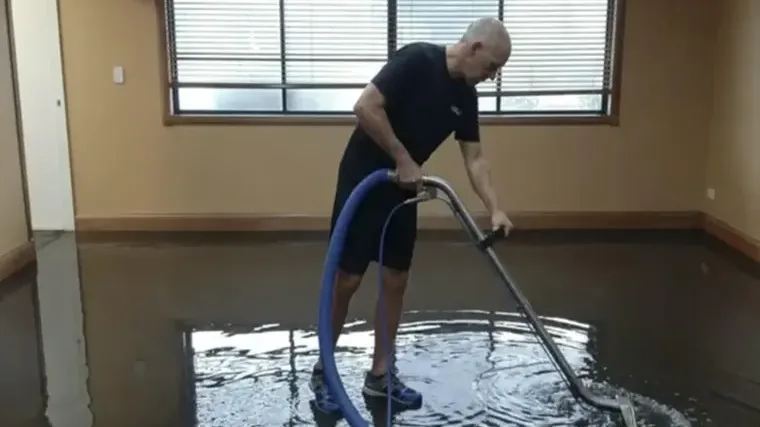
First steps for water extraction
- Keep the route dry
Occupants should avoid the wet room when electrical equipment, unstable finishes or questionable water make access unsafe. A dry approach helps prevent tracking water elsewhere.
- Identify continued inflow
The source needs attention before removal can hold its progress. An accessible shutoff or source repair may be needed while the wet area is assessed.
- Protect movable belongings
Dry items can be moved out of the work route. Wet contents need documentation and an appropriate staging area rather than placement on clean flooring.
- Explain where water traveled
A description of connected rooms, thresholds and floor coverings helps the assessment focus on areas where water may remain hidden beyond the visible puddle.
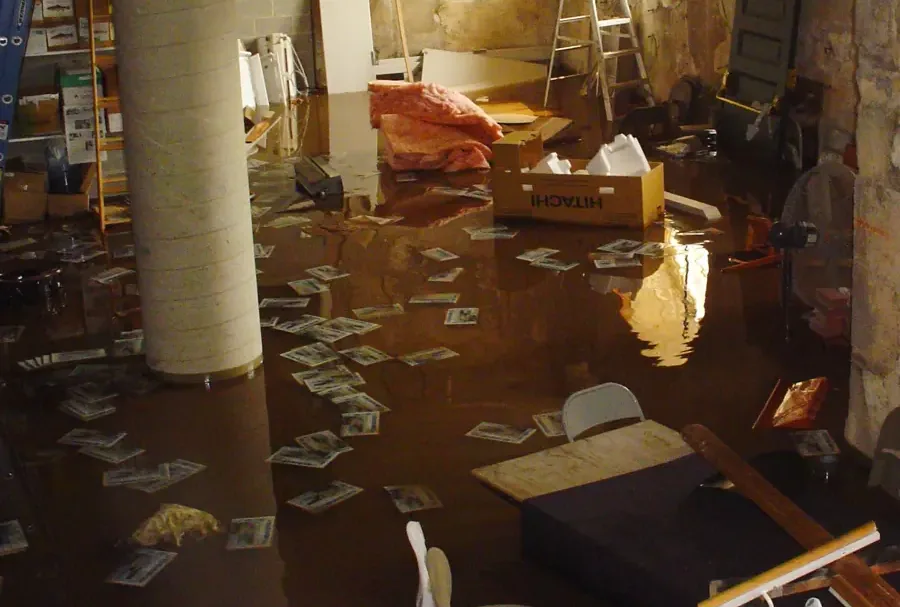
A pool of water is the visible part of the job. A raised threshold can hold water against the edge of a floor, while a nearby closet may collect it without showing a puddle outside. Extraction needs a route through the affected rooms that also protects the dry portions of the property.
What does water extraction cost in Colorado Springs, CO?
Colorado Springs extraction prices reflect the amount of water, access to trapped pockets and contamination. The assessment should explain which surfaces can be extracted directly and which materials need removal before drying can begin.
- Open floor access
- Small wet boundary
- Straightforward hose route
- Wet adjoining thresholds
- More contents handling
- Multiple extraction positions
- Restricted working access
- Contaminated material handling
- Concealed water pockets
Water category, affected area, material class and delay before drying change the scope.
Source correction and reconstruction may require separate agreements. These planning ranges are not quotes. Compare the inputs in the water damage cost calculator.
How the water extraction work progresses
The IICRC S500 drying standard ties equipment decisions to material measurements. The project record tracks the source, removal choices, daily conditions and the final moisture comparison.
- 01
Mark the wet footprint
Inspection records water condition and room connections, then checks materials beyond the puddle to establish where extraction and later access will be concentrated.
- 02
Collect accessible water
Removal equipment is arranged around safe power and a protected hose route. Repeated collection addresses water returning from seams or absorbent finishes.
- 03
Assess covered surfaces
Floor coverings and wall edges are evaluated for retained moisture. Selective removal may be needed when a finish prevents access to wet layers.
- 04
Plan the drying stage
Remaining moisture is documented by material and location. The drying arrangement follows those findings, with further checks determining whether the affected layers are progressing.
Follow the boundary before placing equipment
For a home in Knob Hill, the useful starting point is a room sketch showing where water appeared and which doors connect the wet spaces. The inspection can then compare the visible edge with readings at trim, flooring seams and adjoining wall bases. Furniture position may conceal additional exposure. Damp cabinet backs and recessed corners can require closer inspection before the extraction route is finalized.
- Accessible standing water can be collected without dragging hoses across unprotected dry finishes.
- Wet floor coverings need assessment of the padding or substrate beneath their surface.
- Items sitting in the water may need relocation before extraction reaches their footprint.
- Water near electrical components changes the entry plan before removal equipment is positioned.
Separate outdoor entry from a plumbing release
Colorado Springs lies on Fountain Creek, and cloudbursts along Monument Creek caused a fatal flood in 1935. Outdoor water entering a room brings a different cleanup question than an isolated supply leak. Sediment, drain involvement and contact with absorbent materials influence what can remain for drying. The inspection should identify the actual entry route and affected surfaces before deciding how the room will be cleaned.
Finish removal with a plan for hidden layers
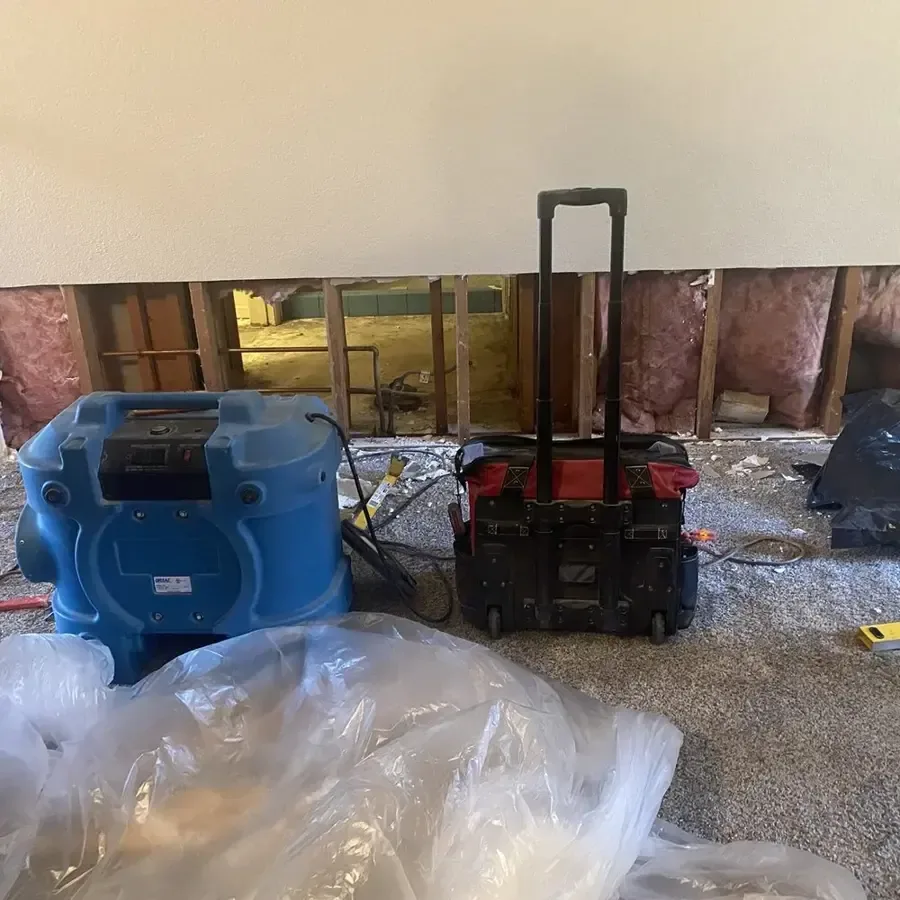
A wet floor near Cascade Avenue may need access under a finish even after the puddle disappears. The technician checks the subfloor beneath the wet finish as the standing water is removed. Readings and selective access help determine whether retained materials can dry effectively.
The removal record should identify rooms reached, materials removed and areas still holding moisture. Those details make the transition to structural drying easier to assess. Before equipment is removed, the owner should understand which wet assemblies remain under observation and what work follows.
Water extraction service area
Extraction planning for Ivywild, Skyway and East End considers the specific room layout and access route. The initial conversation can identify flooring, standing water and any obstacle between the entrance and affected space.
The same service nearby: water extraction in Fountain, Stratmoor, Manitou Springs.
Water damage restoration in Colorado Springs · every town covered
Water Extraction questions in Colorado Springs, CO
Is extraction the entire cleanup?
Removal handles accessible water. Cleaning, material assessment and drying may still be needed wherever moisture remains beneath finishes or inside surrounding building assemblies.
Can a household vacuum collect it?
Equipment suitability depends on water condition and electrical safety. A room with standing water should be assessed before any powered appliance is brought inside.
Why check the next room?
Water can pass beneath a threshold or floor finish. Checking connected spaces helps locate moisture beyond the edge that is visible from the doorway.
Does clear water mean clean materials?
Appearance cannot show every substance water has contacted. The source, travel path and affected contents determine how cleaning and material removal are approached.
What happens to wet carpet padding?
Its condition and the water exposure need evaluation. Removing a saturated layer may provide access to the floor beneath and improve the drying plan.
When can furniture return?
The affected flooring and furniture need assessment first. Placement should preserve drying access and avoid transferring retained moisture into surfaces that have already dried.
Make room for a measured recovery
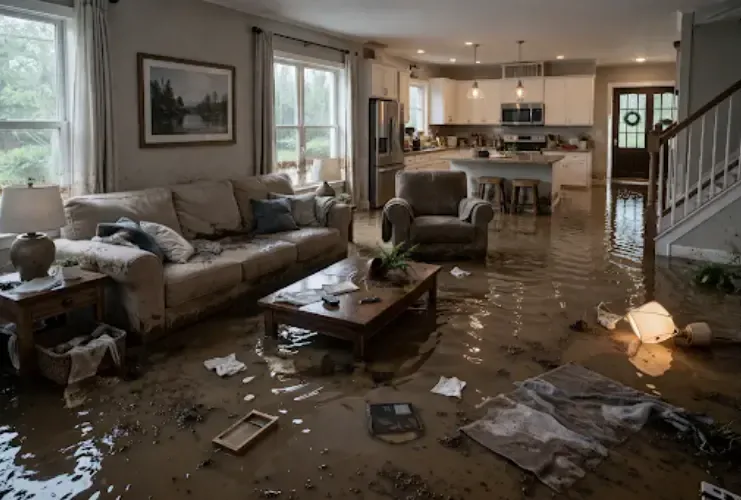
Standing water removal is the opening step toward assessing the concealed moisture left in floors, wall bases and connected rooms.