Colorado Springs Storm Flood Cleanup
Sediment across a doorway changes the cleanup priorities. Colorado Springs storm flood recovery assesses the outdoor entry route, contaminated surfaces and access restrictions before water removal and drying equipment reshape the affected rooms.
(888) 532-8620Discuss indoor stormwater cleanup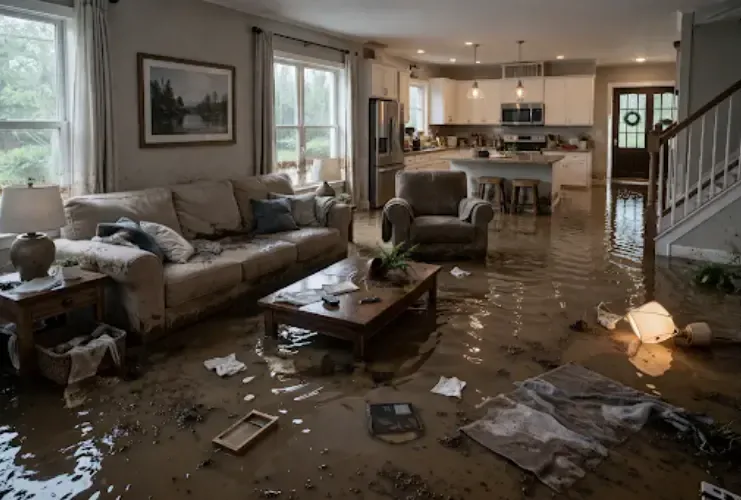
First steps for storm flood cleanup
- Keep people outside affected water
Outdoor water inside a building can conceal sharp debris, electrical hazards and contaminated surfaces. Occupants should remain in dry areas until entry conditions have been assessed.
- Describe the entry route
The initial discussion can identify a doorway, opening or lower-level area where water appeared. Safe observations help distinguish continued inflow from water already trapped indoors.
- Record contents before movement
Photographs from a protected location can show affected belongings and visible deposits. Items should remain separated by exposure while the cleanup and documentation plan is developed.
- Preserve a clean access path
Footwear, containers and hoses can carry residue beyond the wet room. A controlled route for workers and disposal helps protect unaffected spaces during the removal process.
Stormwater can leave a visible deposit while continuing beneath a floor covering. A room that looks clearer after pumping may still contain residues at wall edges, inside cabinets or among stored belongings. Recovery therefore needs a contamination and material plan alongside the practical task of removing the water.
What does storm flood cleanup cost in Colorado Springs, CO?
Colorado Springs storm flood cleanup ranges reflect contamination, material disposal and the extent of indoor spread. A written estimate should explain water removal, cleaning and structural drying rather than using floor area alone to describe the loss.
- Limited sediment spread
- Accessible wet surfaces
- Defined disposal route
- Multiple affected finishes
- Broader contents evaluation
- Expanded cleaning work
- Complex contamination boundary
- Large material removal
- Several drying zones
Water category, affected area, material class and delay before drying change the scope.
Source correction and reconstruction may require separate agreements. These planning ranges are not quotes. Compare the inputs in the water damage cost calculator.
How the storm flood cleanup work progresses
The IICRC S500 drying standard ties equipment decisions to material measurements. The project record tracks the source, removal choices, daily conditions and the final moisture comparison.
- 01
Assess entry and occupancy
The first assessment identifies how water entered, whether it continues arriving and which areas need separation. Electrical or structural concerns are addressed before routine cleanup access.
- 02
Extract and remove deposits
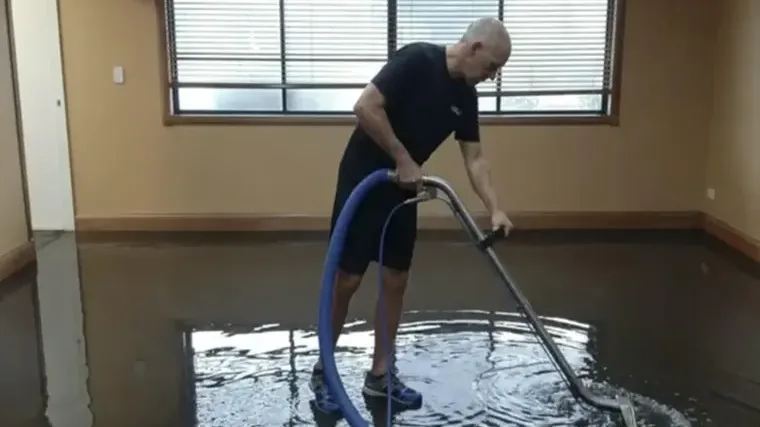
Standing water and sediment are handled through a controlled route. Affected porous materials are evaluated for removal so concealed surfaces can be reached and cleaned.
- 03
Clean the retained structure
Appropriate cleaning addresses the surfaces selected to remain. Work includes edges and recesses where residues can persist after open floor areas look visibly clear.
- 04
Monitor the drying phase
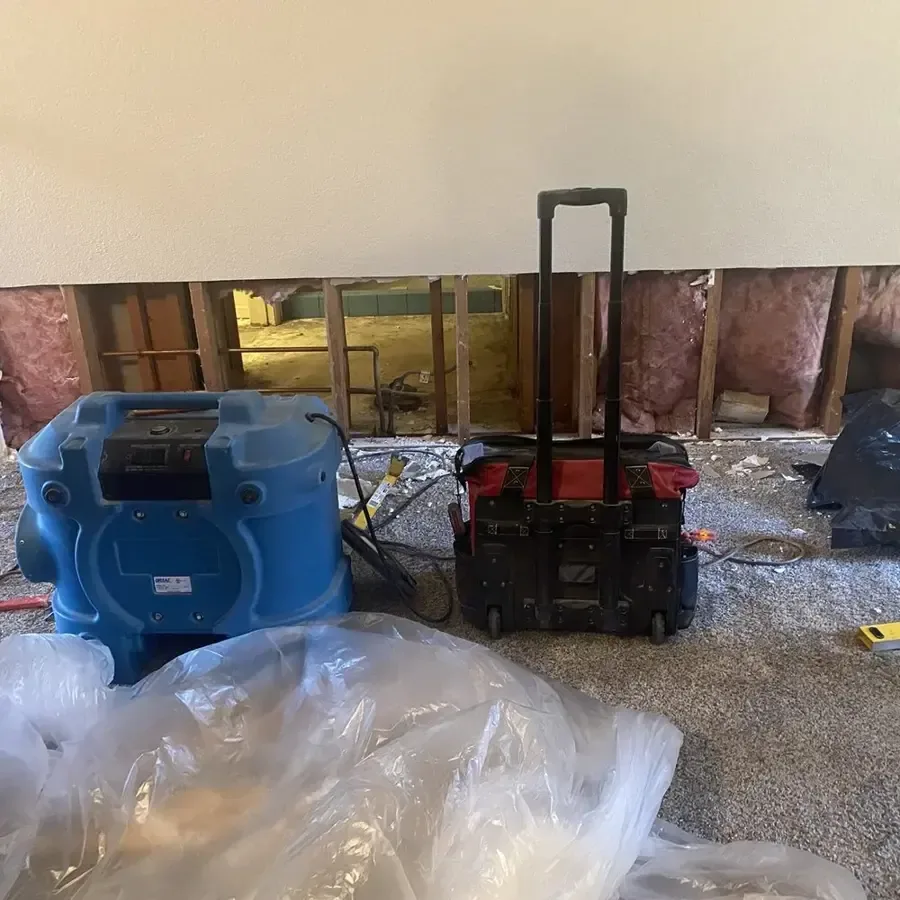
Equipment is arranged around the cleaned assembly and available access. Follow-up readings track retained moisture before reconstruction covers the materials that remain inside the building.
Consider the water path into the building
Cloudbursts along Monument Creek caused a fatal flood in Colorado Springs on May 30, 1935. The city also lies on Fountain Creek. For a property in Stratton Meadows, the present cleanup assessment starts at the actual opening where water entered and follows its route through the occupied space.
Keep residues from spreading into dry rooms
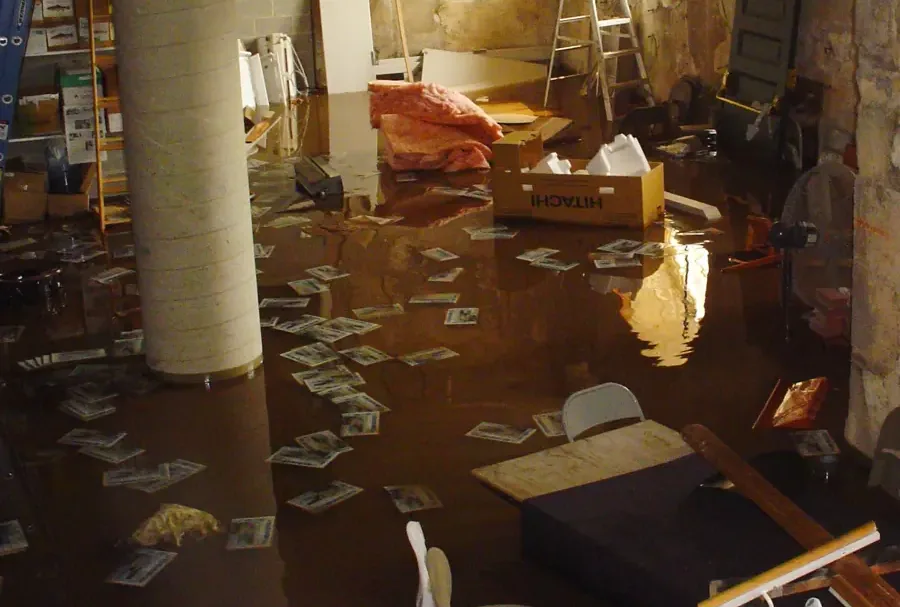
A wet rug, cardboard box or hose can carry sediment across an otherwise dry threshold. The work plan should establish a removal route and a place for evaluating affected belongings. Porous finishes that cannot be adequately cleaned need a disposal decision, while suitable retained surfaces need cleaning before airflow is directed through the room.
- Photographs can record the water boundary and sediment deposits before the room is cleared.
- Cabinet interiors and floor edges may need access even after open areas are extracted.
- Stored belongings should be assessed without mixing contaminated items with unaffected possessions.
- Electrical and structural concerns take priority over retrieving contents from standing outdoor water.
Build the drying plan around cleaned materials
Brief afternoon thunderstorms are common in July and August. Continued weather exposure should be addressed as part of source control so cleaned areas are protected against renewed entry. Temporary access arrangements must also keep occupants outside the affected work zone.
Once removal and cleaning are complete, retained materials can be evaluated for drying. Dense or covered layers may require additional access. The closing record should connect the entry route, removed finishes and remaining wet assemblies, including any lower space needing basement water removal. That record makes the next repair decisions easier to understand.
Storm flood cleanup service area
Stormwater assessments for Knob Hill, Cheyenne Canon and Ivywild consider the observed entry route at each property. The condition of rooms, contents and access paths determines how removal and cleaning can proceed safely.
The same service nearby: storm flood cleanup in Fountain, Stratmoor, Manitou Springs.
Water damage restoration in Colorado Springs · every town covered
Storm Flood Cleanup questions in Colorado Springs, CO
Can occupants walk through shallow floodwater?
Even shallow water may conceal electrical hazards or debris. Entry needs assessment, and occupants should use unaffected spaces while the cleanup route is established.
Why remove sediment before drying?
Residue remains after liquid is gone and can contaminate retained surfaces. Cleaning prepares the work area before equipment circulates air through the affected rooms.
Can flooded rugs be moved upstairs?
Affected items need evaluation and controlled handling. Moving them through dry rooms without a plan can spread water and sediment onto previously unaffected surfaces.
Does every wall need opening?
The water path, material condition and contamination determine access. Inspection identifies where concealed wet layers or residues require removal beyond the visible room surfaces.
Will ordinary fans finish the job?
Airflow alone does not address sediment or hidden wet assemblies. Equipment selection follows removal, cleaning and assessment of the materials retained for drying.
What records support the repair discussion?
Entry photographs, contents notes and the cleanup scope help explain the loss. Drying records then document the condition of materials before replacement finishes are installed.
Recover the room beyond the visible deposits
Removal and cleaning prepare the retained structure for monitored drying, with the next repair decisions based on the materials actually affected.