Manitou Springs Storm Flood Cleanup
Floodwater leaves more than a wet floor behind. Storm cleanup in Manitou Springs addresses deposited mud, contaminated surfaces and trapped moisture while safe access and the condition of affected materials determine the sequence.
(888) 532-8620Discuss muddy indoor flooding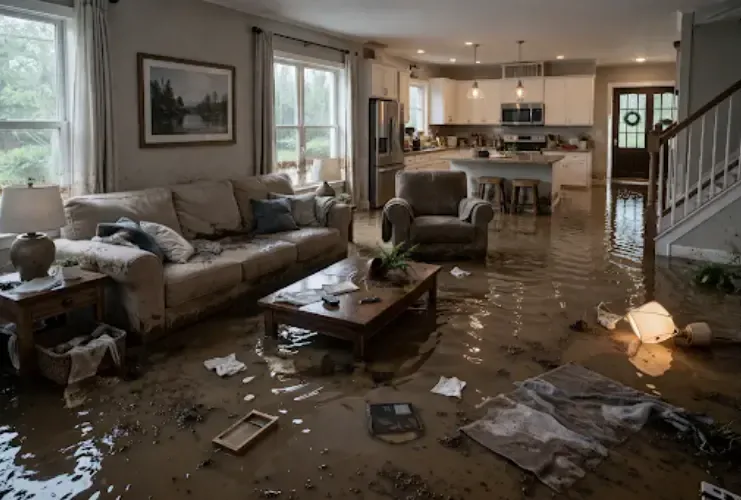
First steps for storm flood cleanup
- Respect access restrictions around the property
A clear doorway does not mean the whole approach is safe. Flood damage to surfaces, utilities or nearby access routes can delay ordinary entry.
- Keep flood contacted items separate
Dry belongings should stay out of the work area. Mark or photograph affected contents without carrying muddy items through rooms that remained untouched by water.
- Describe mud and water depth
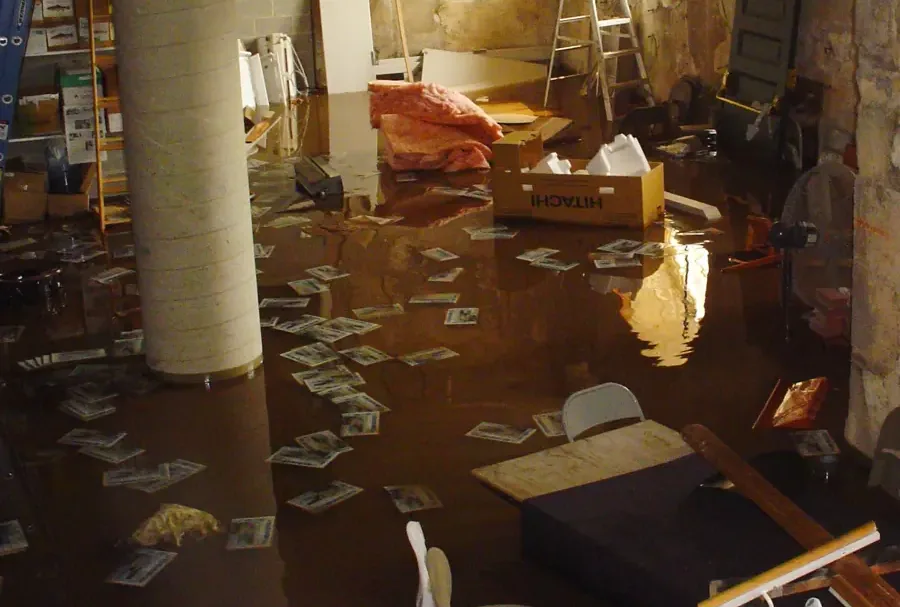
The cleanup assessment needs the visible depth, deposited debris and rooms reached by water, including lower spaces where liquid may have collected after entry.
- Hold off on household airflow
Fans should not be the first response to a dirty flood loss. Contamination control and removal decisions come before directing air across affected materials.
The July 2013 flood destroyed buildings and damaged others at the north end of Canon Avenue. Residents on Canon Avenue and Park Avenue were asked to evacuate, and mud coated streets. A property affected by outside water needs a cleanup sequence that accounts for what entered with the flood as well as the amount of liquid remaining.
What does storm flood cleanup cost in Manitou Springs, CO?
Storm flood cleanup costs in Manitou Springs reflect contaminated surfaces, debris and the building layers reached by water. The ranges below describe increasing cleanup complexity; exterior repairs and replacement construction need their own clearly identified scope.
- Localized sediment deposits
- Limited affected finishes
- Accessible extraction area
- Broader surface cleaning
- Porous material decisions
- Connected drying spaces
- Complex debris handling
- Large exposed assemblies
- Multiple access concerns
Water category, affected area, material class and delay before drying change the scope.
Source correction and reconstruction may require separate agreements. These planning ranges are not quotes. Compare the inputs in the water damage cost calculator.
How the storm flood cleanup work progresses
The IICRC S500 drying standard ties equipment decisions to material measurements. The project record tracks the source, removal choices, daily conditions and the final moisture comparison.
- 01
Establish the safe work boundary
The assessment considers the approach, utilities and contaminated rooms before equipment enters, with untouched areas separated from routes used for debris and water removal.
- 02
Clear liquid and deposited debris
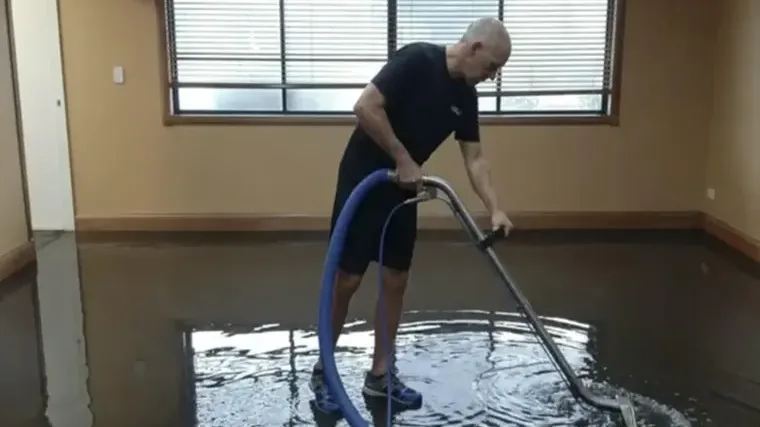
Extraction and controlled removal expose the affected surfaces, allowing the condition of floor layers, contents and wall bases to be documented after floodwater recedes.
- 03
Clean and evaluate remaining materials
Retained surfaces receive appropriate treatment while damaged or unsuitable porous items are identified for removal, creating an accessible assembly for the following drying stage.
- 04
Measure recovery before rebuilding rooms
Repeat moisture checks show the response of retained structure, and the final scope records additional repairs needed before replacement finishes or contents return to use.
Access can be damaged outside the doorway
On July 23, 2018, flooding washed out the Ruxton Creek culvert beneath Manitou Avenue. A resulting sinkhole closed the road. For a building cleanup, the approach and utilities need assessment before equipment or occupants enter. Standing water, unstable surfaces and debris can make the route to the room part of the assessment.
- Keep people outside flooded rooms until electrical and structural access concerns are addressed.
- Record sediment deposits and water marks from a safe position before cleaning alters them.
- Separate untouched belongings from items that contacted floodwater or muddy surfaces during the event.
- Avoid spreading dirty water through dry rooms while moving equipment or damaged household contents.
Remove deposited material before relying on airflow
Mud can settle beneath furniture and inside wall openings as the water recedes. Extraction clears accessible liquid, but cleaning must also reach affected surfaces. Porous layers that cannot be effectively treated may require removal. Air movement belongs within that controlled sequence so the work does not distribute debris through otherwise unaffected spaces.
Photographs of contents and exposed layers help explain why particular items need disposal, treatment or further assessment.
Dry what is suitable to retain
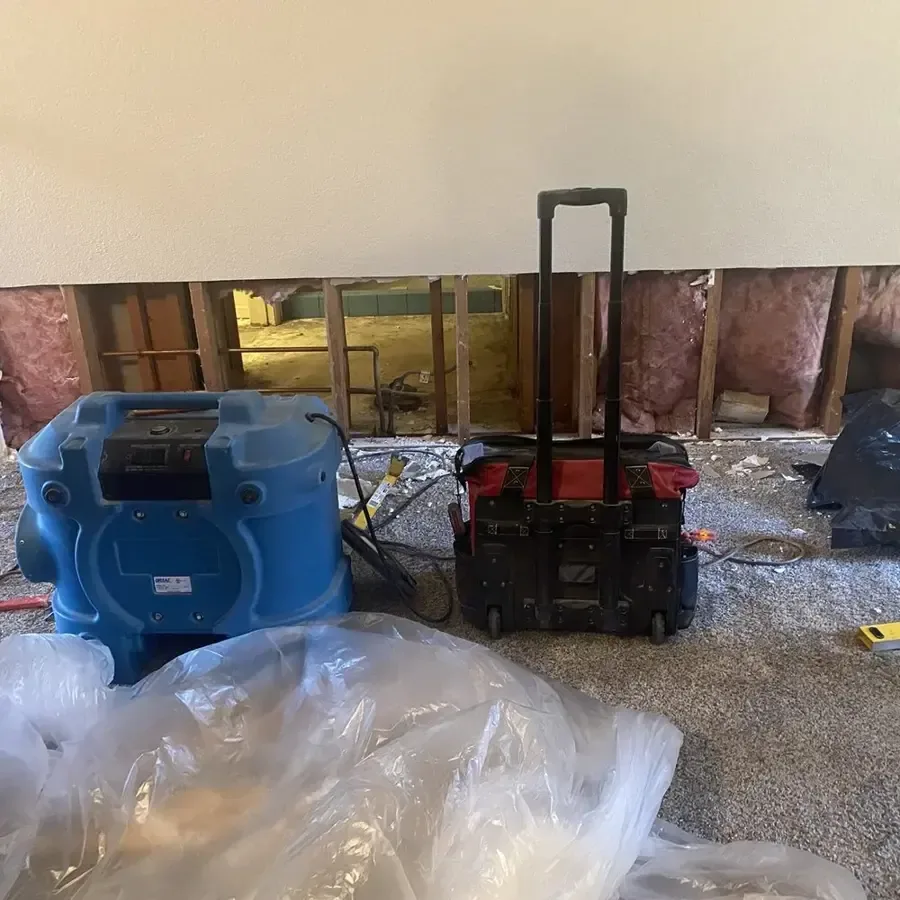
The remaining structure needs moisture checks after cleaning. A flooded room can contain different materials with different drying behavior, so a single dry surface reading cannot describe every wall or floor layer. Equipment placement follows those individual conditions.
Rebuilding begins after retained materials have been assessed and the scope identifies remaining repairs. Outside drainage or entry repairs may also need attention. The restoration record should distinguish that source work from indoor cleanup and finish replacement.
Storm flood cleanup service area
Storm cleanup planning for Manitou Springs includes properties along Canon Avenue, Park Avenue and the downtown corridors. Current access, water condition and the affected building levels determine how an individual flood loss is approached.
The same service nearby: storm flood cleanup in Fountain, Colorado Springs, Stratmoor.
Water damage restoration in Manitou Springs · every town covered
Storm Flood Cleanup questions in Manitou Springs, CO
Should dried mud simply be swept away?
Flood residue needs controlled handling. Dry sweeping can distribute material through the room, so the cleaning method should reflect contamination and the surfaces involved.
Can a flooded carpet remain?
Its exposure and ability to be treated determine that decision. Dirty floodwater can affect backing and padding beyond what surface cleaning can reach effectively.
Is outside water handled like a tap spill?
No. Outdoor water can bring soil and contaminants into the room. Material removal and cleaning decisions must account for that contact before structural drying proceeds.
What if the street is still blocked?
Safe access takes priority. The response plan needs to account for current restrictions and hazards before equipment is moved toward the affected building entrance.
Are contents documented before disposal?
Affected items should be photographed and described when safe. A record of condition supports repair and claim discussions before damaged belongings leave the property.
Does pumping finish storm restoration?
Pumping removes accessible liquid. Deposited material, contaminated surfaces and moisture retained in building layers still require evaluation, cleaning and a suitable drying plan.
Recover the room after outside water
Plan removal and cleaning before drying so retained materials receive the attention needed before the building is repaired and occupied normally.