Manitou Springs Structural Drying
A room can look ready while framing or floor layers remain damp. Structural drying in Manitou Springs uses material measurements, controlled air movement and moisture removal to track the condition of the retained building assembly.
(888) 532-8620Discuss retained material moisture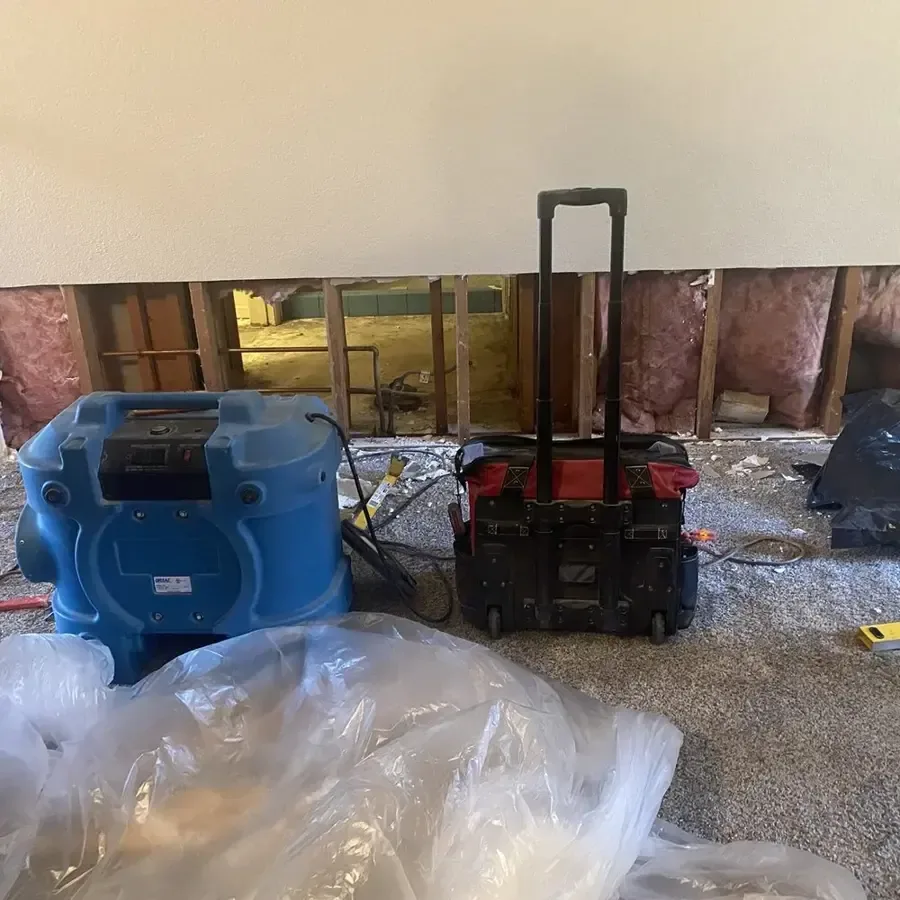
First steps for structural drying
- Identify the rooms and materials involved
Describe wet walls, flooring and overhead surfaces along with the original source. The drying assessment needs a picture of the structure beyond the removed puddle.
- Keep cleaning and drying in sequence
Flood or sewage contact can require treatment and removal before airflow begins. Share the water condition so the equipment plan follows the necessary preparation of surfaces.
- Maintain access to monitoring points
Avoid stacking contents against opened walls or moving equipment without coordination. Clear access allows later readings to describe changes in the same affected material locations.
- Report signs of renewed water entry
A fresh drip, growing stain or returning puddle can interrupt drying. The source needs assessment if new water continues entering a structure already under treatment.
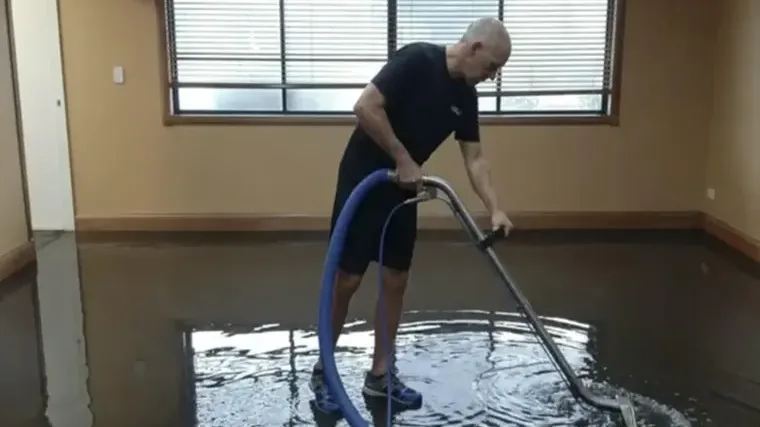
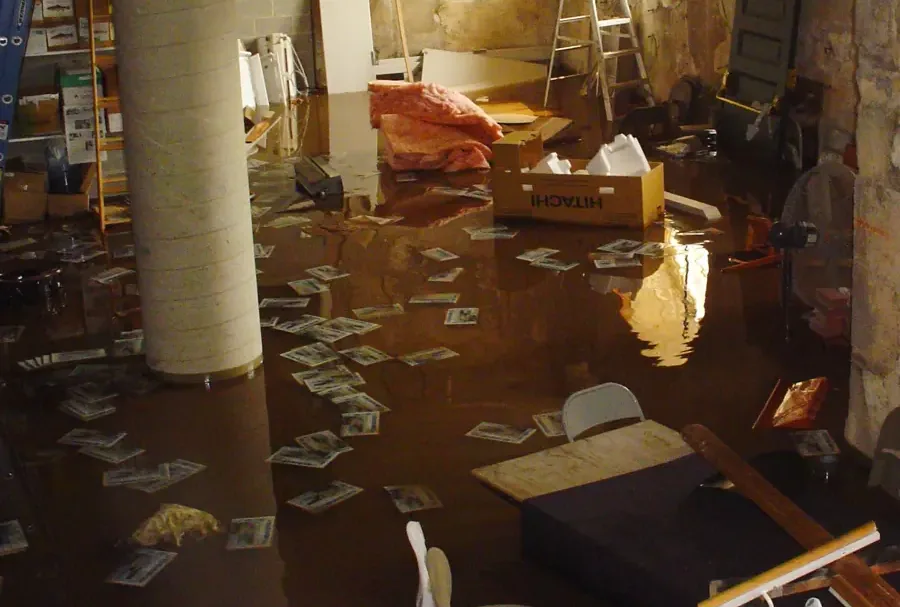
A September 22, 2013 report described cleanup inside a creekside building basement in Manitou Springs. Water removal opens access to such a space, but the remaining structure may hold moisture in wall bases, framing and floor layers. Drying is the separate stage that addresses those retained materials before repairs conceal them again.
What does structural drying cost in Manitou Springs, CO?
Structural drying costs in Manitou Springs depend on the materials retained, access restrictions and monitored equipment needs. These ranges describe drying scopes; extraction, contamination treatment and replacement construction should be distinguished where they are also required at the property.
- Limited retained materials
- Accessible measurement points
- Compact equipment placement
- Adjoining wet assemblies
- Several monitoring locations
- Expanded moisture control
- Restricted evaporation paths
- Selective access needs
- Complex material response
Water category, affected area, material class and delay before drying change the scope.
Source correction and reconstruction may require separate agreements. These planning ranges are not quotes. Compare the inputs in the water damage cost calculator.
How the structural drying work progresses
The IICRC S500 drying standard ties equipment decisions to material measurements. The project record tracks the source, removal choices, daily conditions and the final moisture comparison.
- 01
Record the initial material conditions
Inspection establishes moisture locations and identifies the materials expected to remain, creating a starting point for decisions about access, equipment and the sequence of treatment.
- 02
Arrange evaporation and moisture removal
Air movement and dehumidification are positioned to serve the actual wet surfaces, while barriers to drying receive attention rather than being left behind an intact finish.
- 03
Compare readings and adjust the plan
Repeat measurements show changes within the assembly and help identify slow sections, continued entry or equipment arrangements that need revision to reach the remaining moisture.
- 04
Document readiness for the next trade
The closing assessment records retained material conditions and any unresolved repair need, allowing replacement finishes to be planned around the state of the dried building assembly.
Define what the equipment needs to dry
A useful drying plan names the affected materials and their accessible surfaces. Room humidity alone cannot describe moisture inside a layered assembly. Measurements at meaningful locations create a starting record, and comparison areas help interpret progress. If insulation or a finish prevents evaporation, the access problem needs attention alongside the equipment arrangement.
- Identify retained materials separately from items selected for removal because of damage or contamination.
- Record measurement locations so later checks can follow the same affected surfaces consistently.
- Keep equipment pathways and drying openings clear of stored belongings during the monitored work.
- Investigate slow progress instead of assuming more airflow will solve an inaccessible wet layer.
Access shapes the plan in each building
The Ruxton Creek culvert runs beneath Manitou Avenue, and local parks along that avenue include Memorial Park. These landmarks help identify properties when arranging an assessment. Inside the building, however, the drying layout follows the wet assembly: the affected wall, floor or overhead space and the available route for moisture to leave it.
Contaminated losses require cleaning and material decisions before drying begins. That preparation prevents a moisture plan from overlooking the treatment needed on flood or sewage contacted surfaces.
Use trends to decide the next adjustment
Repeated readings show whether retained materials are responding. Slow or uneven change may point to trapped water, restricted access or continued entry. The response should address that cause, with equipment changes and any additional opening explained in relation to the affected layer.
Drying finishes with a assessment of the materials intended to remain. The record should show their condition and identify any repair requirements before new finishes arrive. A quieter room after equipment removal is not the measure of completion; the retained structure must be ready for the next stage.
Structural drying service area
Structural drying assessments in Manitou Springs serve wet building assemblies around Manitou Avenue, Crystal Hills and downtown. Access to retained framing, floor layers and ceiling spaces determines the monitoring and equipment plan for each property.
The same service nearby: structural drying in Fountain, Colorado Springs, Stratmoor.
Water damage restoration in Manitou Springs · every town covered
Structural Drying questions in Manitou Springs, CO
Is dry room air enough to finish?
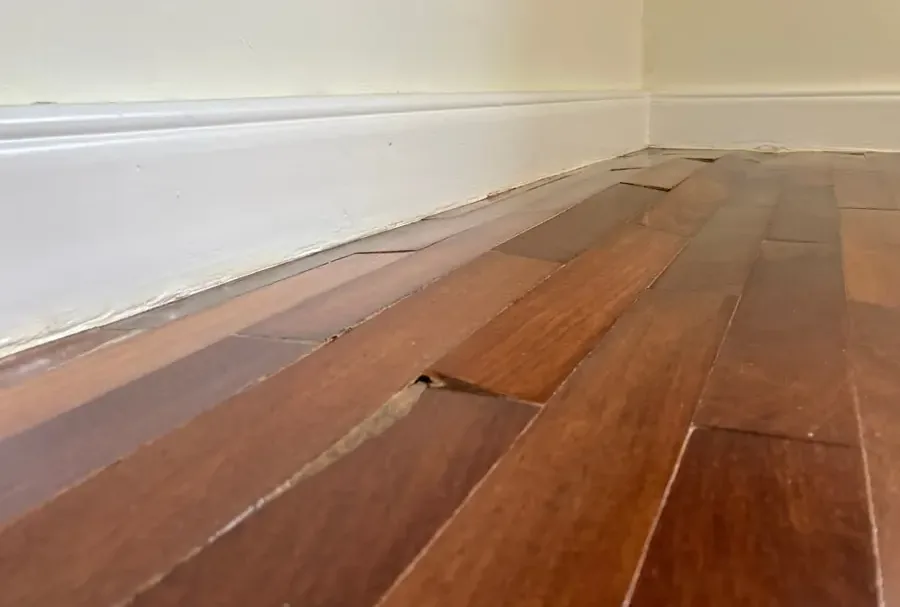
No. Air conditions support drying, but material measurements describe the affected structure. A concealed layer can remain damp after the room feels comfortable again.
Why are measurements repeated?
Trends show whether materials are responding and where moisture remains. Consistent checks help determine whether equipment or access needs adjustment before repairs cover the assembly.
Can occupants move the equipment?
Equipment placement serves a particular drying plan. Changes should be coordinated so airflow, drainage and monitoring access remain suitable for the materials still being treated.
Does every wall need an opening?
Access depends on the assembly and moisture location. Some materials can dry in place, while others require selective opening to reach trapped water effectively.
What can slow the drying process?
Continued leakage, dense materials and restricted evaporation can interfere with progress. The assessment should investigate the specific cause rather than rely only on surface appearance.
When can finishing work begin?
Finishes follow suitable conditions in the retained assembly and any necessary repairs. The material record helps determine readiness for the product and work being planned.
Prepare the structure for its next finish
Arrange monitored drying that follows material conditions and explains any access changes needed before walls, floors or ceilings are covered again.