Manitou Springs Basement Water Removal
Water in a basement can surround stored belongings and hide hazards below the surface. Basement removal in Manitou Springs begins with safe access and source assessment, then follows the water into lower wall and floor assemblies.
(888) 532-8620Discuss water in the basement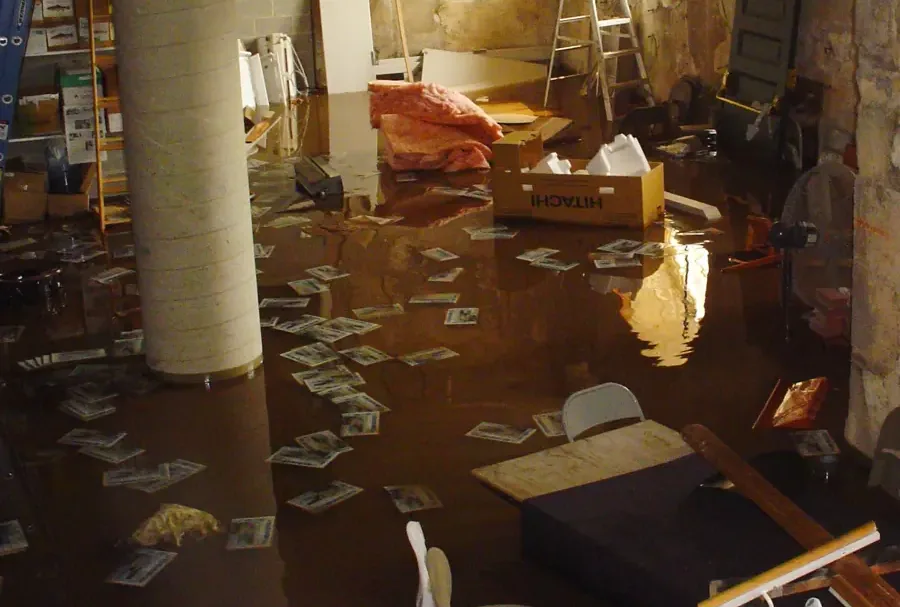
First steps for basement water removal
- Stay above unsafe standing water
Do not descend through water to inspect electrical equipment or retrieve storage. Safe access must be established before ordinary entry into the affected lower room can resume.
- Describe changes in the water level
A rising level or returning pool suggests continued entry. Share those observations along with the suspected source so removal planning addresses more than the current collected water.
- Keep storage handling organized
Photograph reachable affected belongings without entering hazards. When movement becomes safe, separate wet items from dry upstairs contents and preserve a record of their original condition.
- Include finished walls in the assessment
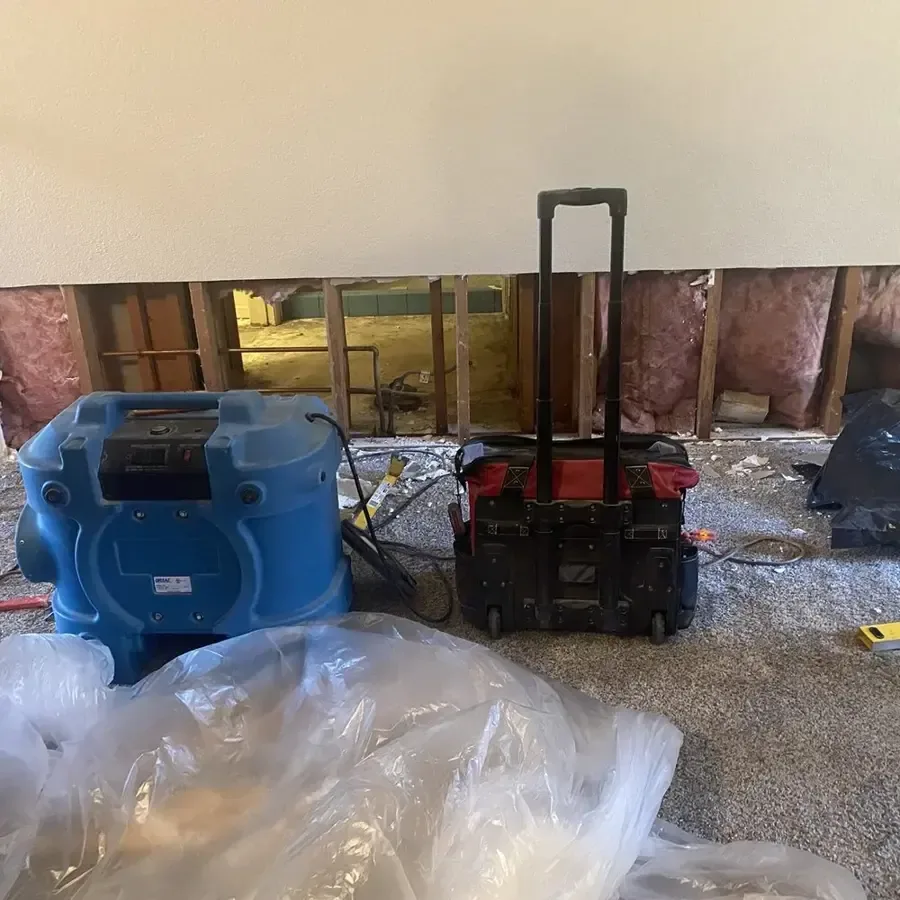
A cleared floor can leave damp wall bases and enclosed layers. Mention paneling, cabinets and floor coverings so inspection reaches materials that hide moisture after extraction.
A September 22, 2013 report described flood cleanup in a creekside building basement in Manitou Springs. That lower room setting calls for more than a pump at the bottom of the stairs. Access, water condition and the materials below the water surface all need attention before routine entry or contents handling can begin.
What does basement water removal cost in Manitou Springs, CO?
Basement water removal costs in Manitou Springs depend on depth, contamination and access to the lower level. These ranges describe cleanup complexity; source corrections, replacement finishes and extensive contents work should be clearly identified when the estimate is prepared.
- Reachable shallow collection
- Limited storage contact
- Focused lower edges
- Wet wall coverings
- Affected floor layers
- Selective cavity inspection
- Restricted basement entry
- Complex contents handling
- Broader surface treatment
Water category, affected area, material class and delay before drying change the scope.
Source correction and reconstruction may require separate agreements. These planning ranges are not quotes. Compare the inputs in the water damage cost calculator.
How the basement water removal work progresses
The IICRC S500 drying standard ties equipment decisions to material measurements. The project record tracks the source, removal choices, daily conditions and the final moisture comparison.
- 01
Establish safe access and entry conditions
The assessment considers stairs, utilities, water depth and continued inflow before selecting a removal approach suitable for the lower room and structural concerns.
- 02
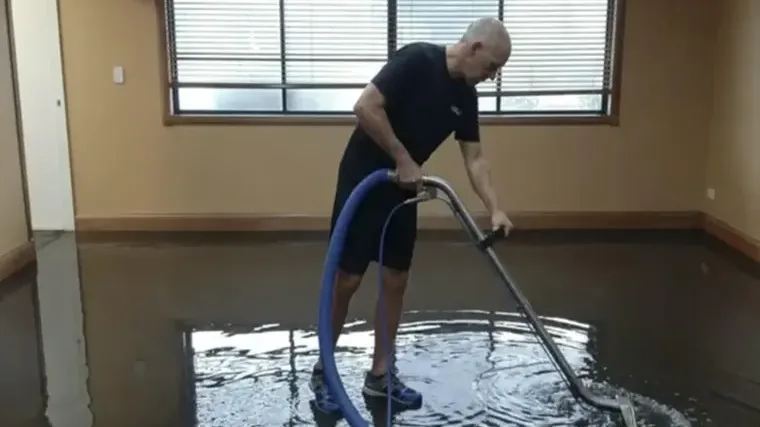
Remove collected water and assess storage
Extraction creates access to affected surfaces, while contents are documented and separated according to water contact so handling does not bring contamination into dry rooms upstairs.
- 03
Inspect lower walls and concealed floor layers
The newly exposed basement receives checks at finishes and cavities, with cleaning and removal decisions based on contamination, deterioration and the ability to reach retained materials.
- 04
Dry the remaining lower level assembly
Equipment and monitoring address absorbed moisture after cleaning, and the closing record identifies conditions supporting repairs along with any unresolved source or construction task requiring attention.
Assess the route into the lower room
Standing water can conceal steps, debris and electrical contact. The inspection should establish whether the stairway and work area can be reached safely, then identify active entry and the appropriate removal method. Deep water or structural concerns require an assessment before an improvised pumping attempt changes conditions around the building.
- Keep occupants out of the basement when water may contact electrical equipment or hidden wiring.
- Describe whether the level is rising, stable or returning after earlier water removal attempts.
- Photograph visible water depth and affected storage from a safe point above the flooded area.
- Include wall coverings and built in furnishings that may conceal absorbed moisture after the floor clears.
Creek events and indoor sources need different treatment
Rainbow Falls is on Fountain Creek. Flooding also washed out the Ruxton Creek culvert beneath Manitou Avenue in 2018. For a wet basement, the source assessment determines whether outside water, an indoor supply failure or a drain problem reached the room. That distinction affects cleaning precautions and decisions about porous storage, wall finishes and flooring.
Moving boxes before documenting their condition can hide the original water contact. A controlled contents plan keeps affected items separate from dry belongings upstairs.
Check the lower wall after the water drops
Wall bases, floor edges and enclosed cavities may stay wet once pumping ends. Finished surfaces can prevent direct access to the retained structure. Selective removal may be needed to assess those layers and allow drying, with each decision tied to condition and contamination rather than the height of the visible stain alone.
The final assessment should describe the cleared water, treated surfaces and remaining material moisture. Source repairs and replacement finishes may continue as separate work. Stored belongings return after the room and its retained materials are ready to support ordinary use again.
Basement water removal service area
Basement removal assessments in Manitou Springs include creekside properties and lower rooms around Manitou Avenue or Crystal Hills. Safe stair access, water condition and the finishes below the main living level determine the cleanup plan.
The same service nearby: basement water removal in Fountain, Colorado Springs, Stratmoor.
Water damage restoration in Manitou Springs · every town covered
Basement Water Removal questions in Manitou Springs, CO
Should occupants enter to rescue boxes?
Stored belongings should wait when water may conceal electrical or access hazards. Photographs from a safe position can begin the record without entering the flooded room.
Can pumping start before the source is known?
The removal approach needs an assessment of entry, depth and safety. Continuing inflow or structural concerns can change how water should be removed from the lower level.
Why inspect walls after the floor clears?
Wall bases and enclosed layers can retain absorbed water. The cleared floor gives access for measurements of moisture remaining inside the surrounding building materials.
Does creek water affect storage decisions?
Outside water can contaminate porous contents and finishes. The condition of each affected item determines cleaning or disposal choices before belongings return to household use.
What if water returns after extraction?
Returning water needs source investigation. Drying cannot resolve continued entry, so the cause must be addressed while the affected materials receive appropriate cleanup attention.
When can the basement be refurnished?
The retained materials should be suitable for the planned use and remaining repairs resolved. Moving storage back early can conceal damp areas and obstruct further treatment.
Clear the basement and inspect what remains
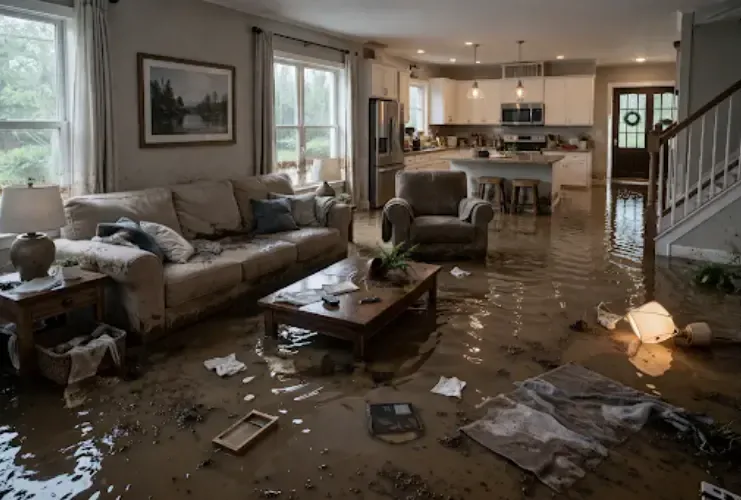
Arrange removal with attention to lower walls, floor layers and contents, leaving a clear drying and repair plan after standing water has been addressed.