Manitou Springs Water Extraction
Standing water blocks access and keeps feeding moisture into surrounding materials. Extraction in Manitou Springs starts with the water condition, then follows the puddle into floor edges, thresholds and adjoining wet surfaces.
(888) 532-8620Arrange puddle removal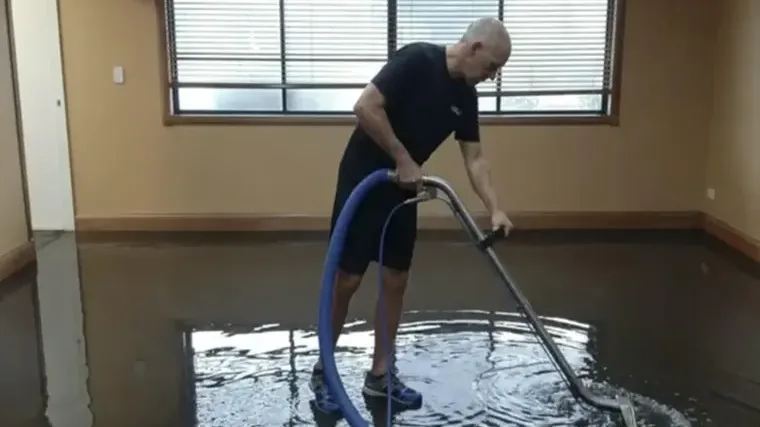
First steps for water extraction
- Stay on the dry side
A safe approach matters more than moving belongings quickly. Keep people away from wet electrical equipment and avoid crossing water to reach a switch.
- Stop further indoor supply
If the source is an accessible fixture and its valve can be reached safely, closing it can limit the amount requiring extraction.
- Identify dirty water entry
Describe mud, drain discharge or outside flooding before cleanup starts so the work area and removal method reflect the condition of the water.
- Note the adjoining surfaces
Mention carpet, wood, cabinets and lower walls that were touched by water, including areas where the puddle has already receded or been wiped.
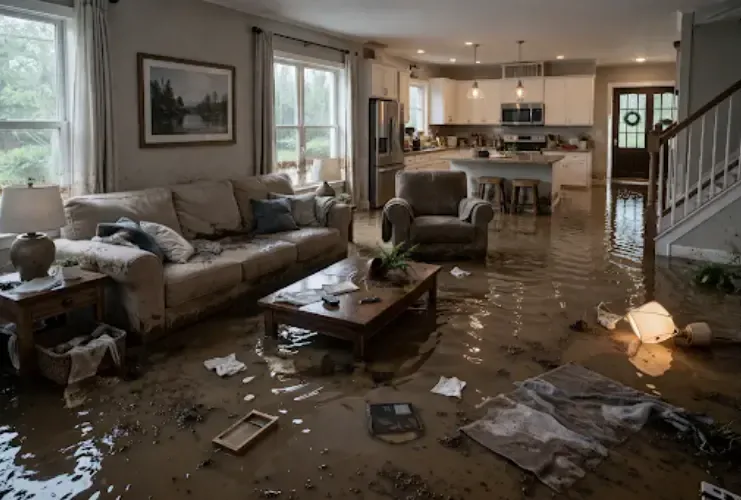
A room full of water presents several jobs at once: making access safe, removing the liquid and finding the materials that absorbed it. The July 2013 flood damaged buildings at the north end of Canon Avenue and left streets coated in mud. That kind of entry needs attention to deposited material as well as the water itself.
What does water extraction cost in Manitou Springs, CO?
Water extraction costs in Manitou Springs vary with depth, sediment and the connected floor area. These ranges describe removal scopes; extensive material drying, source repair or replacement work should be identified separately in the estimate.
- Accessible floor puddles
- Limited furniture movement
- Simple removal route
- Water across thresholds
- Multiple surface types
- Broader edge checks
- Debris handling needs
- Restricted equipment access
- Dirty water containment
Water category, affected area, material class and delay before drying change the scope.
Source correction and reconstruction may require separate agreements. These planning ranges are not quotes. Compare the inputs in the water damage cost calculator.
How the water extraction work progresses
The IICRC S500 drying standard ties equipment decisions to material measurements. The project record tracks the source, removal choices, daily conditions and the final moisture comparison.
- 01
Survey the liquid spread
The initial assessment records where water collected and how it arrived, including sediment, vulnerable contents and any restriction that changes the removal approach.
- 02
Select suitable extraction equipment
Water depth and the finish under it determine the tools used, with debris removal allowing suction to reach low points and room edges.
- 03
Address saturated removable layers
Materials that hold water or prevent effective cleaning receive individual attention so the cleared floor does not conceal a reservoir underneath the surface.
- 04
Hand off to controlled drying
Moisture measurements describe the wet structure after extraction and establish which remaining materials need equipment, access openings or further investigation before finish repairs.
Start at the deepest accessible collection
The extraction method should suit the depth and contents of the water. Large debris can obstruct equipment, while shallow water may remain in low spots after pumping. Furniture bases and floor transitions deserve inspection because they interrupt the flow and can hide small reservoirs beyond the open room.
- Check the approach for electrical hazards before placing equipment or crossing the affected floor.
- Separate dirty water work from clean rooms to limit tracking through the building.
- Inspect absorbent floor coverings for saturation that continues after the surface puddle disappears.
- Record visible sediment and water marks before cleaning changes the appearance of the space.
Flood routes and indoor water routes differ
Manitou Avenue carried water down from Cavern Gulch during the August 9, 2013 flood. An outside entry can leave soil against doorways and contamination beneath finishes. A supply leak inside a room may instead spread outward from a fixture or wall. Identifying that route helps determine which surfaces need cleaning and where the extraction boundary should extend.
The assessment should also include adjoining rooms when a continuous floor surface gives water an easy path beneath furniture or through a doorway.
Finish removal with a moisture assessment
In Crystal Hills, the same practical question applies after any indoor water loss: what remains wet beneath the now accessible surface? Measurements at skirtings, floor seams and nearby wall bases can reveal absorbed moisture that suction alone cannot remove. Those findings shape the drying plan.
Extraction is complete when accessible water has been addressed and the remaining wet materials have a defined treatment. A dry looking floor is only one observation. The restoration record should also identify retained floor layers, removal needs and any area awaiting safe access or a separate source repair.
Water extraction service area
Extraction planning covers Manitou Springs properties around Canon Avenue, Crystal Hills and the downtown area. The affected level, available doorway access and water condition help establish how equipment can reach the room safely.
The same service nearby: water extraction in Fountain, Colorado Springs, Stratmoor.
Water damage restoration in Manitou Springs · every town covered
Water Extraction questions in Manitou Springs, CO
Can a wet vacuum finish the job?
A small surface spill may be manageable, but deeper water or saturated layers need assessment. Household equipment is unsuitable for many contaminated or electrically unsafe areas.
Does extraction include drying the wall?
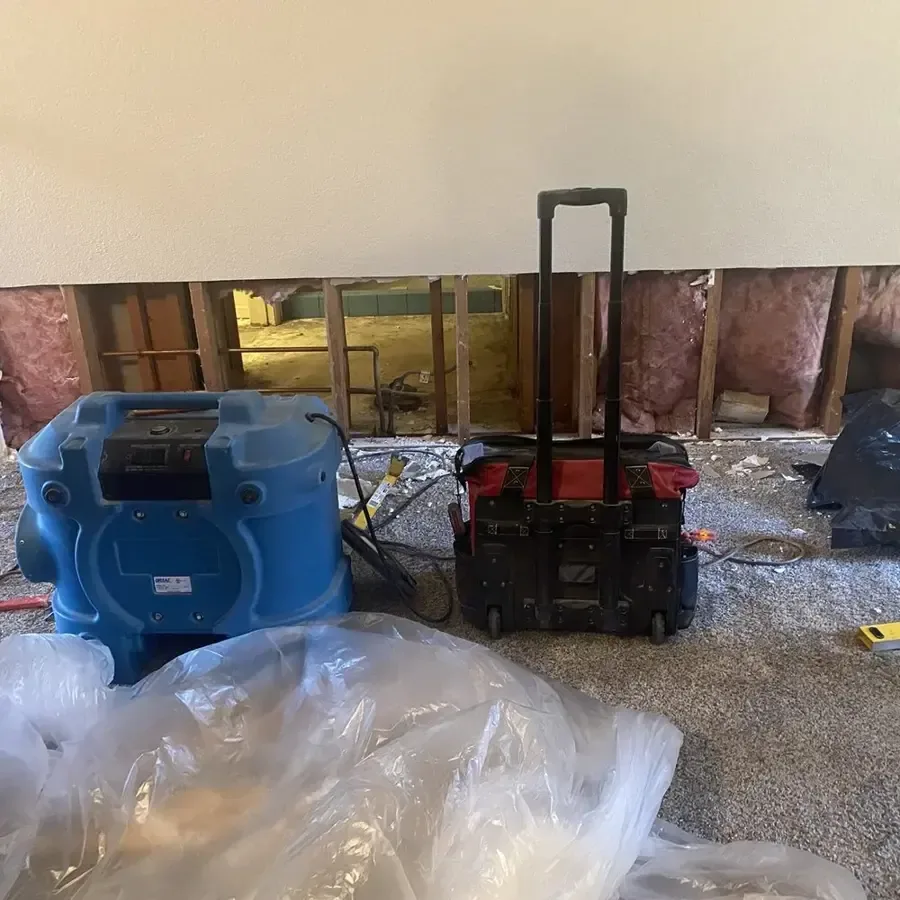
Removing liquid and drying absorbed moisture are separate tasks. A wet wall may need access and monitored drying after the floor water has been removed.
Should muddy water be treated differently?
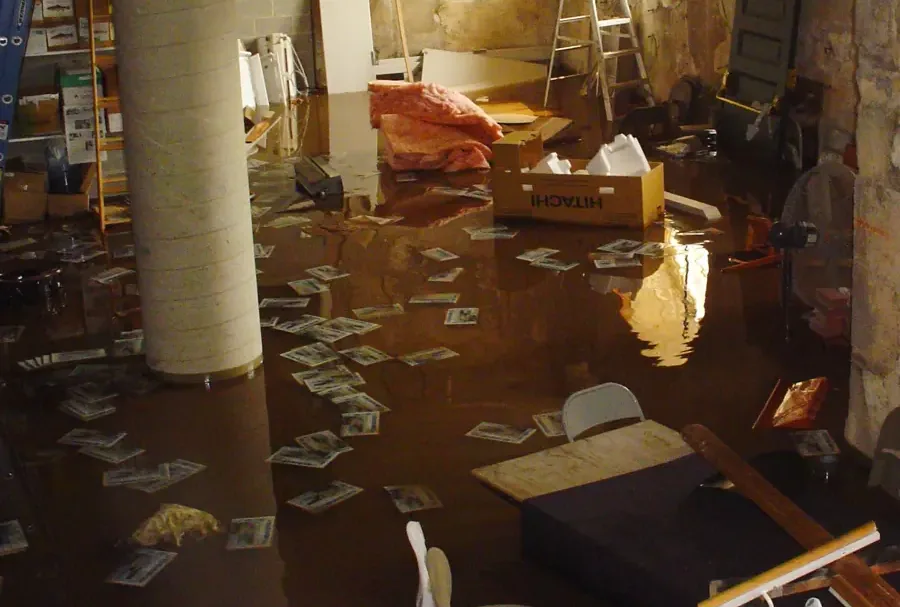
Yes. Sediment and contamination change cleaning and disposal decisions. Porous materials need inspection before a drying plan can establish what is suitable to retain.
Why inspect the next room?
Water can pass under a threshold or along a continuous floor assembly. The neighboring surface may look untouched while its underside remains damp after extraction.
Can furniture remain in place?
Access and contamination determine that choice. Movable items may need relocation or protection so trapped water beneath their bases can be reached and assessed.
What shows that removal is finished?
Accessible pools should be cleared, with remaining wet materials identified. Moisture readings and photographs support the next stage instead of relying on floor appearance alone.
Make the wet floor accessible again
Removing accessible water creates room for cleaning and material checks. Arrange an assessment that follows the spread beyond the visible puddle.