Storm Flood Cleanup in Stratmoor
Water crossing a doorway brings a different cleanup problem from a contained supply leak. Flood recovery evaluates debris, contamination and affected materials before extraction, cleaning and drying establish the next repair steps.
(888) 532-8620Describe the outside water entry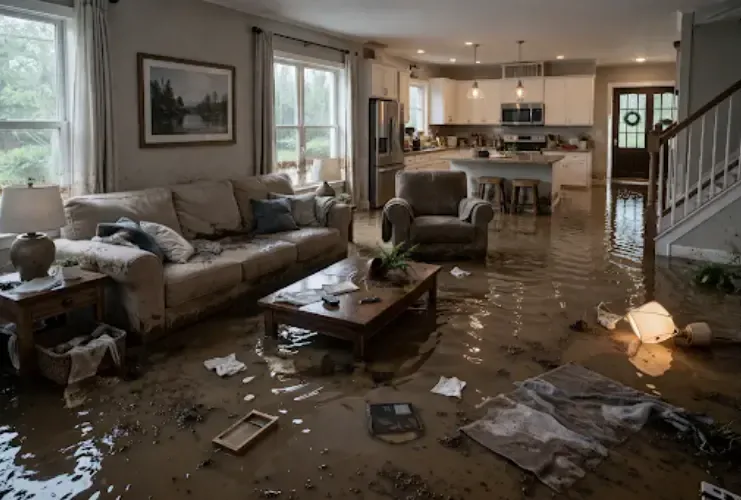
First steps for storm flood cleanup
- Assess entry and safe access
The inspection identifies continuing outside water, electrical exposure and debris hazards before anyone moves through the wet rooms or brings equipment across the threshold.
- Record water marks and contents
Photographs preserve the observed entry path and affected belongings, connecting later removal decisions to the condition found before cleaning changes the appearance of the room.
- Recover water and handle debris
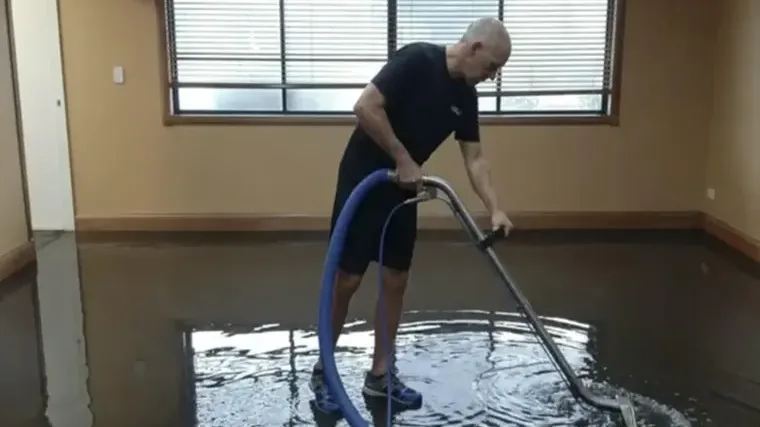
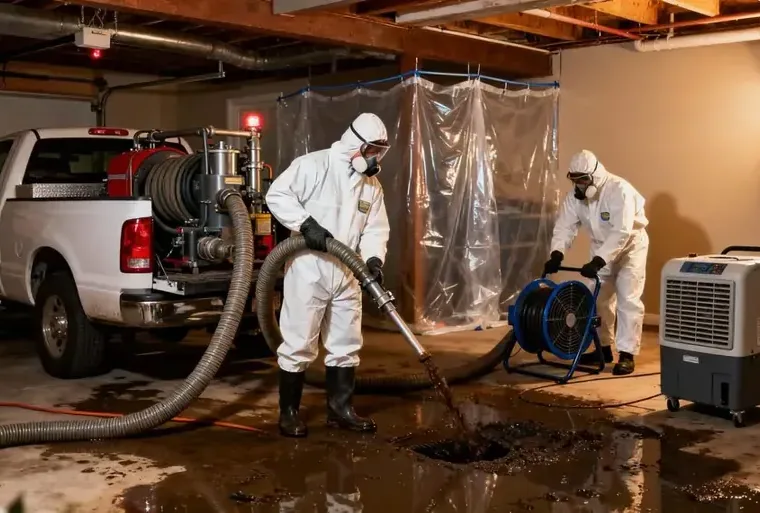
Extraction and controlled material handling clear the affected area while keeping contaminated water, porous debris and traffic away from spaces that remained dry.
- Clean before drying retained layers
Exposed surfaces receive appropriate cleaning, then the retained assembly is evaluated for a drying arrangement that can reach the remaining moisture beneath the visible finish.
A mark across a door threshold can reveal how outside water entered, while mud under furniture shows where it settled. Those observations shape storm flood cleanup in Stratmoor. The scope starts with actual building conditions and safe access, then separates water recovery, contaminated material handling and drying into a practical sequence for the affected rooms.
What does storm flood cleanup cost in Stratmoor, CO?
Storm flood cleanup costs in Stratmoor reflect water condition, debris volume and the extent of affected materials. The ranges expand as contaminated rooms and removal needs increase; source correction and reconstruction should be identified separately.
- Limited affected footprint
- Accessible debris removal
- Focused surface cleaning
- Connected wet finishes
- Controlled disposal routes
- Expanded drying area
- Broad material contamination
- Difficult interior access
- Substantial removal work
Water category, affected area, material class and delay before drying change the scope.
Source correction and reconstruction may require separate agreements. These planning ranges are not quotes. Compare the inputs in the water damage cost calculator.
How the storm flood cleanup work progresses
The IICRC S500 drying standard ties equipment decisions to material measurements. The project record tracks the source, removal choices, daily conditions and the final moisture comparison.
- 01
Establish the affected boundary
The room inspection connects debris, wet finishes and water marks to define a cleanup area that includes concealed edges as well as visible accumulations.
- 02
Organize removal without spreading water
Equipment paths and disposal handling are planned together so recovered water and damaged porous materials can leave the building without contaminating previously unaffected rooms.
- 03
Prepare the retained surfaces
Cleaning proceeds on accessible materials selected to remain, creating a suitable starting point for the moisture work and exposing damage that debris had previously concealed.
- 04
Track the remaining absorbed moisture
Drying checks follow wall bases, framing and floor layers until the record supports repair decisions, with access or equipment changes documented when particular areas lag behind.
Preserve the entry story before cleaning
Photographs of thresholds, debris deposits and water marks help explain the loss after surfaces have been cleaned. The inspection should distinguish outside entry from an unrelated plumbing discharge. Where water is still entering, the immediate plan needs to address that continuing source before removed water can be kept out of the room.
Stratmoor Valley Park is a community park with a connection to Fountain Creek Regional Trail. County directions to the trailhead also name Hartford Street. A property's actual entry route, however, directs its cleanup plan: a wet threshold, affected lower opening or another observed pathway should be described when requesting inspection. The work record follows the water found inside that building and the materials it reached.
Separate porous finishes from cleanable surfaces
- Keep occupants outside rooms containing muddy water and wet debris until access is assessed.
- Document soaked carpet, wallboard and stored belongings before deciding which items require disposal.
- Use a controlled removal route so contaminated debris does not cross unaffected living areas.
- Assess exposed hard surfaces for cleaning before equipment begins moving air across the room.
Contamination changes retention decisions even when a finish still looks intact. The estimate should identify affected materials and explain the cleaning or removal method selected for each area. That makes disposal understandable and leaves a clear record for later repair work.
Check moisture after the mud is gone
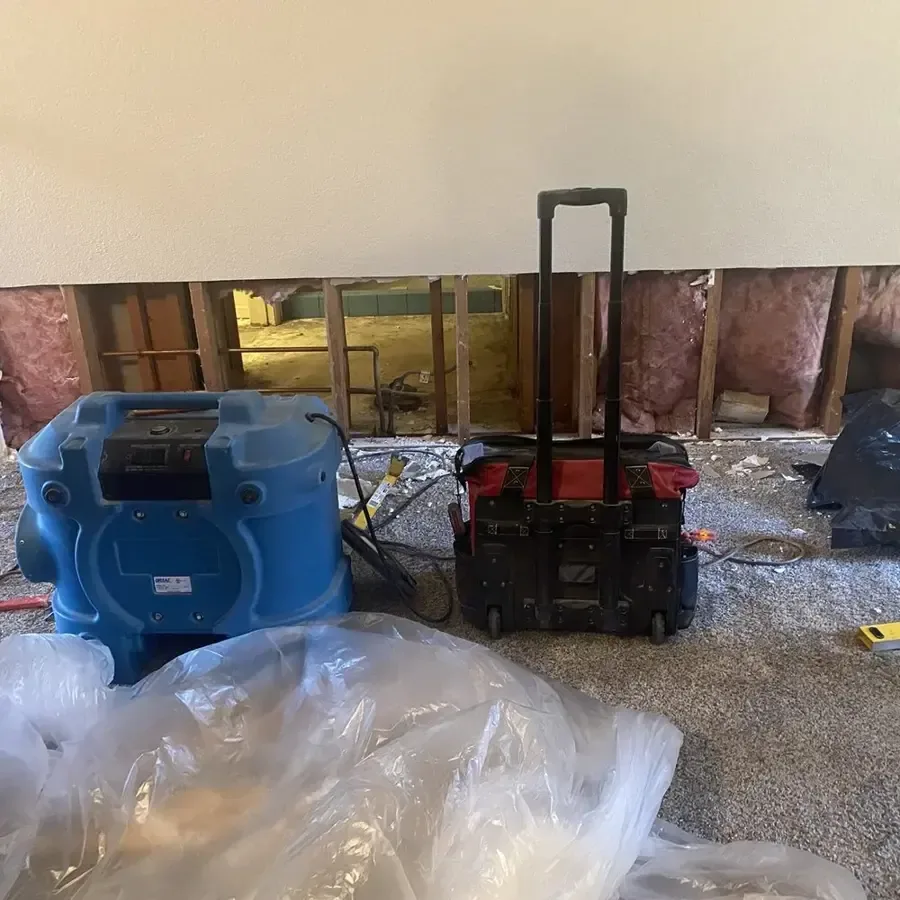
Cleaning exposes surfaces but does not remove all absorbed water. Wall bases, floor layers and framing can remain damp after debris and visible water disappear. Measured drying addresses those retained materials, with readings taken in relevant locations and compared over time. Repairs follow the resulting assessment, including any additional openings needed to reach moisture behind a finish.
Storm flood cleanup service area
Storm cleanup assessments in Stratmoor focus on buildings with actual outside water entry. Describe the wet opening, debris, occupied areas and safe route into the property when arranging an evaluation of the affected rooms.
The same service nearby: storm flood cleanup in Fountain, Security-Widefield, Colorado Springs.
Storm Flood Cleanup questions in Stratmoor, CO
Is muddy water handled like a pipe leak?
No. Outside water can carry contaminants and debris that change cleaning and retention decisions, especially for absorbent finishes and belongings exposed during the intrusion.
Should wet belongings be discarded immediately?
Document their condition first when safe. The cleanup assessment distinguishes salvageable items from unsuitable porous materials, with owner decisions and disposal records kept together.
Can fans start before the room is cleaned?
Air movement should follow assessment and appropriate contamination control. Blowing across dirty water or affected debris can spread material into areas that were not initially involved.
What photographs are most useful?
Entry points, water marks, debris patterns and affected contents help explain the event. Photographs should be taken from a safe position without crossing contaminated water.
Does clearing the mud complete the job?
Cleaning removes visible deposits, while retained building materials can still hold moisture. Those layers need inspection and measured drying before finishes close the affected assembly.
Do these prices include rebuilding every room?
The estimate should separate cleanup and drying from replacement finishes and other reconstruction. The scope depends on the actual building damage and materials selected for retention.
Related restoration services
Plan cleanup around the water that entered
Arrange an inspection of contaminated finishes and retained materials so removal, cleaning and drying can proceed in an understandable sequence.