Colorado Springs Burst Pipe Water Damage
A pipe rupture can spray above the puddle and soak materials on both sides of a wall. Colorado Springs burst pipe cleanup traces that discharge after the failed supply section has been brought under control.
(888) 532-8620Discuss the pipe rupture damage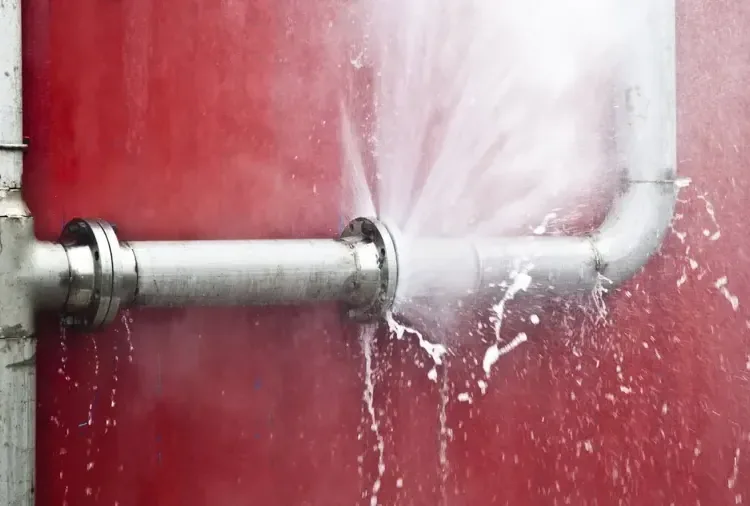
First steps for burst pipe water damage
- Locate a safe shutoff
A reachable supply control may limit discharge when it can be approached from a dry area. Unsafe entry requires keeping occupants away from the leak.
- Arrange the source repair
The broken pipe needs repair by the appropriate trade. Cleanup planning should account for the access opening and any continued discharge during source investigation.
- Capture the spray path
Safe photographs of wet ceilings, wall faces and belongings help record the spread before water is extracted and damaged finishes are opened for access.
- Report connected wet spaces
The cleanup discussion should include rooms beside and beneath the rupture, even when their surfaces show only staining or damp trim instead of standing water.
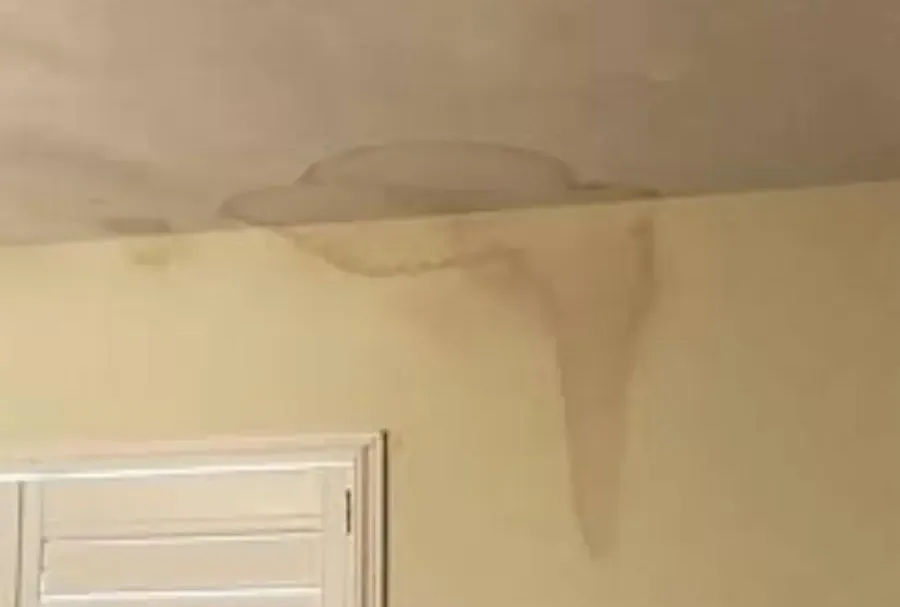
The force of a broken supply pipe changes the inspection. Water may strike insulation, the back of wallboard or a ceiling before it runs down to the floor. A small visible pool can therefore accompany a much larger area of wet building material. Closing the source stops new discharge but leaves those assemblies to be assessed.
What does burst pipe water damage cost in Colorado Springs, CO?
Colorado Springs burst pipe cleanup costs depend on how many assemblies the discharge reached and how readily they can be accessed. The estimate should distinguish pipe repair from water removal, affected material handling and monitored drying.
- Open repair access
- Limited wet finishes
- Focused extraction work
- Wall cavity exposure
- Floor layer assessment
- Connected room drying
- Ceiling access work
- Broad contents movement
- Several equipment zones
Water category, affected area, material class and delay before drying change the scope.
Source correction and reconstruction may require separate agreements. These planning ranges are not quotes. Compare the inputs in the water damage cost calculator.
How the burst pipe water damage work progresses
The IICRC S500 drying standard ties equipment decisions to material measurements. The project record tracks the source, removal choices, daily conditions and the final moisture comparison.
- 01
Trace discharge from the rupture
The inspection starts at the failed supply section and follows spray, runoff and material readings to define the damaged area beyond the repair opening.
- 02
Remove retained liquid
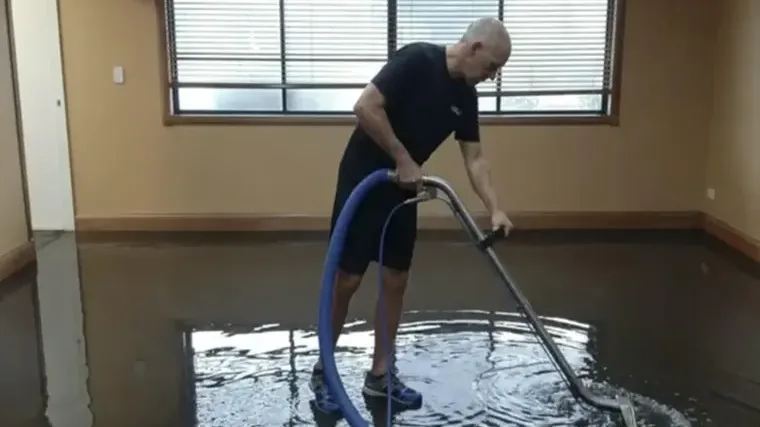
Extraction addresses floor water and reachable pockets. Unsalvageable wet finishes are identified so their removal gives access to material that can remain for drying.
- 03
Dry connected assemblies
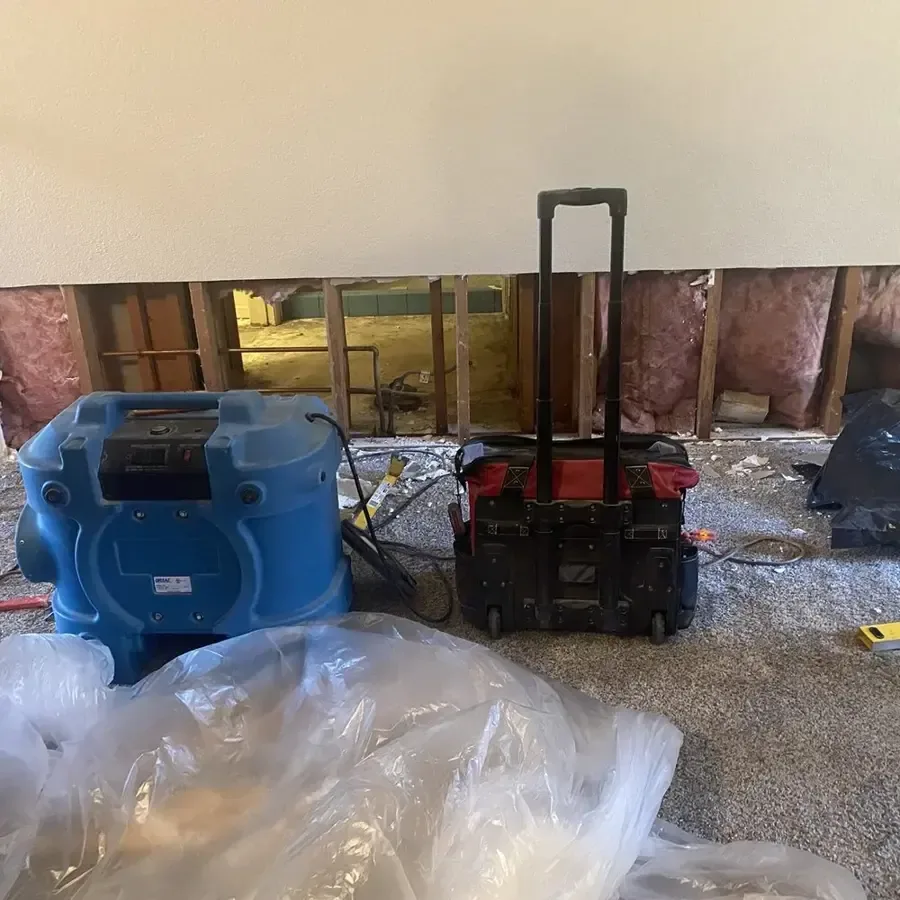
The equipment layout addresses the wall, ceiling and floor areas involved. Moisture checks determine whether concealed sections need more access or a changed arrangement.
- 04
Document readiness to close
A assessment of retained materials supports the decision to replace finishes. Repair notes and drying records remain separate so the completed tasks are clear.
Distinguish a supply interruption from indoor damage
A water main break closed Murray Boulevard in both directions at Airport Road on May 15, 2026. For an indoor rupture, the cleanup scope begins with the failed component at the property and the path of its discharge. Repair records and photographs help connect the source work to the rooms that need restoration.
Look above and behind the obvious puddle
At a property in East End, an opening around the damaged pipe may reveal wet cavity material extending away from the repair. The restoration assessment should follow that moisture rather than using the plumber's access opening as the cleanup boundary. Finishes on the opposite wall face, adjoining closets and the floor below deserve attention when the discharge path reaches them.
- Sprayed insulation can retain water even when the exposed pipe has been repaired.
- Cabinet backs and wall bases may obstruct access to moisture at floor level.
- Water crossing a doorway can reach flooring that looks unaffected from above.
- Documentation should distinguish existing damage from materials opened during necessary inspection and drying.
Use the repair point to organize recovery
For North End or Skyway properties, room layout determines how removal equipment reaches the damaged area. Containment and contents movement should preserve access to the repaired pipe while protecting dry rooms from water carried on hoses or belongings.
Once excess water is removed, the drying plan follows the affected assembly: wall cavity, ceiling, floor or a combination. Closing an access opening too early can trap moisture. The final assessment should describe the condition of retained materials and the repairs needed after controlled structural drying.
Burst pipe water damage service area
Burst pipe damage discussions for Knob Hill, Ivywild and Stratton Meadows can begin with the location of the failed pipe and nearby rooms. Building access and wet material conditions determine the practical cleanup sequence.
The same service nearby: burst pipe water damage in Fountain, Stratmoor, Manitou Springs.
Water damage restoration in Colorado Springs · every town covered
Burst Pipe Water Damage questions in Colorado Springs, CO
Does fixing the pipe dry the wall?
The repair stops the source. Wet wallboard, insulation and framing still require inspection to determine what can remain and how moisture will be removed.
Why inspect above the leak?
Pressurized discharge can spray upward before draining. Its direction may wet materials higher than the final puddle, making a vertical inspection useful.
Can the access opening be patched immediately?
The surrounding cavity should be evaluated first. Covering wet material can prevent useful inspection and interfere with drying that is still needed behind the finish.
What should the owner photograph?
Images can show the failed component, water boundary and damaged contents from a safe location. Repair paperwork helps explain changes made before restoration inspection.
Must every affected wall be removed?
Removal depends on condition, contamination and drying access. An assessment can identify which materials need disposal and which retained sections can be monitored during drying.
Can water reach a lower room?
Runoff may travel through floor penetrations or connected cavities. Rooms beneath the rupture need checking when staining, dripping or readings suggest that path was involved.
The repaired pipe is one part of recovery
The remaining work follows water into the surrounding structure and establishes which wet materials need removal, drying or later repair.