Manitou Springs Burst Pipe Water Damage
An indoor pipe can discharge into a wall long before water appears on the floor. Manitou Springs burst pipe cleanup traces that escape through the building after the damaged supply section has been controlled.
(888) 532-8620Discuss the pipe discharge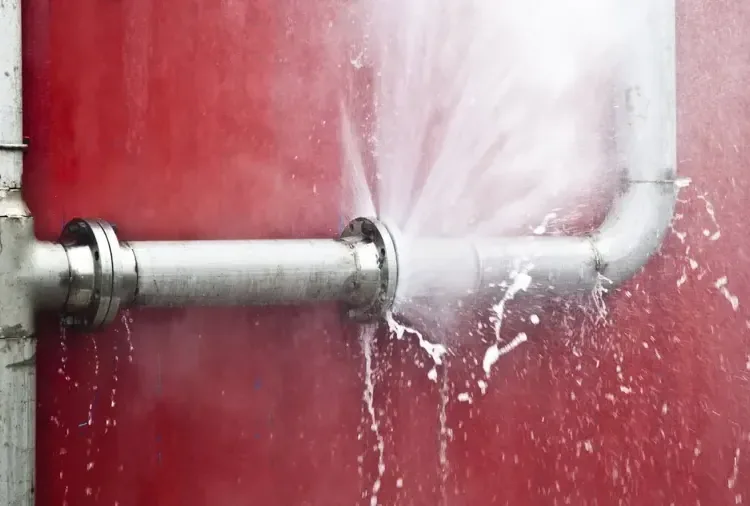
First steps for burst pipe water damage
- Locate a safely accessible shutoff
Closing the appropriate water supply can limit ongoing discharge when the valve is reachable without entering a wet electrical area or damaged ceiling zone.
- Keep the wet cavity undisturbed
Avoid probing a swollen wall or ceiling to search for the pipe. Hidden wiring and unstable finishes can make improvised opening work unsafe.
- Record the affected floor levels
A clear description includes rooms above and below the visible water, along with any sound of continued flow after the supply was closed.
- Separate repair and cleanup records
Retain the source repair description alongside damage photographs so the cleanup assessment can connect the plumbing failure with affected surfaces and concealed building layers.
A sudden rush inside a wall calls for source isolation before attention turns to the finish. Water under pressure can reach insulation, framing and the room below through openings that are difficult to see. The wettest visible spot may be where water escaped the cavity rather than where the pipe failed.
What does burst pipe water damage cost in Manitou Springs, CO?
Burst pipe cleanup in Manitou Springs depends on how far the discharge travelled and which assemblies need access. The ranges cover differing interior losses; plumbing repairs and replacement finishes should remain distinct items in the written scope.
- Localized surface wetting
- Reachable pipe area
- Focused cavity checks
- Insulation assessment work
- Connected room inspection
- Selective access openings
- Ceilings below discharge
- Extensive retained framing
- Broader drying control
Water category, affected area, material class and delay before drying change the scope.
Source correction and reconstruction may require separate agreements. These planning ranges are not quotes. Compare the inputs in the water damage cost calculator.
How the burst pipe water damage work progresses
The IICRC S500 drying standard ties equipment decisions to material measurements. The project record tracks the source, removal choices, daily conditions and the final moisture comparison.
- 01
Confirm that discharge has stopped
The source status is established with the repair information, while inspection checks whether another leak or retained pool continues to feed the affected area.
- 02
Map the connected wet materials
Measurements and visual observations trace moisture through adjoining finishes so the cleanup boundary reflects the water route instead of only the largest surface mark.
- 03
Create access where it matters
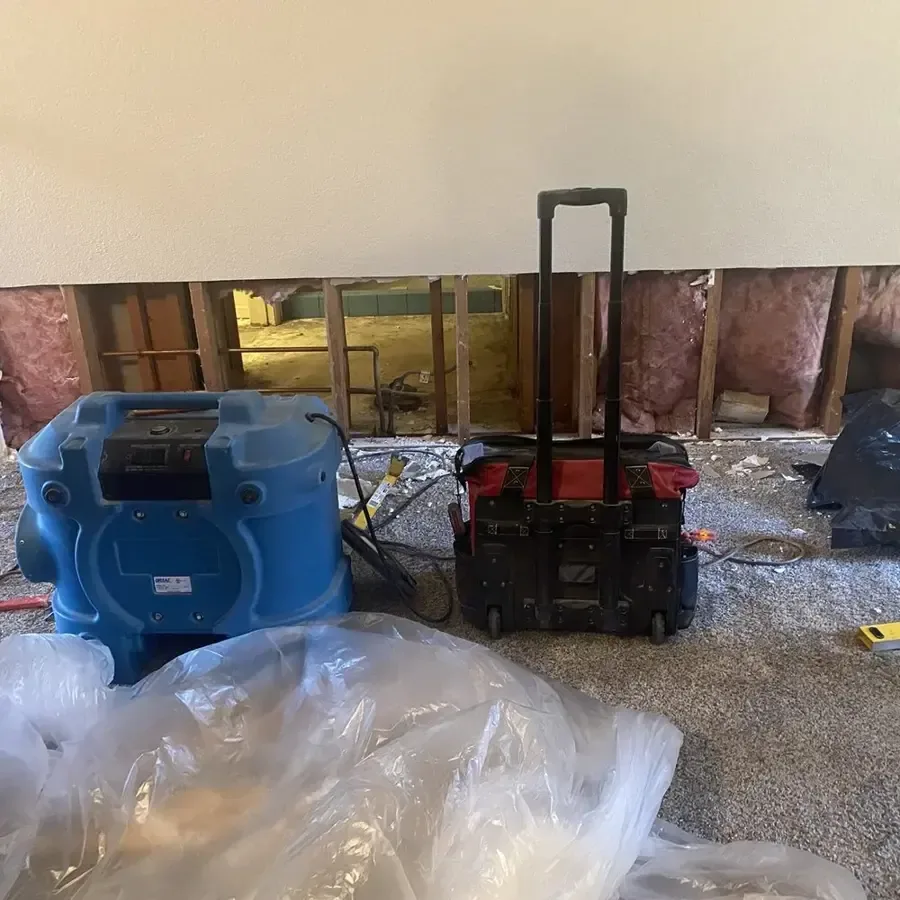
Targeted removal exposes materials that cannot be assessed or dried effectively through the existing finish, with affected items recorded before disposal or repair.
- 04
Monitor the remaining assembly
Drying progress is measured at the relevant materials and assessed before walls or ceilings are closed, keeping unresolved damp areas visible in the work record.
Separate the supply incident from interior damage
Two municipal main breaks brought emergency restrictions to Manitou Springs on June 28, 2026. Repair activity involved Manitou Avenue and El Monte Place, while parts of the Ruxton corridor lost water service. Those public supply disruptions are distinct from a broken pipe inside a property. Indoor cleanup begins with the particular connection and materials involved.
- Record where the sound of escaping water or first visible spray was noticed.
- Check the room below when an upper wall or floor assembly became wet.
- Keep damaged pipe components available for documentation when the repair professional recommends it.
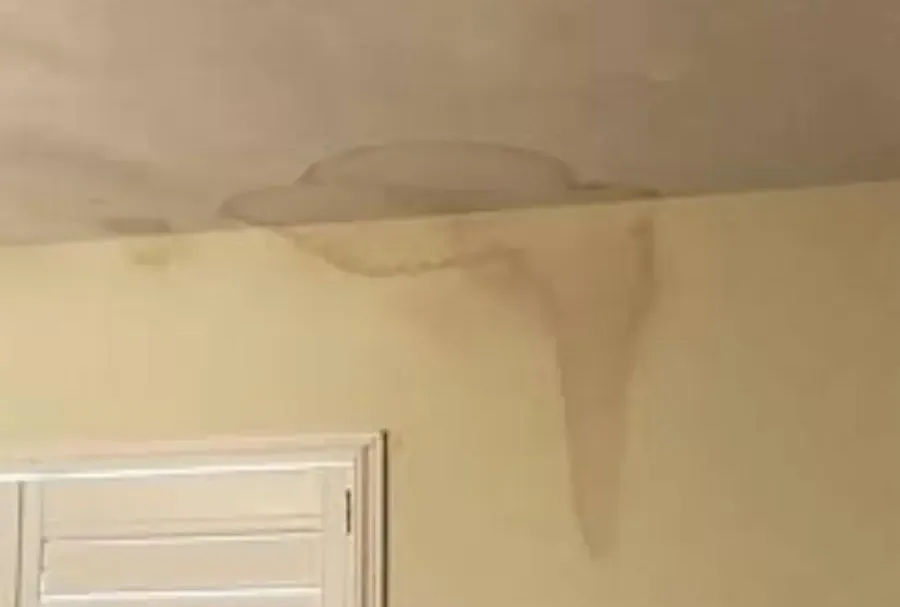
- Inspect adjacent insulation and finish backing before treating the surface stain as the full loss.
A repaired connection leaves a separate drying job
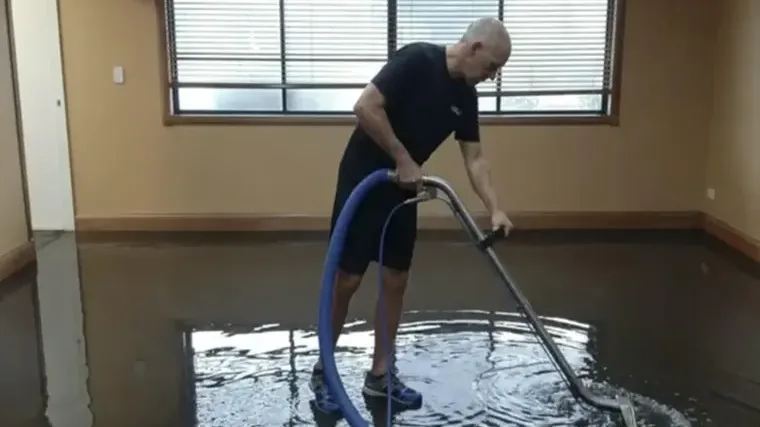
Stopping the discharge limits new damage, but it does not remove water already stored in the building. Absorbent materials can continue transferring moisture into neighboring surfaces. Cleanup should establish the wet boundary, remove accessible liquid and identify cavities that need opening. The purpose of any opening is access to affected material, with its location and extent explained before reconstruction planning.
Photographs taken before and after access work connect the pipe location with the wider damage pattern and make the scope easier to evaluate.
Follow the path rather than the stain
At properties around Tyler Street or elsewhere in town, the inspection follows the assembly actually present. A wall cavity may drain toward the floor, while a ceiling space can carry water away from the room containing the leak. Moisture readings help choose the next inspection point.
Retained materials require a monitored drying plan. Softened finishes, trapped insulation and swollen components receive separate decisions based on condition and access. The final record should distinguish the plumbing repair from cleanup, drying and replacement work still needed inside the building.
Burst pipe water damage service area
For burst pipe damage across Manitou Springs, the useful access details include the valve location, affected floor level and occupied rooms. Properties near Manitou Avenue or in Crystal Hills receive a source specific inspection.
The same service nearby: burst pipe water damage in Fountain, Colorado Springs, Stratmoor.
Water damage restoration in Manitou Springs · every town covered
Burst Pipe Water Damage questions in Manitou Springs, CO
Is a municipal outage a burst pipe claim?
An outage and an indoor pipe failure are different events. Cleanup documentation should describe the actual water entry and damaged materials at the property.
Why is the ceiling below inspected?
Water can descend through openings around framing or services. A lower ceiling may hold moisture even when the room containing the damaged pipe looks clearer.
Can the wall stay closed?
That depends on moisture, insulation and access. Some assemblies need selective opening so wet materials can be assessed and the retained structure can dry effectively.
Does a stopped leak still cause damage?
Yes. Water already absorbed into finishes and framing can remain after shutoff. Removing liquid and managing that stored moisture are necessary parts of cleanup.
Should the broken component be photographed?
Source photographs and the repair description can help explain the incident. Safe access comes first, and damaged parts should be handled by the repair professional.
When can the room be redecorated?
Decoration follows suitable material conditions and necessary repairs. Painting over a stain before the underlying assembly is dry can hide a problem that still needs attention.
Trace the discharge through the building
Arrange a cleanup assessment that connects the repaired pipe with wet finishes, concealed materials and the work needed before the room is restored.