Manitou Springs Ceiling Leak Water Damage
A ceiling stain can be the end of a longer water path. Ceiling leak cleanup in Manitou Springs checks above the mark, along adjoining cavities and below any unstable or saturated overhead finish.
(888) 532-8620Discuss the overhead water damage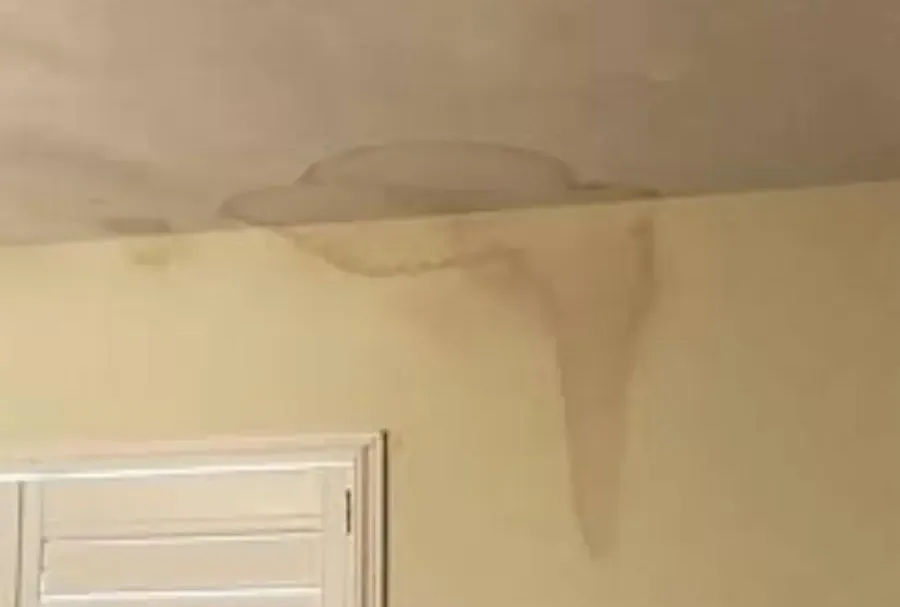
First steps for ceiling leak water damage
- Clear the area under the stain
A sagging section should have an open safety boundary beneath it. Move belongings only when their location can be reached without standing under unstable material.
- Describe the timing of the drip
Information about rainfall or use of an upstairs fixture helps direct investigation, especially when the ceiling mark sits away from the actual source.
- Avoid wet electrical fittings
Do not touch a damp light or switch. Electrical safety must be resolved before inspection or cleanup requires working around the affected fitting.
- Notify the property contact
In shared buildings, access to an adjoining or upper room may be necessary to stop the leak and understand the full overhead water path.
The darkest part of a ceiling stain is not always directly beneath the leak. Water can follow framing, collect on the back of a finish and appear at a joint or opening. A useful inspection therefore starts with safe access and traces the route above the room before deciding how much ceiling material needs attention.
What does ceiling leak water damage cost in Manitou Springs, CO?
Ceiling leak cleanup costs in Manitou Springs depend on overhead access, insulation condition and spread into adjoining rooms. An estimate should separate controlled removal and drying from source repairs, replacement plaster and final painting or decoration.
- Limited overhead wetting
- Reachable source cavity
- Focused moisture inspection
- Absorbent material removal
- Exposed framing checks
- Controlled ceiling access
- Extended overhead spread
- Adjoining wall assessment
- Larger drying arrangement
Water category, affected area, material class and delay before drying change the scope.
Source correction and reconstruction may require separate agreements. These planning ranges are not quotes. Compare the inputs in the water damage cost calculator.
How the ceiling leak water damage work progresses
The IICRC S500 drying standard ties equipment decisions to material measurements. The project record tracks the source, removal choices, daily conditions and the final moisture comparison.
- 01
Assess overhead stability and source
The first assessment identifies unsafe finishes and the likely water route, allowing access to be arranged without placing occupants beneath an unstable ceiling area.
- 02
Expose the necessary wet section
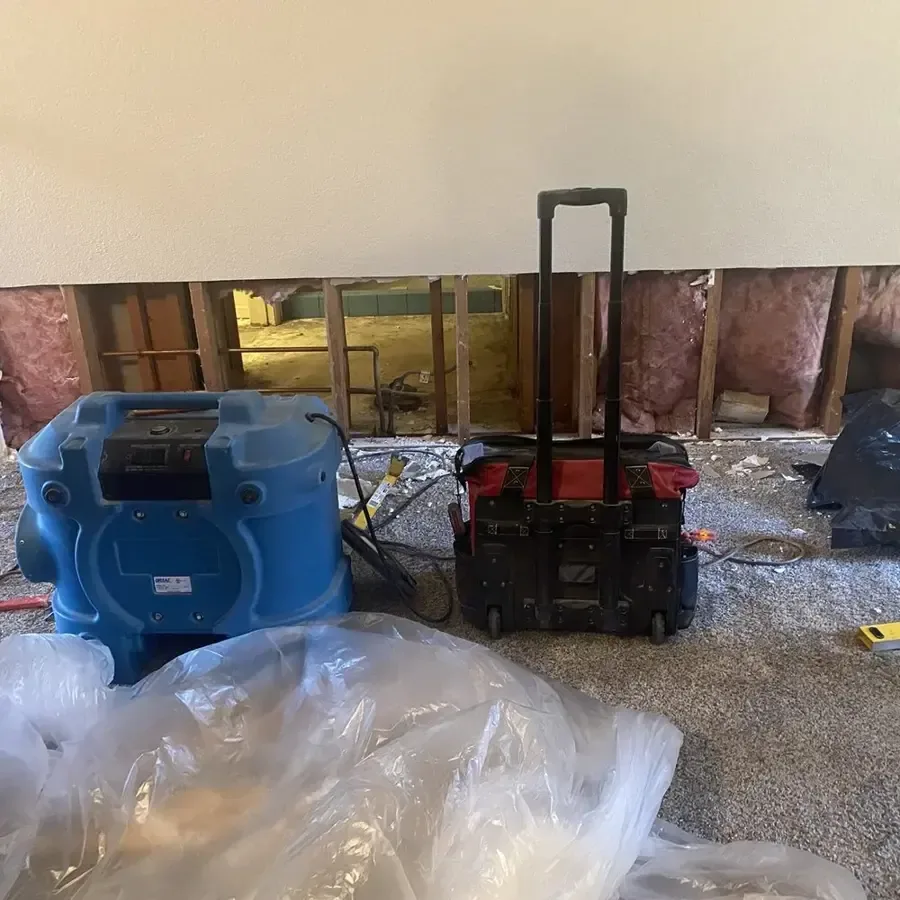
Selective opening makes concealed materials available for inspection, with wet insulation and damaged finish layers assessed individually rather than hidden behind a surface repair.
- 03
Dry the connected ceiling assembly
The retained framing and adjoining surfaces receive a drying plan that accounts for cavity access and moisture movement beyond the original point of dripping.
- 04
Confirm readiness for finish restoration
Inspection at the end of drying checks the affected overhead materials and records any remaining repair need before the ceiling is closed and decorated.
Keep the area below a sagging finish clear
Bulging, soft or actively dripping overhead material can release suddenly. People and movable belongings should remain outside that area. Puncturing a bubble or pulling at plaster introduces risks from hidden wiring and falling material. A controlled opening, when needed, belongs within a plan for isolation, debris handling and inspection of the space above.
- Describe whether dripping follows fixture use, rainfall or a continuous supply leak above the room.
- Photograph the whole ceiling from a safe position rather than standing directly below a bulge.
- Include adjoining wall stains and light fittings in the damage description without touching wet electrical components.
- Keep track of changes after the water source is stopped, including new marks at nearby seams.
Plan access for the building in front of the crew
Barker House is a former hotel now used as residential apartments. Briarhurst Manor is a Victorian manor house on the National Register of Historic Places. The Manitou Springs Historic District adds another local setting where the condition and character of existing finishes matter to repair planning. For any affected property, access decisions should follow the actual overhead assembly, its condition and the source location.
Shared occupancy can also affect communication. When a leak may originate above a separate occupied space, the responsible property contact needs clear information about access and continuing water entry.
Inspect insulation before closing the ceiling
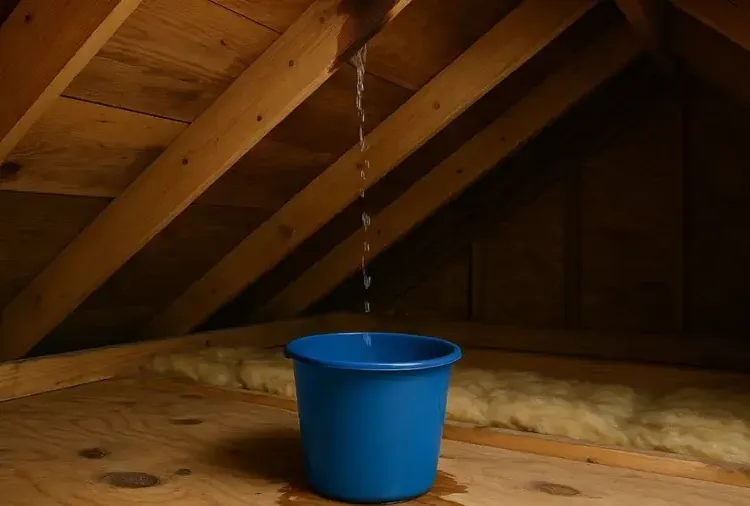
A surface may lighten while the material above it remains wet. Insulation, framing edges and the backs of adjoining finishes require attention when the water path reaches them. Removal decisions depend on damage and access; simply applying heat to the visible face may leave trapped moisture in an enclosed section.
The drying record should identify which overhead materials remained, where measurements were taken and what needs further repair. A sound ceiling finish can then be restored over suitable conditions. Painting is a finishing task after the source and wet assembly have been addressed, not a substitute for either investigation or drying.
Ceiling leak water damage service area
Ceiling leak assessments across Manitou Springs include occupied homes and apartment spaces. Around Barker House, Crystal Hills or downtown, the important access details are the affected ceiling, source location and any adjoining occupied room.
The same service nearby: ceiling leak water damage in Fountain, Colorado Springs, Stratmoor.
Water damage restoration in Manitou Springs · every town covered
Ceiling Leak Water Damage questions in Manitou Springs, CO
Should a ceiling bubble be punctured?
An unstable ceiling can release water and debris unexpectedly. Keep clear and arrange a controlled assessment instead of standing beneath it with a tool.
Can a stain be far from the leak?
Yes. Water can follow framing or the back of a finish before appearing at a seam. The inspection should trace beyond the visible mark.
Will dry paint mean dry insulation?
No. The surface can change appearance before the concealed assembly dries. Insulation and framing need assessment when water has reached the space above.
What if the drip stops by itself?
The source may be intermittent, and retained water can remain overhead. Note the timing and arrange inspection before covering the stain or closing openings.
Must the entire ceiling come down?
The required opening depends on damage, stability and access. A defined scope should explain which sections need removal and which can remain for drying.
Who needs access in an apartment?
The property contact may need to coordinate entry above or beside the affected room. The source and shared assembly determine where inspection is necessary.
Address the cavity above the stain
A clear repair plan follows the water to its source and checks concealed materials before the overhead finish is restored and painted.