Manitou Springs Roof Leak Water Damage
Rainwater can travel along roof framing before it reaches a room. Interior roof leak cleanup in Manitou Springs follows that route through insulation, decking and ceilings while the exterior entry receives separate repair attention.
(888) 532-8620Discuss rain entry indoors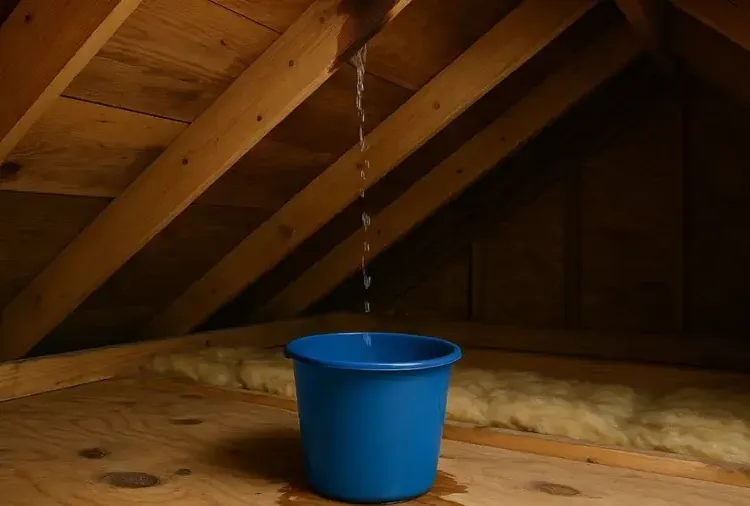
First steps for roof leak water damage
- Observe from a safe indoor position
Note the first ceiling mark and the timing of rainfall without entering a wet attic or climbing onto the roof to investigate the entry.
- Avoid the unstable overhead area
Keep occupants away from a bowed ceiling and any wet light fitting. A container is useful only when it can be placed without entering danger.
- Preserve the sequence of changes
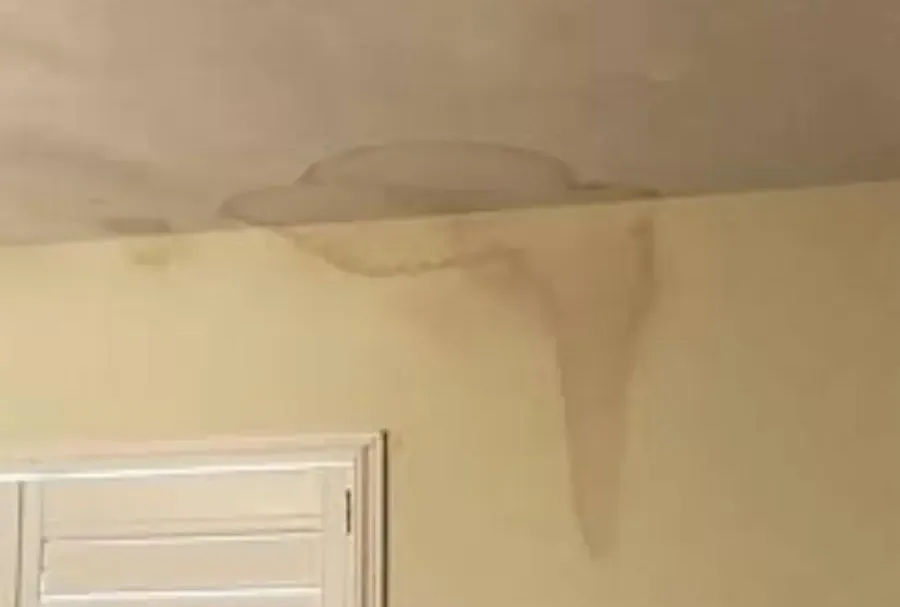
Photographs showing the initial stain and later spread can help distinguish separate wet areas, especially when rain stops before the interior inspection takes place.
- Arrange source and interior attention
The exterior leak needs repair, while damp insulation and ceiling materials need their own assessment. Describe both needs when organizing the response to rain entry.
A bucket under the drip catches only the water that reaches it. Moisture may already have soaked insulation or travelled across framing before dropping through the ceiling. The interior damage assessment should follow the route back toward the roof space, with safe access established before entering an attic or working beneath a weakened finish.
What does roof leak water damage cost in Manitou Springs, CO?
Roof leak interior cleanup in Manitou Springs varies with attic access, insulation saturation and repeated wetting. These ranges concern the damaged interior assembly; roof repairs, exterior protection and replacement finishes should be clarified separately in the estimate.
- Small ceiling area
- Accessible attic section
- Focused material checks
- Wet insulation handling
- Framing exposure needs
- Directed cavity drying
- Several wet bays
- Connected wall damage
- Extended access requirements
Water category, affected area, material class and delay before drying change the scope.
Source correction and reconstruction may require separate agreements. These planning ranges are not quotes. Compare the inputs in the water damage cost calculator.
How the roof leak water damage work progresses
The IICRC S500 drying standard ties equipment decisions to material measurements. The project record tracks the source, removal choices, daily conditions and the final moisture comparison.
- 01
Connect rainfall with the interior route
Inspection uses the observed drip pattern and available roof repair information to identify affected materials while keeping unsafe attic or ceiling areas out of ordinary access.
- 02
Assess insulation and concealed surfaces
The wet roof space is examined where safe access allows, with decisions about insulation and finish removal based on saturation, damage and the ability to dry.
- 03
Treat the interior moisture footprint
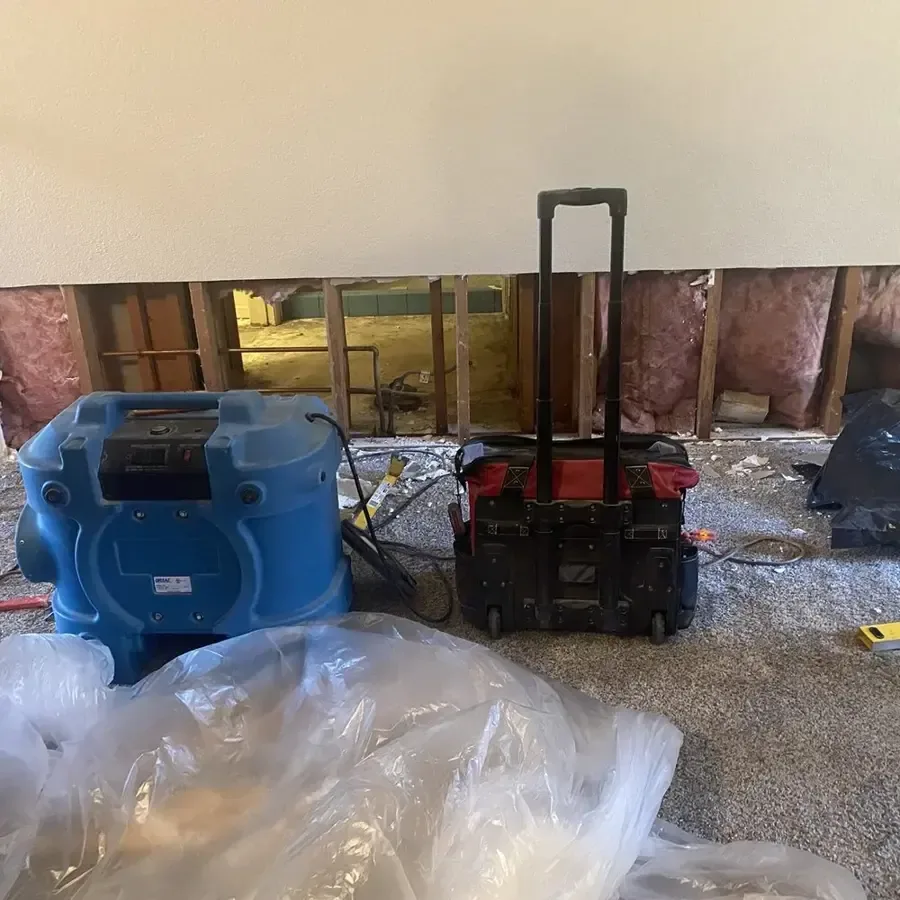
Retained decking, framing and adjoining room surfaces receive appropriate drying attention, including connected cavities that stayed wet after the visible drip stopped during clearer weather.
- 04
Assess the repaired and dried assembly
The final interior assessment documents remaining material conditions and any unfinished source work before damaged ceiling finishes are replaced and the room returns to normal use.
Distinguish overhead entry from street flooding
Canon Avenue experienced severe building damage in the July 2013 flood. Water also moved down Manitou Avenue from Cavern Gulch during the August 9, 2013 event. Those street flood routes differ from rain entering through a roof. The cleanup plan should identify the actual entry at the property and follow the surfaces it touched.
- Record which room drips first and whether marks appear only during rainfall.
- Keep clear of wet ceiling fittings and any visibly bowed overhead material.
- Include accessible attic observations without walking onto unsupported or concealed ceiling surfaces.
- Protect dry belongings only where a safe route avoids the affected overhead area.
Exterior repair and interior drying work together
Repairing the roof entry prevents additional rain from reaching the assembly. Interior restoration then addresses the moisture already present. Wet insulation may obscure the underside of decking or hold water against other materials. An inspection should explain where access is needed and whether the affected insulation can remain, rather than relying on the condition of the painted ceiling below.
Repeated wetting can make the damage boundary harder to see because older marks and current dampness may overlap. Moisture measurements help separate appearance from present material condition.
Check the room beyond the drip
Water can spread into a wall top or neighboring ceiling bay. The assessment follows those connections and records affected contents below, including furnishings that absorbed drips before a container was placed. Retained structure needs exposure and equipment suited to the available roof space.
Final decorating follows source control and adequate drying. The record should show which materials were removed, what remained for treatment and any inaccessible area requiring further work. That sequence makes the ceiling repair part of a complete response to rain entry.
Roof leak water damage service area
Roof leak interior assessments serve Manitou Springs rooms affected by rain entry. Properties around Canon Avenue, Manitou Avenue and Crystal Hills need access planning based on their individual roof space and the ceiling condition below.
The same service nearby: roof leak water damage in Fountain, Colorado Springs, Stratmoor.
Water damage restoration in Manitou Springs · every town covered
Roof Leak Water Damage questions in Manitou Springs, CO
Does catching the drip prevent hidden damage?
A container limits water reaching the floor, but insulation and framing may already be wet. The overhead route still needs assessment after the visible drip stops.
Is roof repair included in interior cleanup?
The written scope should identify that clearly. Repairing the exterior entry and drying damaged interior materials are different tasks that need coordination for a lasting result.
Can the attic be inspected immediately?
Only when access is safe. Wet wiring, unstable surfaces and concealed footing hazards can prevent ordinary entry and require a controlled inspection approach first.
Why check the top of a wall?
Water travelling along framing can enter wall cavities beside the ceiling. Moisture near that junction may extend beyond the room containing the obvious drip.
Should insulation stay in place?
Its condition and effect on drying determine the choice. Saturated or inaccessible material may need removal so the underlying structure can be inspected and treated.
When is repainting appropriate?
Repainting belongs after the roof entry is controlled and the retained ceiling assembly is suitable for repair. The underlying materials need moisture checks before painting.
Follow rainwater through the overhead assembly
Arrange an interior assessment that addresses wet insulation and framing alongside the ceiling stain, with source repair and finish restoration kept clear in the scope.