Roof Leak Water Damage in Stratmoor
Water entering at the roof can leave several wet layers before a room shows a drip. Interior restoration follows that route through accessible decking, framing and insulation after the exterior entry is addressed.
(888) 532-8620Assess the interior roof leak damage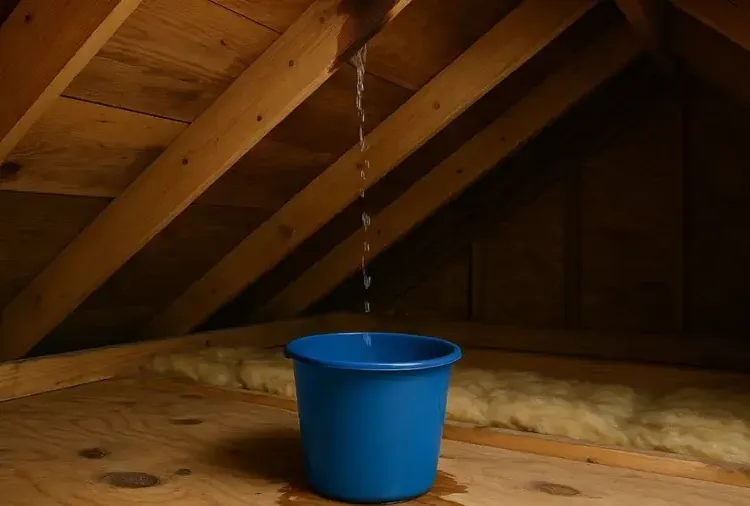
First steps for roof leak water damage
- Connect exterior and interior findings
The reported roof entry and repair status are compared with indoor staining, helping define the route through decking, insulation and the ceiling assembly below.
- Establish safe inspection access
Attic footing, overhead instability and electrical exposure are assessed before personnel approach wet materials or move stored belongings within the affected roof space.
- Remove unsuitable wet materials
Damaged finishes and saturated insulation are evaluated individually, with removal documented where materials cannot be retained or prevent access to moisture in the assembly.
- Dry before closing the cavity
Retained framing and other accessible layers are monitored, giving the repair handoff a moisture record alongside the information about the corrected exterior entry.
A bucket beneath a drip protects only the surface directly below it. Water that has already crossed roof decking, insulation or framing remains inside the assembly. In a Stratmoor property, the restoration scope should connect the roof repair findings with the interior route and the materials that became wet before the drip was noticed.
What does roof leak water damage cost in Stratmoor, CO?
Roof leak damage cleanup in Stratmoor varies with attic access, insulation condition and the interior spread. The ranges address affected building materials; exterior roof repairs and replacement finishes should be distinguished from the removal and drying scope.
- Accessible interior stain
- Focused assembly inspection
- Small drying area
- Wet insulation handling
- Exposed framing checks
- Ceiling opening work
- Several affected cavities
- Extensive interior access
- Broader material removal
Water category, affected area, material class and delay before drying change the scope.
Source correction and reconstruction may require separate agreements. These planning ranges are not quotes. Compare the inputs in the water damage cost calculator.
How the roof leak water damage work progresses
The IICRC S500 drying standard ties equipment decisions to material measurements. The project record tracks the source, removal choices, daily conditions and the final moisture comparison.
- 01
Preserve the entry history
The record combines discovery details, visible interior changes and exterior repair information so the water route remains understandable after openings and finish removal alter the scene.
- 02
Evaluate each concealed layer
Accessible decking, insulation and framing are checked in sequence, with observations explaining which components need removal and which can stay through the monitored drying work.
- 03
Direct drying through the opening
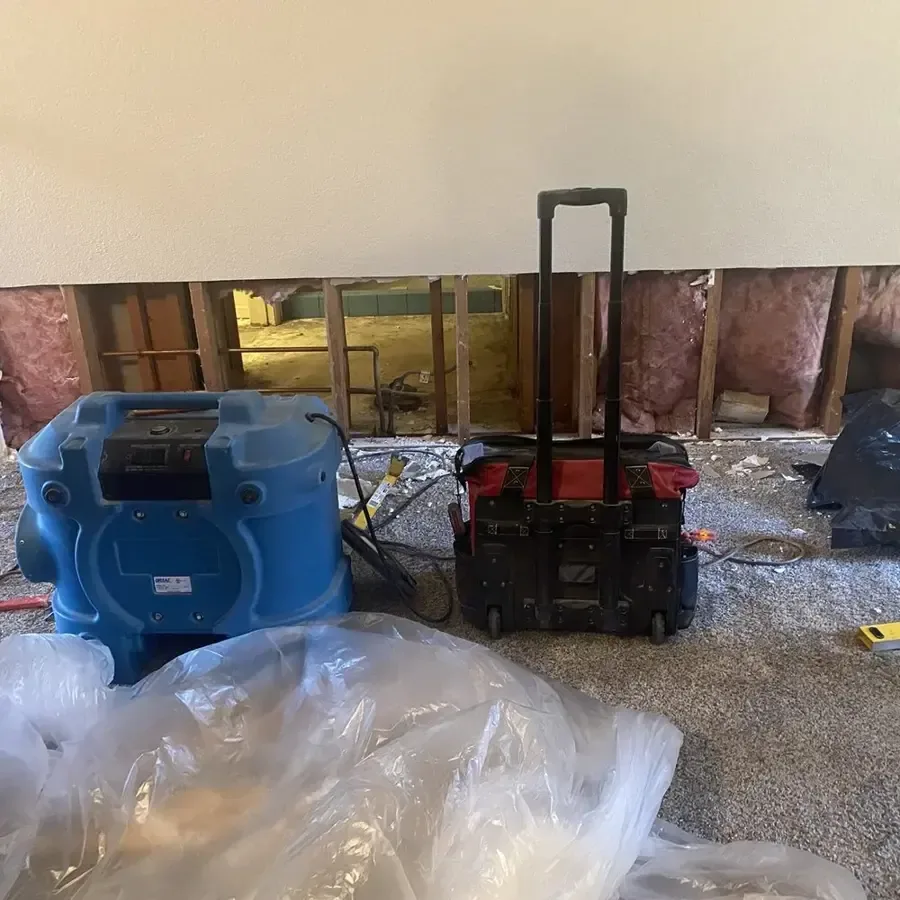
Equipment serves retained materials rather than only the room air, with measurements showing whether concealed pockets require a different arrangement or more direct access.
- 04
Coordinate the interior repair release
The handoff records material condition and drying progress while distinguishing completed exterior work from remaining ceiling, insulation and decorative repairs needed to finish the affected rooms.
Read the path rather than the room stain alone
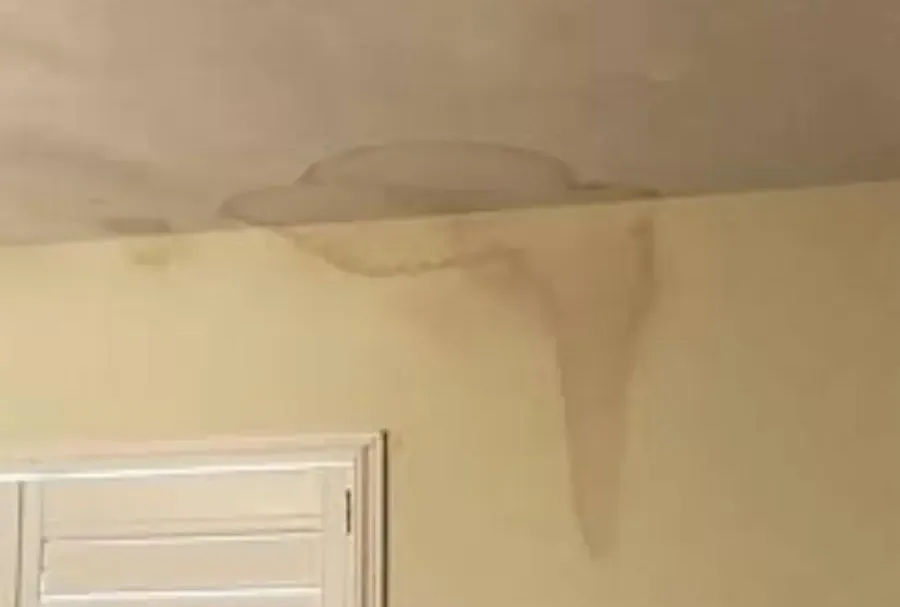
Sloped framing and joints can carry water away from its entry point. Inspection considers accessible roof space and the ceiling below, comparing visible marks with moisture readings. An exterior opening and an interior stain may require different access routes, so roof repair and restoration personnel need a clear handoff about what was found.
Document the property without guessing the event
Stratmoor Valley Park connects to Fountain Creek Regional Trail, and county directions name Corning Drive among the approach roads. Those local places help orient a property request. The useful loss account concerns the actual building: when indoor water appeared, which ceiling changed and whether an exterior repair has already been completed. Photographs of those conditions help preserve the sequence before wet finishes are removed.
- Keep the date of the first indoor drip with photographs of the affected ceiling.
- Describe accessible attic areas and any stored belongings that obstruct inspection of wet materials.
- Provide roof repair findings so the interior assessment can follow the identified entry route.
- Avoid entering roof spaces with uncertain footing, wet electrical equipment or weakened ceiling surfaces.
Drying needs access to the retained assembly
Insulation that holds water against framing can restrict drying and conceal the full extent of wetting. Its condition determines whether it can remain. Damaged ceiling finishes also need assessment for strength and cleanability. Removal should create useful access while preserving sound material wherever the circumstances allow.
The drying record should identify the inspected locations, the layers retained and the readings used to assess progress. A room can look restored after paint even while concealed material remains damp. Closing the ceiling follows the material assessment and repair coordination, with unresolved entry or access issues clearly assigned before finishes hide them.
Roof leak water damage service area
Roof leak interior assessments serve Stratmoor properties with wet ceilings, attic materials or adjoining walls. Mention roof repair status and available attic access when describing the damage and arranging the restoration inspection.
The same service nearby: roof leak water damage in Fountain, Security-Widefield, Colorado Springs.
Roof Leak Water Damage questions in Stratmoor, CO
Does this scope include repairing the roof?
Exterior repair and interior restoration are separate tasks. The written estimate should identify responsibility for stopping entry and for handling the resulting wet building materials.
Why is the drip away from the entry?
Water can follow decking joints or framing before it reaches the ceiling. Inspection traces accessible materials instead of assuming the stain sits beneath the opening.
Can a bucket solve the interior problem?
It catches a visible drip but cannot recover water absorbed above the room. Insulation, framing and finishes still need assessment after the entry is controlled.
Should an occupant inspect the attic?
Only safe access is appropriate. Wet electrical components, uncertain footing and damaged ceilings require qualified assessment before anyone enters or disturbs materials above the room.
Must all wet insulation be replaced?
The decision depends on saturation, condition and the ability to dry the assembly. The scope should explain retained and removed materials with supporting observations.
When should ceiling paint be applied?
Finish work follows source correction, material assessment and drying. Painting earlier can conceal continuing dampness and make the next inspection harder without resolving the underlying damage.
Address the wet layers beneath the repaired roof
Arrange an interior assessment of insulation, framing and finishes before the damaged ceiling is closed and the visible stain is painted over.