Colorado Springs Hardwood Floor Water Damage
Raised board edges can reveal uneven moisture across a wood floor. Colorado Springs hardwood recovery checks both the visible boards and the substrate, then plans access and drying around the assembly rather than its appearance alone.
(888) 532-8620Assess the wet wood floor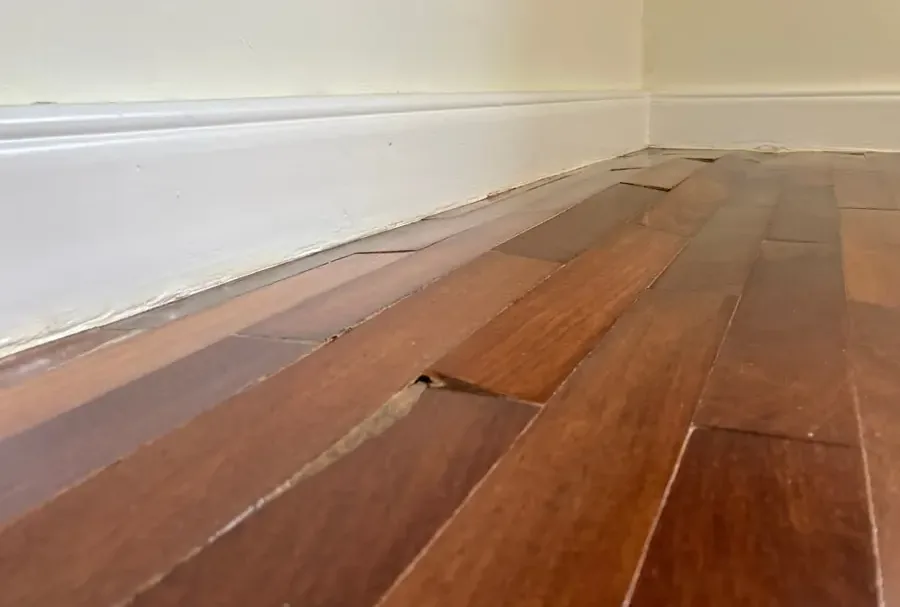
First steps for hardwood floor water damage
- Stop further water exposure
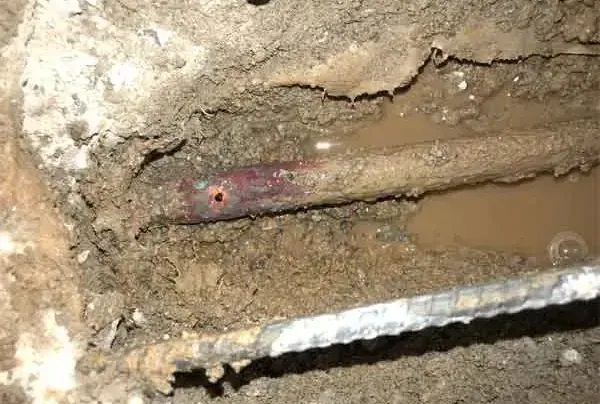
The source needs repair or safe isolation before the floor can make drying progress. Continued leakage beneath a covering can enlarge the affected area without a new puddle.
- Keep loads off distorted sections
Raised boards and loose edges can create an uneven walking surface. Occupants should avoid moving heavy furniture over damaged areas before the floor condition is assessed.
- Document visible board changes
Photographs of cupping, gaps and staining record the floor before removal or drying alters its appearance. Nearby trim and thresholds can be included in those images.
- Hold off on sanding decisions
Refinishing should follow assessment of the retained wood and substrate. The drying assessment provides a better basis for choosing repair, selective replacement or broader floor work.
A wood floor can change shape while its top surface feels nearly dry. Moisture differences through the boards and beneath them can make the joints and edges move unevenly. The restoration assessment should therefore connect visible distortion to readings and access below the surface before a sanding or replacement decision is made.
What does hardwood floor water damage cost in Colorado Springs, CO?
Colorado Springs hardwood recovery costs depend on contamination, substrate access and the area of affected boards. The estimate should distinguish extraction and drying from selective removal, replacement flooring and later finish work needed after the moisture assessment.
- Small board area
- Accessible perimeter checks
- Focused moisture tracking
- Layered assembly assessment
- Adjoining threshold access
- Expanded drying arrangement
- Damaged section lifting
- Exposed substrate work
- Multiple material checks
Water category, affected area, material class and delay before drying change the scope.
Source correction and reconstruction may require separate agreements. These planning ranges are not quotes. Compare the inputs in the water damage cost calculator.
How the hardwood floor water damage work progresses
The IICRC S500 drying standard ties equipment decisions to material measurements. The project record tracks the source, removal choices, daily conditions and the final moisture comparison.
- 01
Map distortion and water contact
The inspection records cupping, staining and the reported leak path. Readings at accessible locations help relate visible board changes to moisture in the floor assembly.
- 02
Evaluate retention and access
The condition of boards and underlying layers determines which sections can remain. Necessary removal is identified where damage, contamination or drying barriers prevent a suitable recovery path.
- 03
Dry the retained floor materials
Equipment is selected for the assembly and available access. Follow-up checks track the wood and substrate rather than relying only on the appearance of the upper finish.
- 04
Assess repair options after drying
The remaining floor is assessed for condition and repair readiness. The record explains replacement needs and areas requiring further attention before the room is restored.
Compare the wet area with adjoining flooring
For a floor in North End, the inspection can map the first wet area and follow the board joints toward nearby rooms. A doorway or change in finish may conceal water at the edge of the assembly. Unaffected material, where available, helps provide a useful comparison for the condition of the exposed area.
- Rugs and furniture may conceal distorted boards or moisture that remains at the finish surface.
- Water beneath a continuous floor can extend past the room containing the original leak.
- Subfloor access affects how retained moisture is assessed and how drying equipment is arranged.
- Contamination can change the decision about which boards and underlayers are suitable to keep.
Let access determine the drying approach
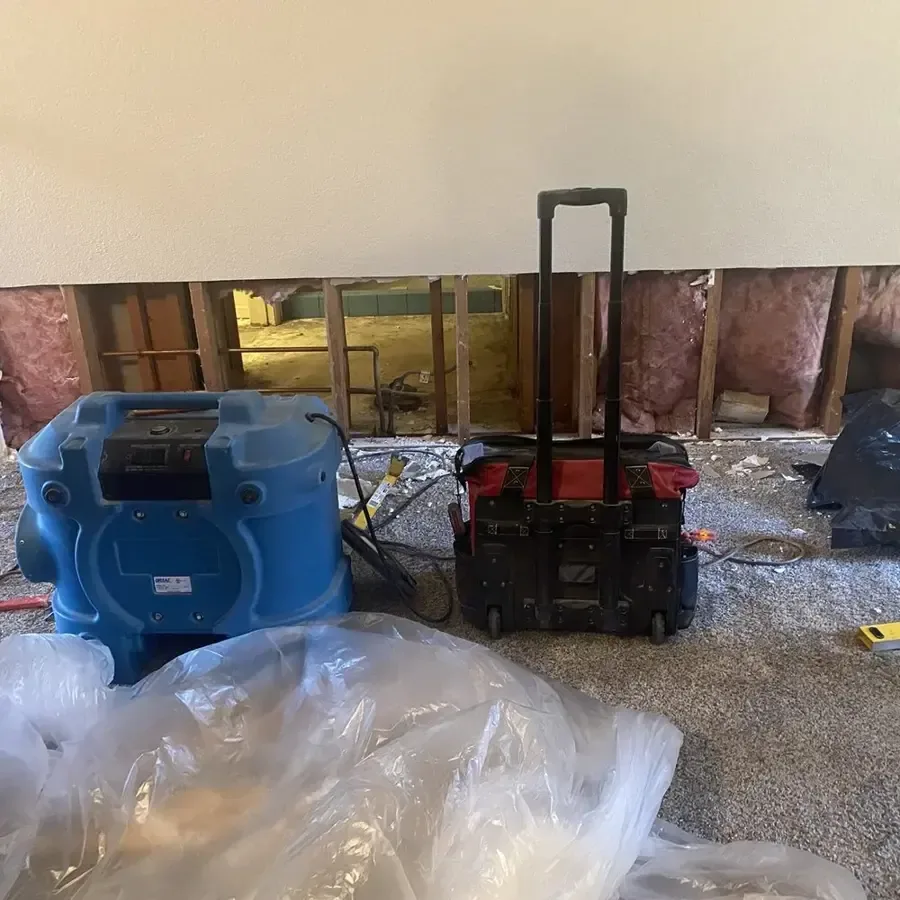
A property in Skyway or Ivywild needs a plan for the actual floor layers present. Air blowing across the finished surface may not reach the damp substrate. Selective lifting can be necessary when damage or a barrier prevents effective access. The reason for any removal should be explained in terms of the observed assembly and its condition.
Separate drying from cosmetic correction
Early sanding can address the appearance before the moisture balance is understood. The floor should first be assessed through the drying process, including changes at the joints and the condition of adjoining trim. Finish repair decisions become clearer when the retained wood and substrate have been assessed together.
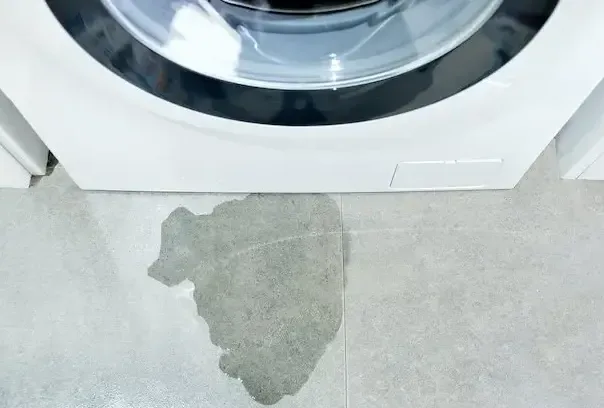
The closing record should identify any removed sections, measurements from retained materials and areas needing replacement. If the original source was an appliance, cleanup around the machine should include the floor beneath its footprint. That coordination helps prevent a repaired appliance or cabinet from concealing a damp edge that still needs work.
Hardwood floor water damage service area
Wood floor assessments for Cheyenne Canon, East End and Knob Hill consider the floor construction actually present. Board distortion, adjoining surfaces and source repair status help establish the inspection and drying scope.
The same service nearby: hardwood floor water damage in Fountain, Stratmoor, Manitou Springs.
Water damage restoration in Colorado Springs · every town covered
Hardwood Floor Water Damage questions in Colorado Springs, CO
Will cupped boards always need replacement?
The decision depends on damage, contamination and moisture conditions. Assessment during drying helps identify which sections can remain and which require removal or later replacement.
Can sanding start while boards are wet?
Moisture changes can alter the floor shape. Sanding decisions should follow evaluation of the retained boards and substrate after the necessary drying work.
Why inspect an adjoining room?
Water can travel along or beneath continuous flooring. Checking the next room helps identify affected layers beyond the original leak area or visible stain.
Does a dry finish mean dry wood?
The top surface can differ from the lower board and substrate. Material checks help establish whether moisture remains beneath the finish or inside the assembly.
Can rugs stay on the affected floor?
Coverings may obstruct inspection and evaporation. Their condition and removal should be assessed so the floor can be assessed without transferring water elsewhere.
What determines selective board removal?
Access barriers, damage and contamination influence the choice. Removal should have a clear purpose, such as exposing a wet substrate or discarding unsuitable material.
Make the repair decision after the moisture assessment
A considered recovery plan accounts for the boards, substrate and access needs before sanding, replacement or new trim conceals the affected floor edges.