Colorado Springs Slab Leak Water Damage
An unexplained damp floor calls for a source investigation before broad demolition begins. Colorado Springs slab leak cleanup evaluates the finish, the layers beneath it and nearby wall bases once the leaking supply has been located.
(888) 532-8620Assess the concealed floor moisture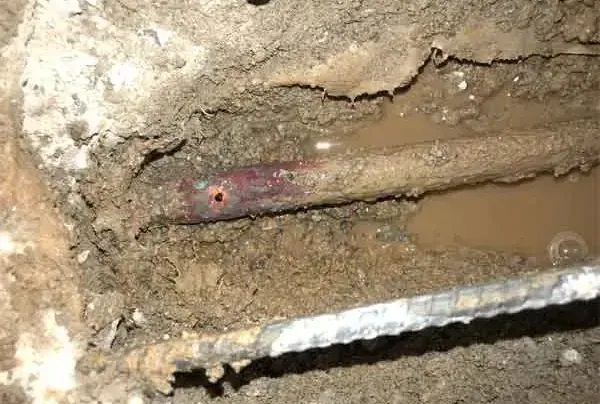
First steps for slab leak water damage
- Describe the recurring dampness
The owner can note where the floor first changed, which adjacent finishes feel affected and whether moisture returns after surface cleanup, without opening concealed materials personally.
- Coordinate leak location safely
The source investigation should establish where repair access is needed. Cleanup can then account for exposed layers and any water remaining around the repaired supply section.
- Preserve the damaged floor record
Photographs of stains, lifted edges and wall-base changes provide a useful comparison before finishes are removed. Loose belongings can be separated from the affected work area.
- Keep replacement work on hold
New finishes should follow assessment of the substrate and drying needs. A covered wet layer is harder to inspect and may undermine the planned floor repair.
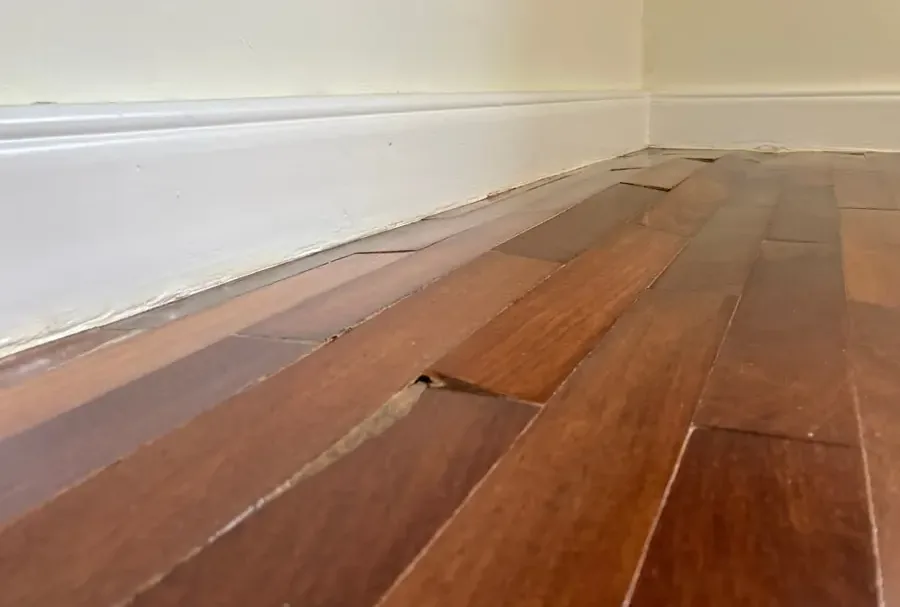
A dark flooring seam or recurring damp patch can be more useful than the apparent size of the stain. Moisture may be held between layers, leaving the top surface only slightly changed. The first restoration decision is how to identify the wet assembly while coordinating the separate work needed to locate and repair the source.
What does slab leak water damage cost in Colorado Springs, CO?
Colorado Springs slab leak cleanup pricing reflects access beneath the floor, the spread into wall bases and the materials selected for removal. The written scope should identify drying work separately from leak location, pipe repair and replacement finishes.
- Small affected footprint
- Accessible finish edges
- Localized drying arrangement
- Wet perimeter materials
- Selective trim removal
- Several layered surfaces
- Extensive hidden exposure
- Restricted cabinet access
- Expanded substrate drying
Water category, affected area, material class and delay before drying change the scope.
Source correction and reconstruction may require separate agreements. These planning ranges are not quotes. Compare the inputs in the water damage cost calculator.
How the slab leak water damage work progresses
The IICRC S500 drying standard ties equipment decisions to material measurements. The project record tracks the source, removal choices, daily conditions and the final moisture comparison.
- 01
Map the floor changes
The inspection relates visible staining and material readings to the room layout. Adjoining wall bases and changes in floor finish help define useful access points.
- 02
Assess the source repair area
Once the leak is controlled, exposed materials are checked for retained water. The restoration boundary is expanded when moisture extends beyond the plumbing access opening.
- 03
Open the necessary drying paths
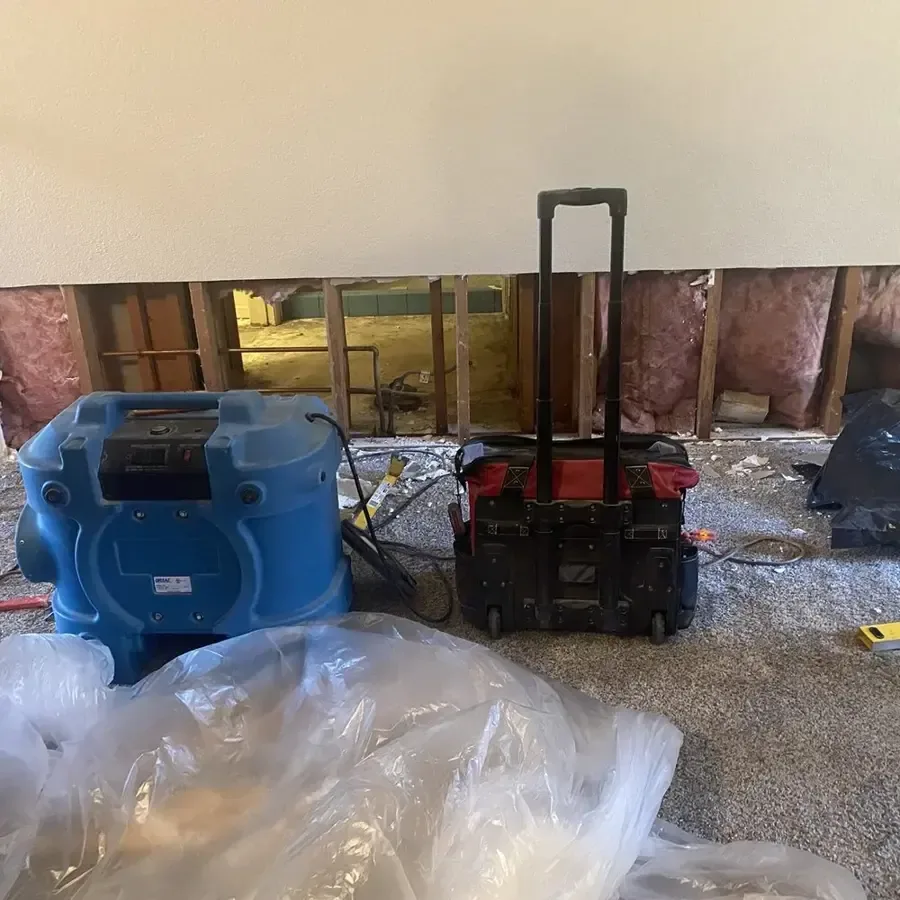
Damaged or obstructing finish layers are identified for removal. The remaining assembly receives equipment positioned to reach the damp substrate and adjoining absorbent materials.
- 04
Evaluate the uncovered layers
Follow-up readings track the retained floor materials. The closing assessment identifies whether the substrate is ready for the next repair stage or needs continued drying attention.
Use room conditions to define the investigation
At a property in Ivywild, the assessment can start with a record of where dampness was first noticed and how it changed. The same room might contain several flooring materials, each requiring its own inspection. A tile surface, adjacent wood threshold and wall base should not be treated as interchangeable drying surfaces.
- A lifted finish can expose moisture that remains hidden beside an apparently dry area.
- Wall trim may hold water against absorbent material at the floor edge.
- Cabinets can restrict access to damp layers beneath a continuous floor covering.
- The source repair opening may be smaller than the area requiring restoration work.
Separate pipe access from finish removal
For a Skyway or Cheyenne Canon home, opening the floor should follow findings at that property. The source specialist determines access to the leaking pipe; the cleanup assessment determines where wet finish materials need attention. Keeping those purposes clear helps avoid closing the repair area while surrounding layers still need inspection or drying. Photographs taken during access work can preserve details that later become concealed.
Prepare the assembly for its next finish
The remaining floor needs a drying approach compatible with its materials and access. Moisture beneath a low permeability finish may require removal to expose the substrate. Equipment placement should serve those exposed layers rather than simply blowing air across the visible stain.
Before replacement flooring is installed, the owner should receive a clear account of the affected area and any unresolved moisture. Wood floor assessment may be part of that assessment when boards show distortion. The conclusion should connect the drying results to the materials that will remain beneath the repaired floor.
Slab leak water damage service area
Slab leak restoration planning in North End, East End and Knob Hill begins with the actual floor assembly at the property. Observed moisture, repair access and adjoining finishes shape the cleanup discussion.
The same service nearby: slab leak water damage in Fountain, Stratmoor, Manitou Springs.
Water damage restoration in Colorado Springs · every town covered
Slab Leak Water Damage questions in Colorado Springs, CO
Does a damp floor always mean a slab leak?
Several sources can create similar symptoms. Locating the source helps distinguish a concealed supply leak from nearby appliance discharge, surface entry or another water path.
Must the whole floor be opened?
The affected materials and source location determine access. Inspection may identify a limited area, while broader readings can justify opening additional wet layers for drying.
Who handles the leaking pipe?
The source repair is a separate plumbing task. Restoration planning addresses water and material damage around that work, including areas beyond the repair opening.
Why check the wall base?
Water beneath flooring can contact trim and absorbent wall material. Those edges may remain damp after the open floor surface appears ready for use.
Can a rug cover the damp patch?
Covering the area can interfere with observation and evaporation. The floor should remain available for inspection until the source and affected layers have been assessed.
When is new flooring appropriate?
The retained substrate needs assessment against the drying and installation requirements. Closing the floor follows source control and confirmation that remaining materials are ready.
Bring concealed moisture into the repair plan
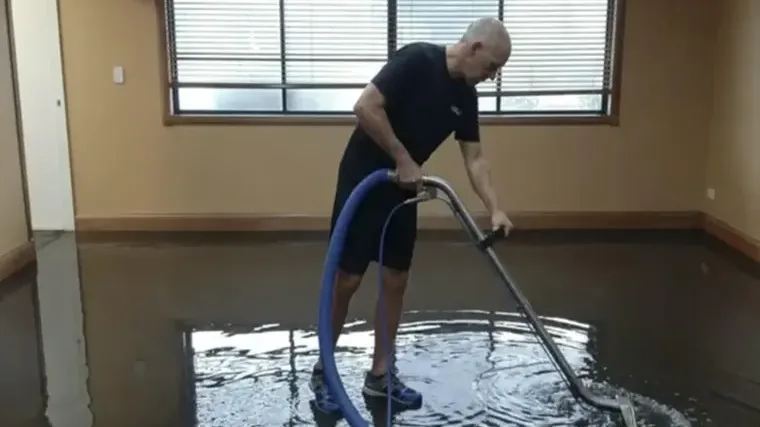
A useful cleanup scope accounts for the substrate, floor edges and access needed before replacement materials cover the affected area again.