Security-Widefield Water Extraction
A puddle spreading through a doorway needs more than towels. Water extraction in Security-Widefield starts with the source, safe access and a plan for moisture trapped beneath the visible surface.
(888) 532-8620Arrange puddle removal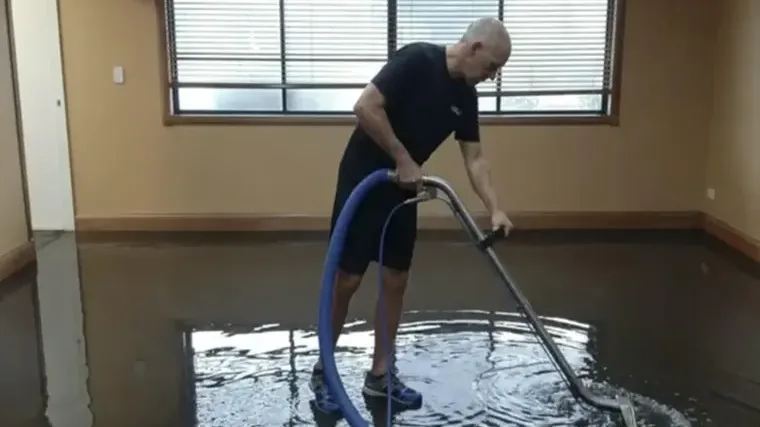
First steps for water extraction
- Keep the wet route clear
Occupants should stay away from submerged electrical equipment and keep children and pets out of the affected room until access has been assessed.
- Limit new water
An accessible supply shutoff can help stop a fixture discharge when it can be reached safely. Drain backups require suspended fixture use instead.
- Record the visible spread
Photographs from a dry position should show the source area, adjoining thresholds and affected belongings before items move or water obscures additional details.
- Describe the lowest collection point
The initial report should identify where water gathers, whether it is still rising and which adjoining rooms appear wet beneath furniture or cabinets.
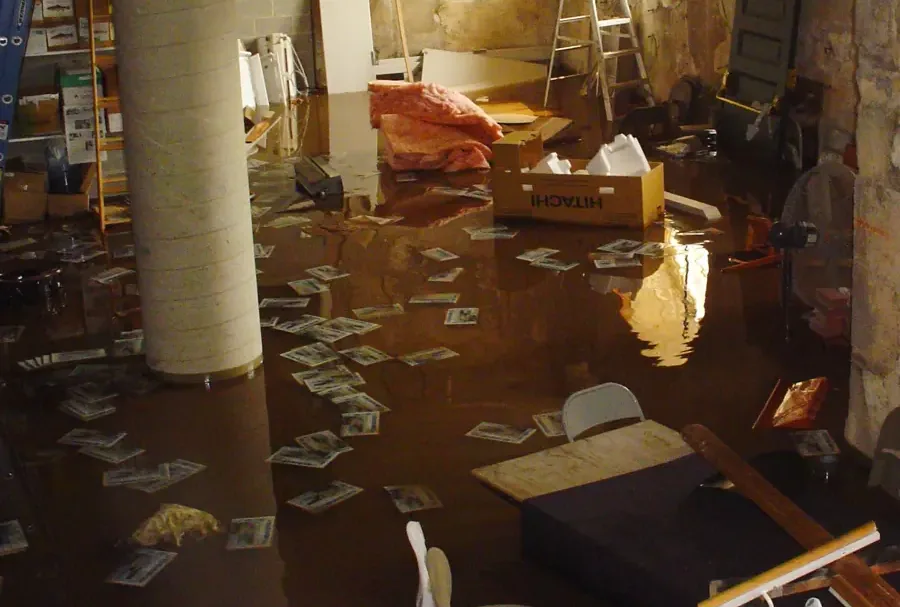
The first decision is what entered the building. Supply water escaping from a fixture requires a different cleanup approach from water rising through a drain. In Security, that distinction helps organize the first inspection before hoses cross a room or furniture moves through a wet doorway. The source must be controlled while removal begins.
What does water extraction cost in Security-Widefield, CO?
Water extraction costs in Security-Widefield depend on accessible depth, affected rooms and the handling needed for dirty water. The inspection also separates initial removal from damaged material removal and the drying work that follows.
- Accessible puddle removal
- One contained area
- Initial surface checks
- Linked room extraction
- Wet threshold assessment
- Broader equipment placement
- Restricted work access
- Dirty water handling
- More extensive removal
Water category, affected area, material class and delay before drying change the scope.
Source correction and reconstruction may require separate agreements. These planning ranges are not quotes. Compare the inputs in the water damage cost calculator.
How the water extraction work progresses
The IICRC S500 drying standard ties equipment decisions to material measurements. The project record tracks the source, removal choices, daily conditions and the final moisture comparison.
- 01
Classify the incoming water
The inspection follows the source and evaluates contacted materials so extraction methods match the condition of the water and the occupied space.
- 02
Recover accessible standing water
Removal equipment reaches open floor areas first, then edges and recesses, while discharge arrangements prevent collected water from returning to the building.
- 03
Inspect below the visible surface
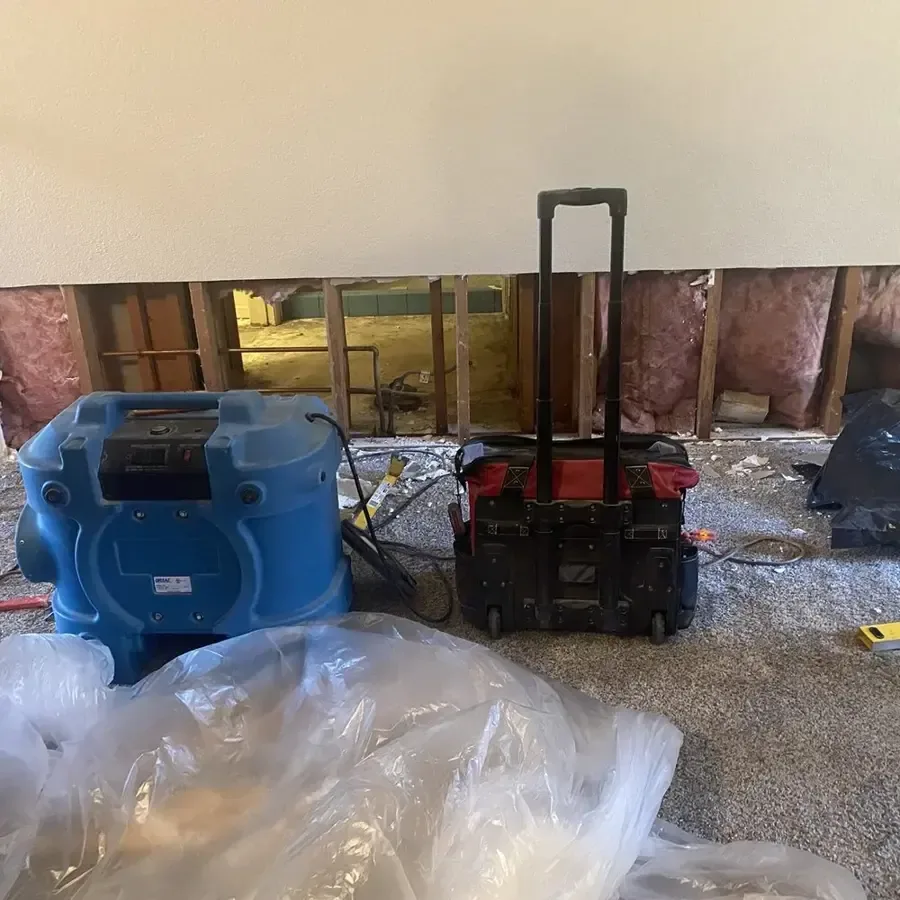
Floor transitions, wall bottoms and cabinetry receive closer attention where trapped water could undermine an otherwise successful removal from the main room.
- 04
Set the drying handoff
The remaining wet materials are documented with measurements and a drying scope, giving the homeowner a clear record of what still needs attention.
Identify the supply or drain problem
Fontaine Boulevard runs through the community, where water service involves both Security Water and Sanitation District and Widefield Water and Sanitation District. The property account helps identify the relevant provider. A street location alone should not decide which district receives a report about a suspected system problem.
- Clear water can still carry dirt picked up from the floor and furnishings.
- A drain overflow needs restricted access and assessment before ordinary household cleanup begins.
- Wet carpet edges can hide saturated padding even after the surface looks improved.
- Water beneath cabinets may continue feeding nearby wall bases after visible puddles disappear.
Remove water without spreading the loss
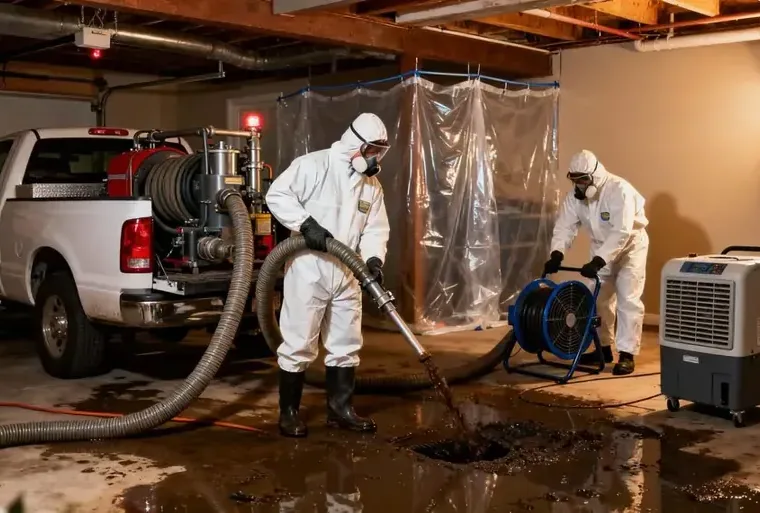
Widefield Water and Sanitation District directs households to stop sending water into drains during a backup. That includes avoiding another fixture test while wastewater is already escaping. A plumber addresses the obstruction, and the district can check its main sewer after a report. Extraction work should keep the dirty area separate from dry rooms, with discharge handled appropriately. Household fans should not blow across an unassessed contaminated area.
In Widefield, an extraction assessment can follow water from a laundry floor into an adjoining hall. That example calls for checking the threshold and underlying layers, not just the deepest puddle.
Plan the work after the floor clears
The technician records which surfaces were wet and checks accessible wall bases, floor seams and furniture contact points. Some finishes can remain while drying proceeds; materials that are damaged or contaminated may need removal. The scope should explain those decisions before rebuilding covers the affected area.
Extraction is the first physical removal step. Structural drying then addresses moisture still held inside materials. A dry looking tile face or painted wall does not end that work. Follow-up measurements show whether the remaining assembly is progressing toward the drying target.
Water extraction service area
Extraction assessments cover the unincorporated community, including Security and Widefield. Describing the property near Fontaine Boulevard or Grinnell helps establish access while the utility account identifies the water provider for that building.
The same service nearby: water extraction in Fountain, Stratmoor, Colorado Springs.
Water damage restoration in Security-Widefield · every town covered
Water Extraction questions in Security-Widefield, CO
Is pumping enough to finish the cleanup?
Pumping addresses collected water. Padding, wood and wall cavities can retain moisture afterward, so material checks determine whether drying or removal must continue.
Can clear water be treated as harmless?
The cleanup category depends on the source and the materials the water contacted. The source, time in the building and materials contacted all affect how the loss is handled.
Should furniture move before extraction?
Light belongings may be protected from a safe dry area. Heavy wet furniture and items beside electrical hazards should remain until access is assessed.
What if several drains overflow together?
Suspend fixture use and report the pattern. A plumber can investigate the property drainage while the district checks for a main sewer problem.
Will every carpet need removal?
The decision depends on contamination, backing, padding and condition. Extraction may help recover some assemblies, while others require removal for effective cleaning and drying.
What information helps the first visit?
Useful details include the suspected source, affected rooms, remaining water depth and whether the supply has stopped. Photos can show changes before inspection.
Move from pooled water to measured drying
A clear extraction scope identifies accessible water, hidden wet layers and the next drying steps for the affected rooms.