Security-Widefield Structural Drying
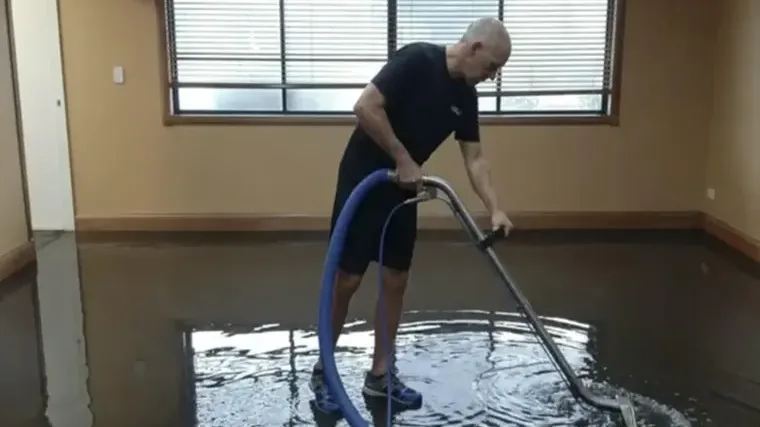
Removing a puddle leaves moisture inside the building assembly. Structural drying in Security-Widefield uses repeated material readings to direct airflow, dehumidification and access until the retained wet areas reach suitable conditions for repair.
(888) 532-8620Assess the remaining structural moisture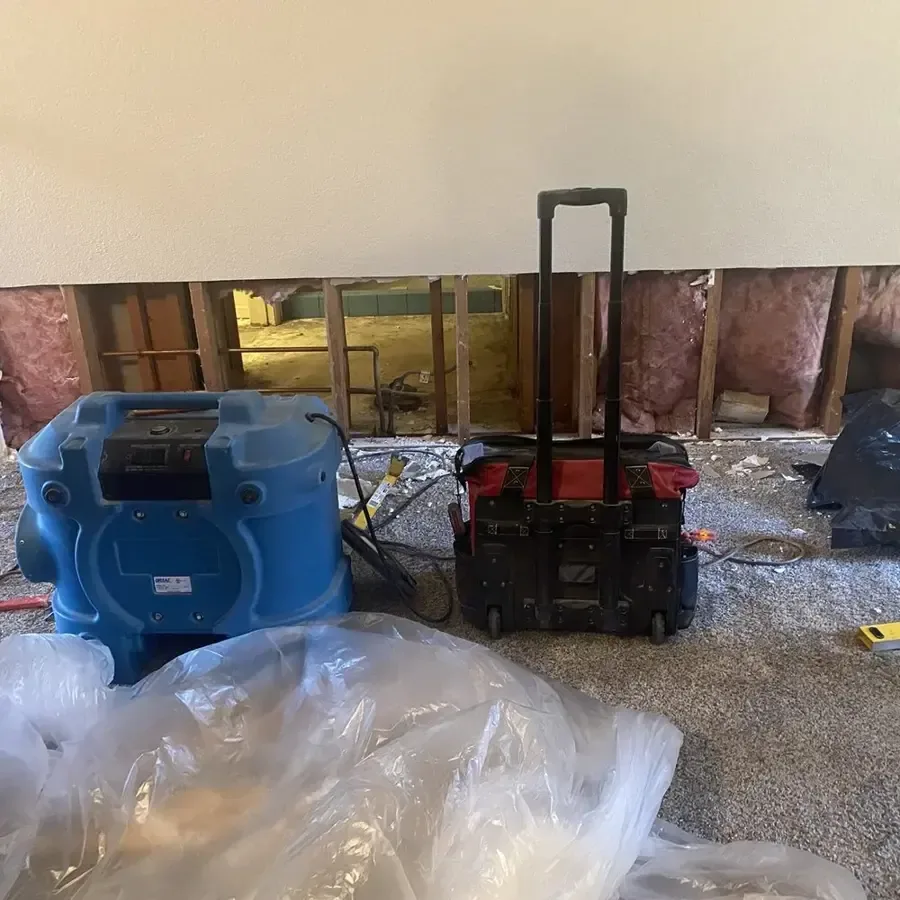
First steps for structural drying
- Confirm the source has been controlled
Drying cannot progress reliably while new water continues entering. The inspection should identify the repair status and any remaining source questions before setting the equipment plan.
- Keep the drying area accessible
Furniture placement and stored belongings should allow safe access to affected materials and equipment. Occupants should avoid blocking airflow or moving machines without discussing the work plan.
- Describe changes between inspections
New wet marks, returning puddles or unusual equipment behavior should be reported. These observations help the technician investigate conditions that may interrupt progress within the retained assembly.
- Wait for the repair handoff
Paint, insulation and replacement flooring should follow moisture results rather than surface appearance alone. The completion record should identify the assembly areas ready for the next contractor.
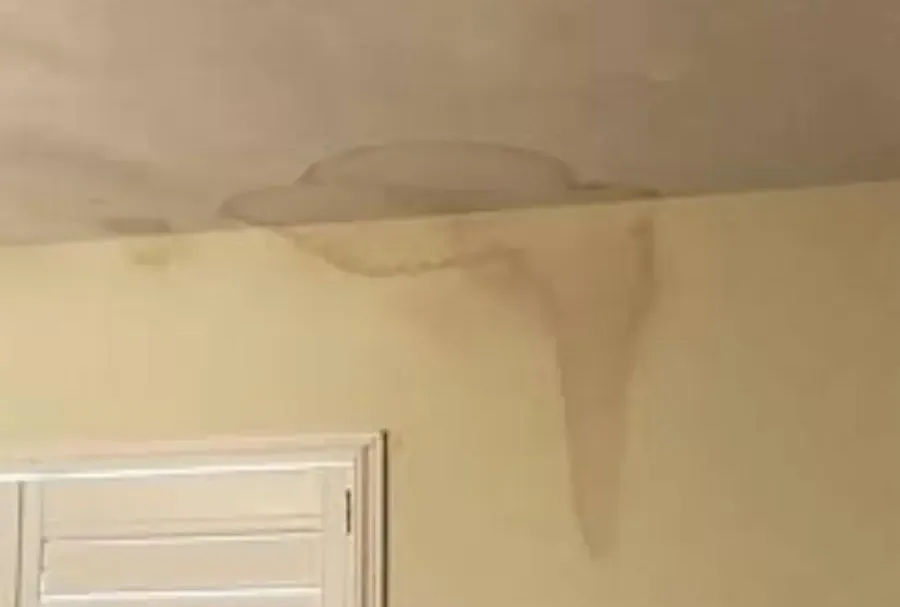
A quiet room can still contain wet framing behind the wall finish. Structural drying makes that remaining moisture part of a measurable work plan. The technician identifies retained materials, establishes appropriate targets and follows their progress. Airflow and dehumidification work together, while selective access addresses layers that cannot release moisture effectively through a closed surface.
What does structural drying cost in Security-Widefield, CO?
Structural drying costs in Security-Widefield depend on retained material volume, access and monitoring needs. A focused room can require less equipment than dense connected layers, while continuing moisture or additional openings can change the drying scope after inspection.
- Accessible wet materials
- Limited equipment layout
- Focused progress readings
- Linked cavity moisture
- Broader air control
- Multiple measurement locations
- Restricted evaporation access
- Selective material exposure
- Expanded monitoring work
Water category, affected area, material class and delay before drying change the scope.
Source correction and reconstruction may require separate agreements. These planning ranges are not quotes. Compare the inputs in the water damage cost calculator.
How the structural drying work progresses
The IICRC S500 drying standard ties equipment decisions to material measurements. The project record tracks the source, removal choices, daily conditions and the final moisture comparison.
- 01
Establish a material moisture baseline
Initial readings map the retained wet assembly and available unaffected comparison areas, making the starting condition clear before equipment changes the room's temperature and humidity.
- 02
Create a controlled drying environment
Air movers and dehumidification are arranged around the actual exposed materials. The setup accounts for access, power safety and occupied areas that need to remain usable.
- 03
Adjust work to the measured trend
Follow-up readings reveal progress and sheltered wet pockets. Equipment positions, containment or selective openings can change when the observed material response calls for a different approach.
- 04
Record the endpoint and repair needs
The closing assessment documents retained material conditions and remaining finish work, giving the homeowner and repair contractor a practical basis for closing cavities or reinstalling affected surfaces.
Choose targets for the inspected assembly
Security-Widefield is an unincorporated community governed by El Paso County. Within Security and Widefield, a property near Fontaine Boulevard may have any of several room layouts or finish combinations. Drying decisions begin with the actual exposed assembly and available comparison readings from unaffected material.
The inspection should name the wet framing, floor layers and backing that will remain. A ceiling cavity has different access needs from an open room floor. Equipment placement should reflect those differences instead of treating every wet surface as if it responds to the same airflow pattern.
Make measurements useful for decisions
- Record the location of readings so progress can be compared at the same material.
- Check sheltered recesses when open framing dries faster than enclosed adjoining layers.
- Investigate a stalled reading for continued leakage or limited access to the wet area.
- Explain any new opening before damaged finishes are removed to improve drying access.
Material readings show how each affected layer responds to the drying equipment operating in the room. Measurements should connect the equipment setup to the material condition. If moisture stays elevated beneath a cabinet or behind dense backing, the plan may need a different access point or equipment arrangement. That adjustment should be recorded so the homeowner understands why the work changed.
Finish with a record that supports rebuilding
Where the source involved a drain backup, cleaning and material removal precede the final retained assembly drying plan. Widefield Water and Sanitation District advises stopping drain use while a clog remains, limiting the chance that additional wastewater enters during recovery.
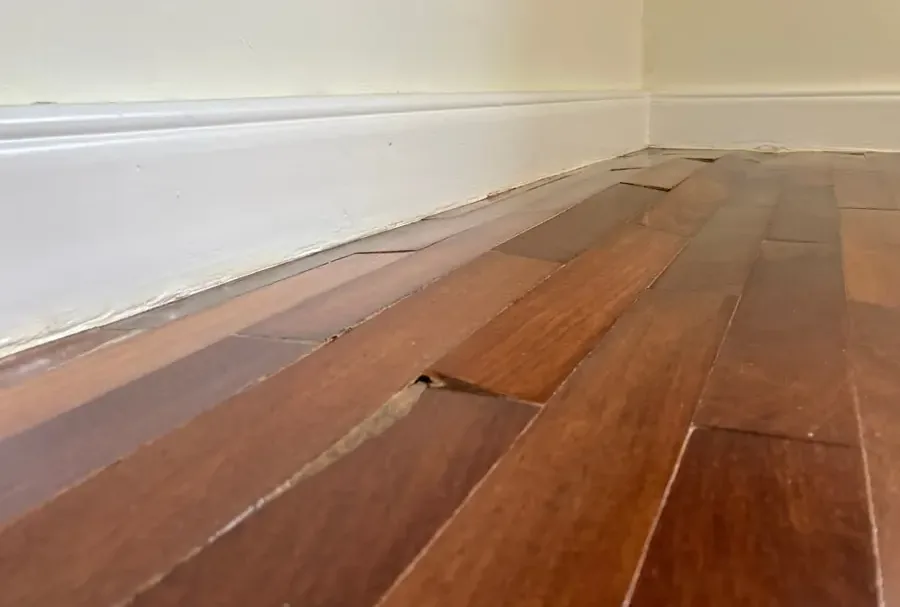
The drying handoff should identify completed source work, material results and remaining finish tasks. Hardwood floor recovery may require additional product specific decisions before installation or refinishing. The record gives the next contractor a clear picture of the areas that were wet and the condition in which they were left.
Structural drying service area
Measured drying serves buildings in Security and Widefield across the unincorporated community. References near Fontaine Boulevard or Grinnell establish location, while inspection of the retained material assembly determines equipment placement and the monitoring plan.
The same service nearby: structural drying in Fountain, Stratmoor, Colorado Springs.
Water damage restoration in Security-Widefield · every town covered
Structural Drying questions in Security-Widefield, CO
How is the drying target chosen?
The target considers the material, its condition and available unaffected comparisons. A single surface impression cannot replace measurements of the actual assembly that remains wet.
Can equipment be switched off overnight?
Changes should be discussed with the technician because interrupted operation affects the drying environment. The work plan should address noise, safe access and household needs.
Why does one wall need an opening?
A closed finish or saturated backing may obstruct access to retained wet material. Selective openings can make inspection and evaporation possible where surface drying is ineffective.
What if moisture readings stop improving?
The technician should investigate continuing water, sheltered layers and equipment arrangement. A stalled trend may require adjustment rather than simply leaving the same setup unchanged.
Does dry room air mean the framing is dry?
Air conditions and material conditions are different measurements. Framing or substrate can remain wet even after the room feels comfortable and its visible surfaces improve.
What documentation remains after equipment leaves?
The handoff should identify affected areas, material decisions and drying results, along with finish repairs still needed before the previously opened assembly is fully restored.
Make the next repair depend on measured conditions
A clear drying record connects equipment decisions with the retained assembly and identifies when rebuilding can move forward.