Security-Widefield Slab Leak Water Damage
A damp floor that returns after wiping needs a source investigation. Slab leak cleanup in Security-Widefield coordinates plumbing findings with moisture checks beneath finishes and along adjoining walls before repair decisions are made.
(888) 532-8620Investigate returning floor moisture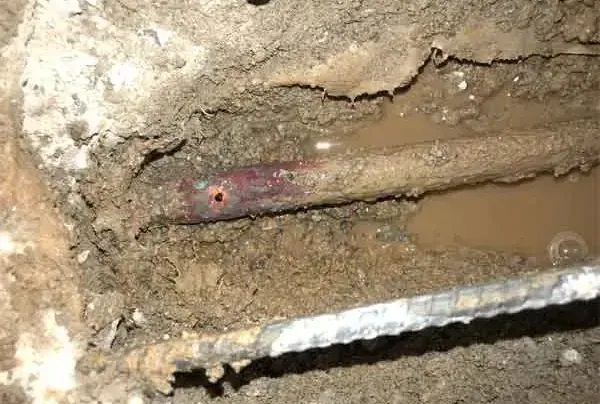
First steps for slab leak water damage
- Record when dampness returns
A simple description of when the floor becomes wet, which fixtures were operating and whether the supply was off helps the plumbing investigation start with useful observations.
- Protect the exposed floor area
Foot traffic should avoid loose or lifted finishes. Rugs and movable belongings can be kept away from the damp area when handling them is safe.
- Arrange source testing first
A plumber can evaluate supply behavior and nearby fixtures before destructive access is considered. The cleanup assessment separately maps moisture in surrounding building materials.
- Preserve the opening record
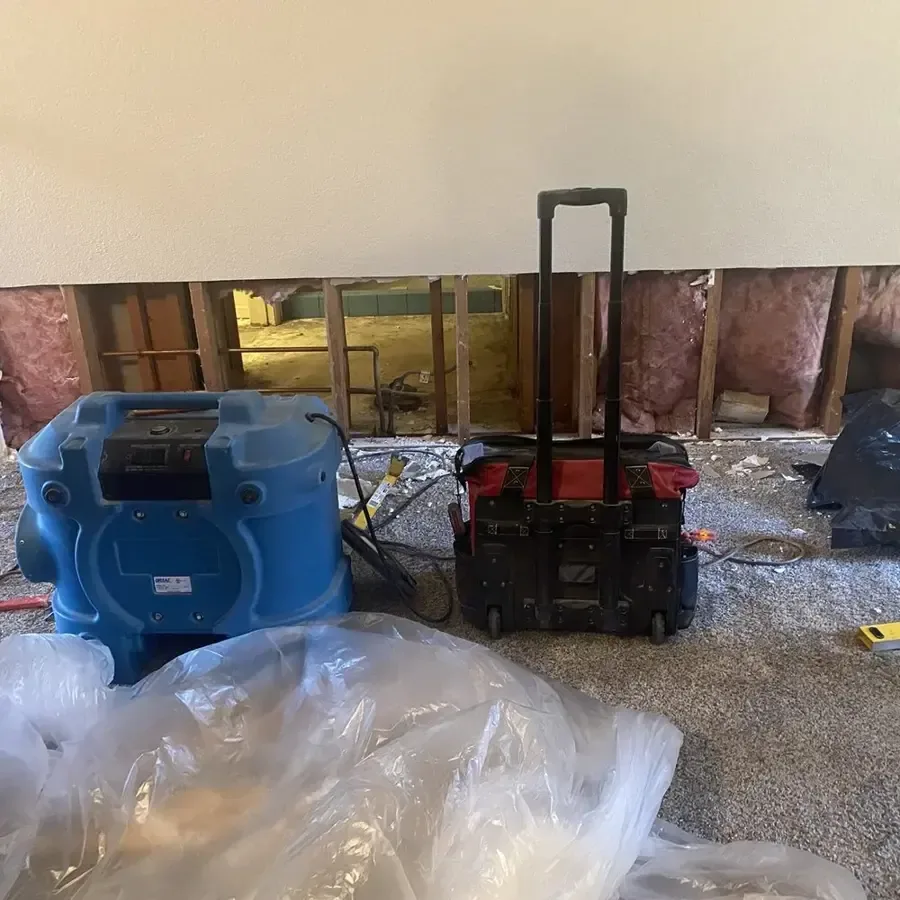
Photos before and after necessary access should show the affected floor layers, wall edges and repair area so restoration decisions remain easy to follow.
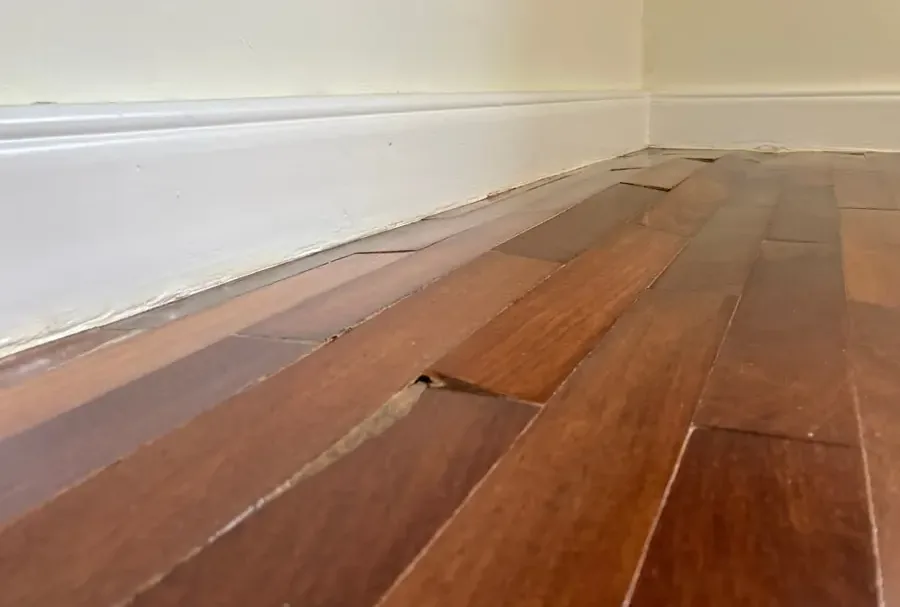
A floor may show a darkened seam, persistent dampness or a loose finish before a concealed leak becomes obvious. Those symptoms call for coordinated investigation. Plumbing tests establish the source, while a moisture survey shows what needs drying. Cutting into the floor should follow those findings rather than the appearance of a single damp spot.
What does slab leak water damage cost in Security-Widefield, CO?
Slab leak damage costs in Security-Widefield vary with the amount of concealed wetting and the access needed to dry floor layers. Plumbing investigation and repair should be identified separately from affected finishes, removal and moisture monitoring.
- Focused substrate checks
- Small finish area
- Accessible moisture control
- Wet perimeter materials
- Selective flooring removal
- Connected cavity drying
- Extensive layer access
- Wider moisture mapping
- Longer monitoring scope
Water category, affected area, material class and delay before drying change the scope.
Source correction and reconstruction may require separate agreements. These planning ranges are not quotes. Compare the inputs in the water damage cost calculator.
How the slab leak water damage work progresses
The IICRC S500 drying standard ties equipment decisions to material measurements. The project record tracks the source, removal choices, daily conditions and the final moisture comparison.
- 01
Map moisture before opening
Inspection readings and visible symptoms establish the affected floor area, with nearby fixtures considered alongside the plumber's source findings before an access decision.
- 02
Coordinate the necessary repair access
The work boundary accounts for the actual pipe repair and damaged floor layers, preserving sound material where it can remain accessible for effective drying.
- 03
Manage moisture in retained layers
Equipment and selective openings address the remaining substrate and wall edges. Repeated measurements reveal whether moisture is leaving the assembly as expected during treatment.
- 04
Document readiness for the next finish
The handoff records remaining material conditions and measured drying results, allowing flooring installation decisions to account for the specific substrate and proposed replacement covering.
Connect utility information with indoor observations
Widefield Water and Sanitation District serves areas east of Grinnell as well as southern and northern sections of the community. Security Water and Sanitation District serves much of the section north of Fontaine Boulevard. A household account identifies the relevant provider when unusual meter behavior or supply questions accompany the wet floor.
In Security, noting whether dampness changes when a fixture operates can help a plumber narrow the investigation. In Widefield, a record of where dampness returns helps the plumber choose the next section of floor to investigate. The building's actual assembly determines how moisture can travel and where inspection access belongs.
Inspect the edge as well as the center
- A wet floor seam may connect to moisture beneath cabinets beside the damaged area.
- Wall trim can conceal swollen backing where water has reached the room perimeter.
- Furniture contact marks help show how long an accessible surface remained damp.
- A neighboring appliance or fixture deserves inspection before floor openings are planned.
The plumbing repair and finish repair should share a clear access plan. If an opening is required, its location, surrounding wet materials and intended restoration boundary should be recorded. That makes it easier to distinguish necessary repair access from additional moisture damage. Loose flooring, adhesive residue and retained underlayment each need their own condition assessment before the surface is rebuilt.
Allow the substrate to meet its target
After the source is controlled, retained flooring layers and adjacent wall bases may still hold moisture. Drying equipment supports evaporation and removes moisture from room air, but inaccessible layers may need selective exposure. Progress is judged by measurements at the affected materials.
Replacement finishes should follow suitable substrate conditions and their installation requirements. Hardwood floor assessment can address wood affected by the same loss. The final drying record should identify the tested areas so the next contractor understands where the original wetting occurred.
Slab leak water damage service area
Floor moisture inspections serve properties throughout Security-Widefield, including areas around Fontaine Boulevard and Grinnell. The community is unincorporated, and the property account helps identify which water district should receive supply related questions.
The same service nearby: slab leak water damage in Fountain, Stratmoor, Colorado Springs.
Water damage restoration in Security-Widefield · every town covered
Slab Leak Water Damage questions in Security-Widefield, CO
Does a damp floor always mean a buried pipe leak?
Other sources can wet the same area. Fixture leaks and nearby appliance discharges need consideration while a plumber investigates whether concealed supply plumbing is involved.
Can the leak be found from the stain alone?
A stain identifies a wet surface, but water can migrate beneath finishes. Plumbing tests and a moisture survey provide a stronger basis for access decisions.
Why check the wall base during a floor loss?
Water spreading below flooring can reach trim and wall backing. Those edges may remain wet after the middle of the room appears to improve.
Is every floor layer removed during cleanup?
Removal depends on damage, contamination and access. Sound materials may stay when they can dry effectively and their condition can be checked during the work.
Who handles the damaged supply pipe?
A plumber investigates and repairs the plumbing. The restoration scope covers affected building materials and coordinates its access and drying work with that repair.
When is new flooring appropriate?
Installation follows suitable substrate moisture conditions and completion of the source repair. The replacement material's requirements help determine readiness beyond the surface appearance alone.
Find the source before rebuilding the floor
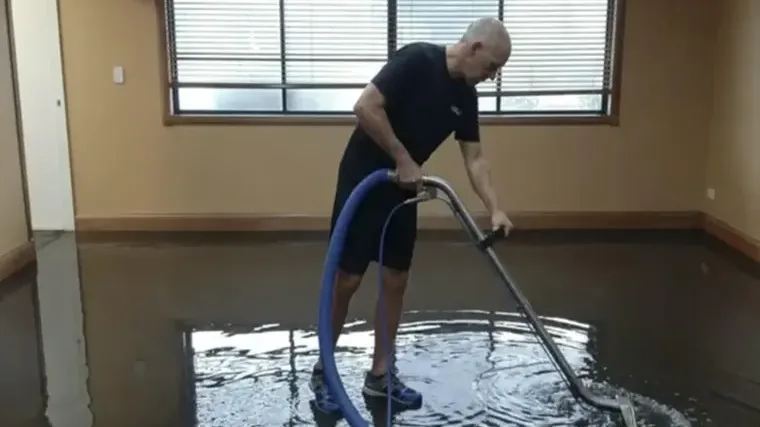
A documented moisture map helps connect the repair opening with the finishes that need drying, removal or later replacement.