Manitou Springs Frozen Pipe Water Damage
A frozen section can conceal a split until water begins moving again. Frozen pipe damage cleanup in Manitou Springs follows the thaw discharge into wall, floor and ceiling materials after the source has been controlled.
(888) 532-8620Discuss water released after thawing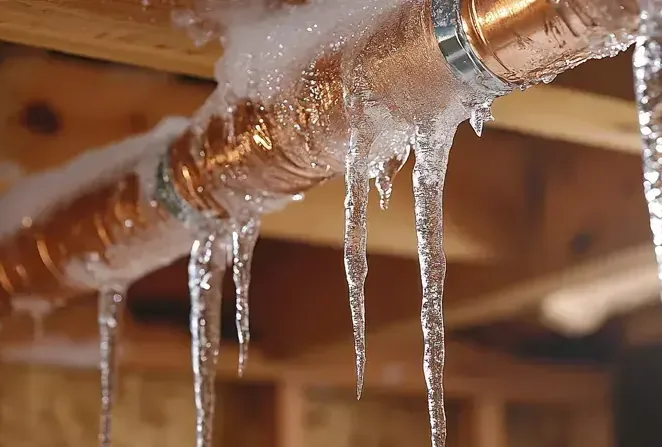
First steps for frozen pipe water damage
- Keep thawing work controlled and safe
Do not apply open flame or improvised high heat to a suspected frozen section. Hidden materials and electrical components can make unplanned thawing work hazardous inside a cavity.
- Limit the supply when safely possible
If a leak begins as flow returns, a safely reachable shutoff can reduce discharge. Avoid entering standing water or reaching through damaged finishes to operate a valve.
- Describe the sequence around the thaw
The assessment benefits from knowing when water flow changed and which room showed the first leak. Include later damp marks that appeared after the obvious discharge stopped.
- Include connected floors and ceiling spaces
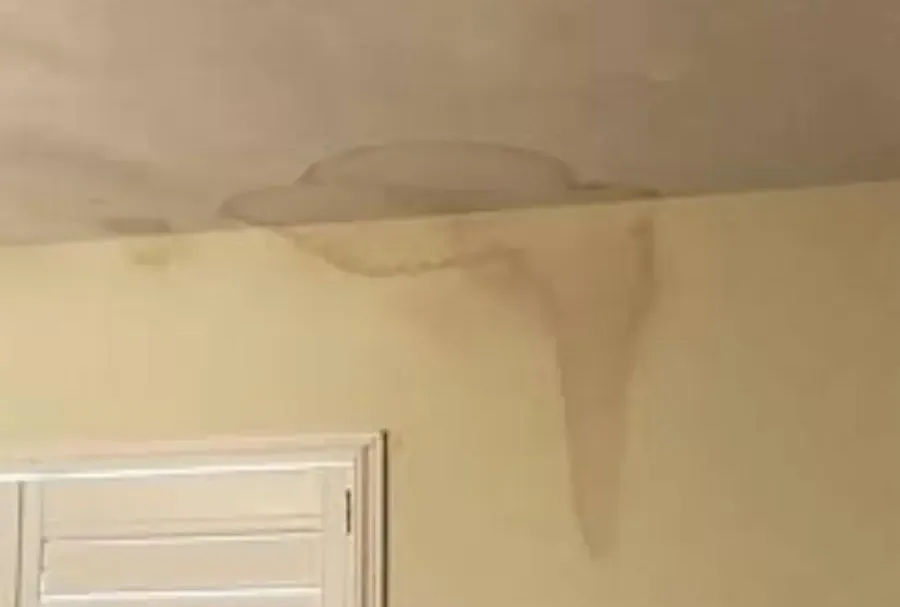
Water may move away from the split before becoming visible. Report adjoining rooms and lower ceilings so cleanup follows the full release rather than only the repaired pipe opening.
Manitou Springs has cool to cold winters and sits at the foot of Pikes Peak. A pipe exposed to freezing conditions needs careful attention when flow returns, because a split may release water only as the ice clears. The cleanup assessment begins with that particular failure and the materials reached by its discharge.
What does frozen pipe water damage cost in Manitou Springs, CO?
Frozen pipe damage cleanup in Manitou Springs depends on the thaw discharge footprint and access to wet cavities. These ranges describe interior restoration; pipe repairs, changes to the source area and final reconstruction should appear as separate tasks in the estimate.
- Small accessible release
- Limited finish exposure
- Focused material assessment
- Damp cavity insulation
- Connected substrate moisture
- Selective finish openings
- Multiple wet rooms
- Lower ceiling involvement
- Broader monitored drying
Water category, affected area, material class and delay before drying change the scope.
Source correction and reconstruction may require separate agreements. These planning ranges are not quotes. Compare the inputs in the water damage cost calculator.
How the frozen pipe water damage work progresses
The IICRC S500 drying standard ties equipment decisions to material measurements. The project record tracks the source, removal choices, daily conditions and the final moisture comparison.
- 01
Connect the failure with released water
The assessment uses the thaw sequence and repair findings to identify the damaged source and trace the water into nearby building layers and connected rooms.
- 02
Inspect insulation and hidden contact areas
Access around the pipe is assessed for saturation, with wet sections recorded where the discharge travelled away from the opening used for the repair.
- 03
Remove damaged layers and dry retained structure
Treatment decisions account for material condition and drying access, allowing sound framing or other retained surfaces to receive directed attention after unsuitable layers are addressed.
- 04
Assess cavity conditions before reconstruction
The closing inspection documents remaining moisture and required repairs so the enclosure is restored only after its retained materials are suitable for the planned finish work.
A thawed pipe may reveal a wider wet area
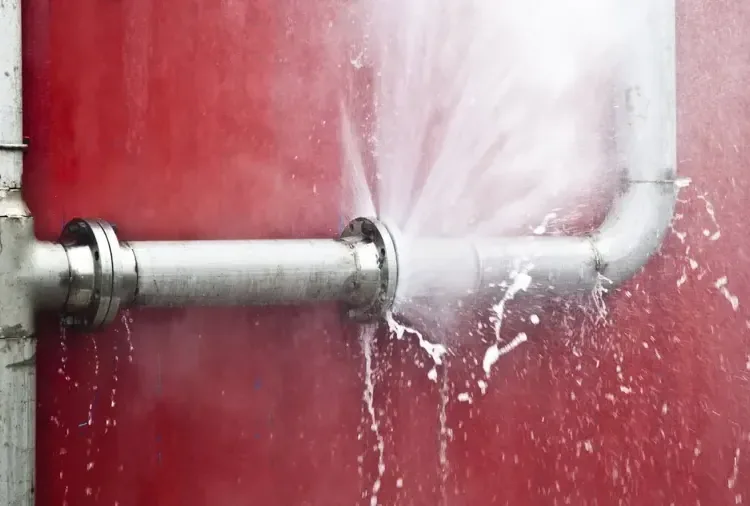
Water inside a wall can descend through openings and reach a floor or lower ceiling before the leak becomes obvious. The inspection should connect the damaged pipe location with that path. A repaired section is the starting point for source control; surrounding insulation and framing still need evaluation for absorbed water.
- Record when flow stopped, when it returned and where water appeared during that change.
- Keep people away from wet electrical fittings or softened finishes below the pipe cavity.
- Avoid direct flame or improvised heating around hidden pipes and nearby combustible building materials.
- Report additional damp spots after repair instead of assuming every split was found immediately.
Use the actual exposure inside the property
Red Mountain borders town to the south, and Crystal Hills is a local neighborhood. For a damaged property in either setting, inspection focuses on where the affected pipe runs, how the cavity is enclosed and which surfaces became wet. Those details determine access and drying needs after the source repair, including any adjoining room reached while the discharge continued.
The repair professional can identify source concerns, while the restoration scope records the separate damage to walls, floors and contents. Keeping those tasks distinct makes the next decisions easier to follow.
Restore the wet assembly before closing it
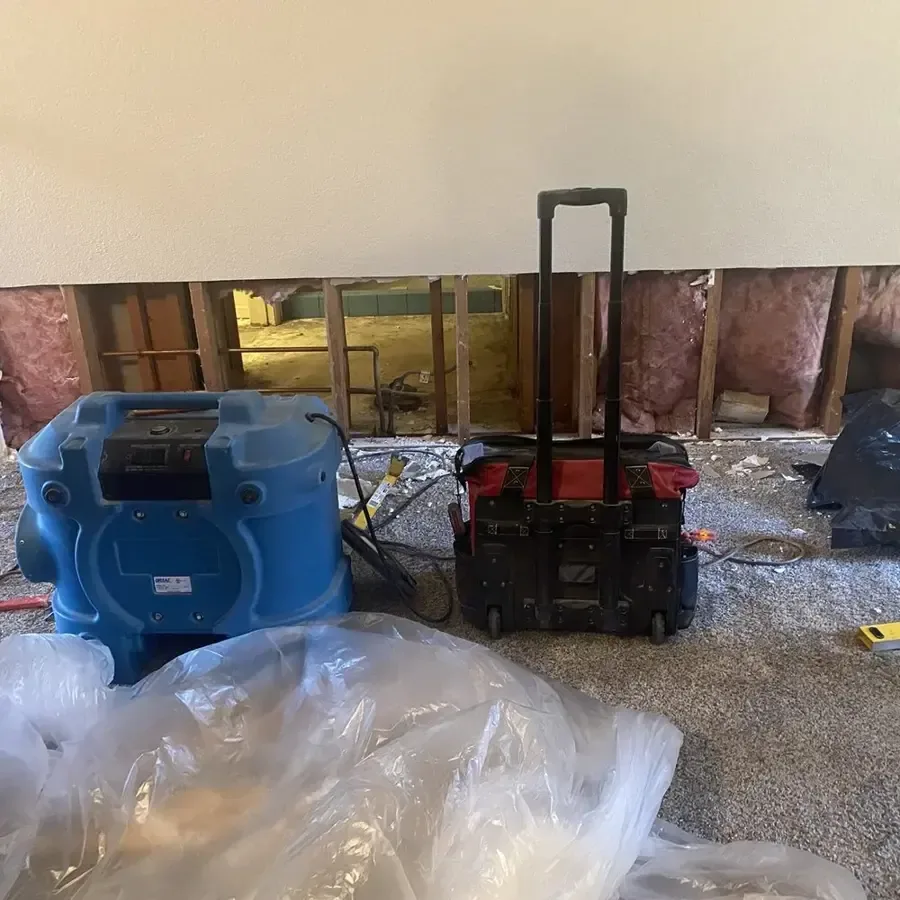
Cold cavities can complicate access and material assessment. Wet insulation may prevent the retained structure from drying effectively, and a surface patch can conceal that condition. Any proposed opening should explain what it exposes and how the affected material will be treated.
Repeated measurements then show the response of remaining materials. Before the cavity is closed, the record should identify its moisture condition and outstanding repairs. The goal is a repaired source and a suitable surrounding assembly, rather than a finished wall face over an unresolved wet space.
Frozen pipe water damage service area
Frozen pipe damage assessment in Manitou Springs follows the individual exposed pipe and discharge route. Properties in Crystal Hills and around Manitou Avenue need inspection of the actual cavity, adjoining surfaces and affected lower rooms.
The same service nearby: frozen pipe water damage in Fountain, Colorado Springs, Stratmoor.
Water damage restoration in Manitou Springs · every town covered
Frozen Pipe Water Damage questions in Manitou Springs, CO
Can a split stay hidden while frozen?
Yes. Ice can temporarily limit discharge, with leakage appearing as water moves again. A change in flow followed by dampness deserves source inspection and damage assessment.
Should a torch be used for thawing?
No. Open flame near concealed pipes and building materials creates hazards. The source needs a safe thawing and repair approach before surrounding cleanup can proceed.
Does fixing the split complete restoration?
The pipe repair controls the source. Water released into insulation, framing or finishes still needs inspection and a separate decision about removal, drying and reconstruction.
Why can water appear in another room?
The discharge can follow framing and service openings before reaching a visible surface. Inspection should include connected walls, floors and the ceiling below the failed section.
What if another wet patch appears later?
Report the change. It may indicate continued leakage or water held inside a connected assembly, either of which needs attention before the cavity is closed.
When can insulation be replaced?
The surrounding retained materials need assessment and suitable conditions first. Replacement belongs within the repair sequence after the wet assembly has been treated and assessed.
Address the water released inside the cavity
Arrange an assessment that links source repair with wet insulation, framing and finishes, so the enclosure can be restored after its retained materials are ready.