Pueblo West Storm Flood Cleanup
Muddy water across a doorway changes how a room should be used and cleaned. Pueblo West storm cleanup begins with restricted access, an entry assessment and a plan for debris and contaminated materials.
(888) 532-8620Describe outdoor water entry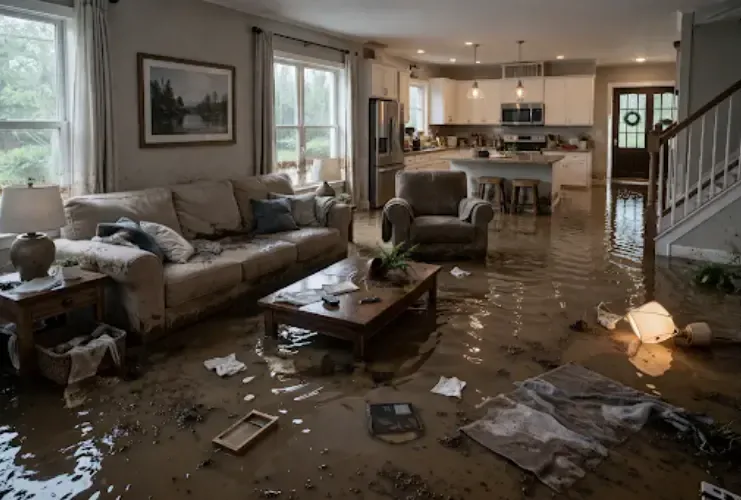
First steps for storm flood cleanup
- Wait for safe building access
Flooded areas need assessment for electricity, unstable surfaces and debris before occupants enter, even if the water has receded enough to reveal parts of the floor.
- Note the outside entry point
From safe ground, record where water crossed the enclosure and whether the opening still admits liquid, so source control can be coordinated with indoor removal.
- Keep affected contents contained
Avoid carrying muddy belongings across clean rooms; explain where items are stored so the cleanup plan can include sorting, disposal and protection of undamaged property.
- Preserve the first damage record
Take safe photographs of sediment, water marks and affected rooms, then retain expenses and repair descriptions for discussions about the loss and the work that follows.
Debris at a threshold can help show where stormwater crossed into a building. Before that evidence is disturbed, photograph accessible entry points from dry ground. The cleanup plan needs to account for the path indoors, the rooms reached and the contents that contacted water or sediment along the way.
What does storm flood cleanup cost in Pueblo West, CO?
Storm flood cleanup in Pueblo West is priced around contamination, debris volume and affected building layers. The estimate should identify extraction, cleaning, material disposal and drying, with exterior entry repairs and reconstruction listed as distinct tasks.
- Limited sediment spread
- Accessible affected finishes
- Focused cleaning area
- Broader debris handling
- Connected porous materials
- Multiple drying zones
- Complex removal routes
- Widespread assembly exposure
- Large repair scope
Water category, affected area, material class and delay before drying change the scope.
Source correction and reconstruction may require separate agreements. These planning ranges are not quotes. Compare the inputs in the water damage cost calculator.
How the storm flood cleanup work progresses
The IICRC S500 drying standard ties equipment decisions to material measurements. The project record tracks the source, removal choices, daily conditions and the final moisture comparison.
- 01
Define the dirty water footprint
The assessment follows sediment and moisture across the property, setting work boundaries and identifying routes for equipment and material movement before cleanup activities begin.
- 02
Remove water and exposed debris
Accessible liquid and loose debris leave through controlled routes, while contents and porous finishes receive decisions based on their condition and the nature of exposure.
- 03
Clean retained building surfaces
Appropriate cleaning reaches the surfaces revealed by removal, addressing contamination before the drying plan is applied to structural materials that remain within the affected area.
- 04
Document the recovery conditions
Moisture readings and material notes support repair planning, with unresolved entry issues and replacement needs clearly recorded so reconstruction follows a complete account of the loss.
Record the entry before clearing the room
Pueblo West averages 11.91 inches of precipitation annually, with an August average of 2.07 inches. At a damaged property, the actual entry opening and water depth shape the response. An exterior threshold, low opening or damaged enclosure each requires investigation alongside the work of removing water already indoors.
- Stay outside standing water where electrical equipment, sharp debris or unstable surfaces may be concealed.
- Keep wet contents within the affected area until their handling and disposal needs are assessed.
- Record sediment marks on accessible surfaces before cleaning changes their appearance inside the building.
- Describe continuing outdoor entry so extraction can be coordinated with control of the active source.
Separate dirty work from usable rooms
Lake Pueblo State Park lies along the community's southern boundary. U.S. Route 50 and North Industrial Park provide other familiar location references. Cleanup at an affected property follows its own entry conditions and floor plan: where hoses can pass, where debris leaves and which rooms remain usable. A controlled route matters when muddy contents must be removed without carrying sediment through clean living or work areas.
Material decisions depend on contamination and access to concealed layers. Porous finishes exposed to outside water may require removal before underlying surfaces can be cleaned and dried effectively.
Rebuild the sequence from removal to repair
Extraction handles standing liquid, followed by sediment removal and appropriate cleaning of retainable surfaces. Wall bottoms and floor layers need inspection where dirty water traveled underneath finishes. Equipment should address the cleaned retained assembly rather than simply blow air across debris or contaminated materials still inside the room.
The final scope records entry correction, removed materials and moisture results. If lower rooms are involved, basement water assessment can clarify access and pumping needs. Keep the restoration paperwork with photographs so the owner can explain the original exposure and planned reconstruction to the relevant repair providers.
Storm flood cleanup service area
Storm cleanup assessments are available in Pueblo West and ZIP 81007. Identify the outdoor opening, affected level and any continuing water entry when discussing the property's condition after rain or runoff entered the building.
The same service nearby: storm flood cleanup in Fountain, Security-Widefield, Stratmoor.
Water damage restoration in Pueblo West · every town covered
Storm Flood Cleanup questions in Pueblo West, CO
Can outdoor water be treated like a supply leak?
No. Sediment and contamination change material handling and cleaning decisions. The source and exposure should be assessed before equipment or contents move through rooms.
Should muddy carpet be dried in place?
Contaminated carpet and backing may need removal. Assessment should include the underlying floor and connected wall bases before a drying plan is selected.
What if the water has already drained away?
Sediment and absorbed moisture can remain. Inspection still needs to identify contaminated layers, wet cavities and the route that allowed entry into the building.
Can occupants sort belongings during cleanup?
Sorting requires safe access and a handling plan. Moving contaminated possessions through dry rooms can spread residue and complicate cleaning of previously usable spaces.
Does the weather average establish property risk?
The assessment uses the property's observed entry route and current damage. Cleanup decisions depend on the rooms, materials and exposure found during inspection.
What should the estimate separate?
Look for water removal, debris handling, cleaning and drying as identifiable tasks. Exterior repair and replacement finishes should have their own clear scope.
Related restoration services
Organize removal before restoring the rooms
Arrange assessment of dirty water pathways and retained materials, with practical access for extraction, cleaning and the repairs needed after drying.