Water Extraction in Pueblo West
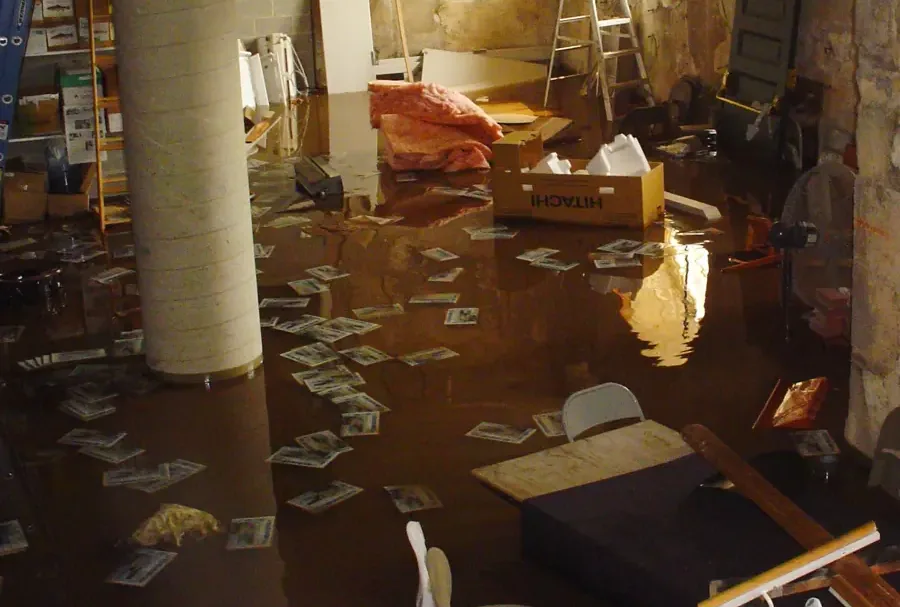
A puddle that reaches a doorway may already extend under the adjoining floor. Water extraction in Pueblo West begins by identifying the source and finding safe access to the whole affected area.
(888) 532-8620Discuss standing water removal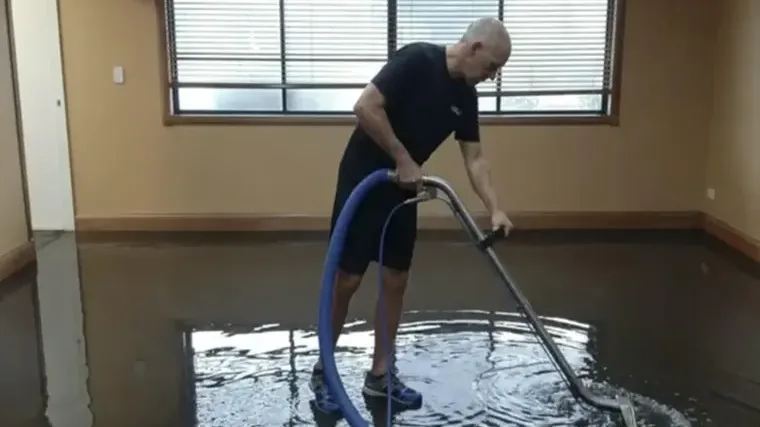
First steps for water extraction
- Stay at a dry threshold
Observe the water from a safe position and avoid entering where cords, outlets or unstable surfaces could create an immediate hazard during movement.
- Describe the first wet spot
Explain whether the puddle began at a fixture, drain or outside opening, and whether water remains active after the suspected source stopped operating.
- Prepare an accessible record
Photograph visible rooms without crossing water and list damaged belongings so extraction work can proceed alongside an organized account of the original exposure.
- Keep the removal route clear
From dry areas, move undamaged obstructions away from the planned access route while leaving contaminated items and heavy wet furniture for assessed handling.
The sound of water under a shoe is a reason to stop and assess the floor, rather than carry belongings through the room. In Pueblo West, the district maintains both water distribution and sewage collection infrastructure. Identifying what entered the property changes extraction, cleaning and material handling decisions.
What does water extraction cost in Pueblo West, CO?
Pueblo West extraction pricing reflects the volume of accessible water, its contamination and the effort needed to reach connected areas. Material removal and subsequent drying can expand the scope beyond pumping the central floor.
- Small accessible puddle
- Limited room spread
- Simple extraction route
- Broader wet footprint
- Multiple floor transitions
- Additional edge inspection
- Restricted equipment access
- Controlled waste handling
- Complex material assessment
Water category, affected area, material class and delay before drying change the scope.
Source correction and reconstruction may require separate agreements. These planning ranges are not quotes. Compare the inputs in the water damage cost calculator.
How the water extraction work progresses
The IICRC S500 drying standard ties equipment decisions to material measurements. The project record tracks the source, removal choices, daily conditions and the final moisture comparison.
- 01
Map liquid boundaries
The assessor traces visible water through doorways and around fixed contents, marking areas where flooring or base materials need closer inspection before removal.
- 02
Select removal equipment
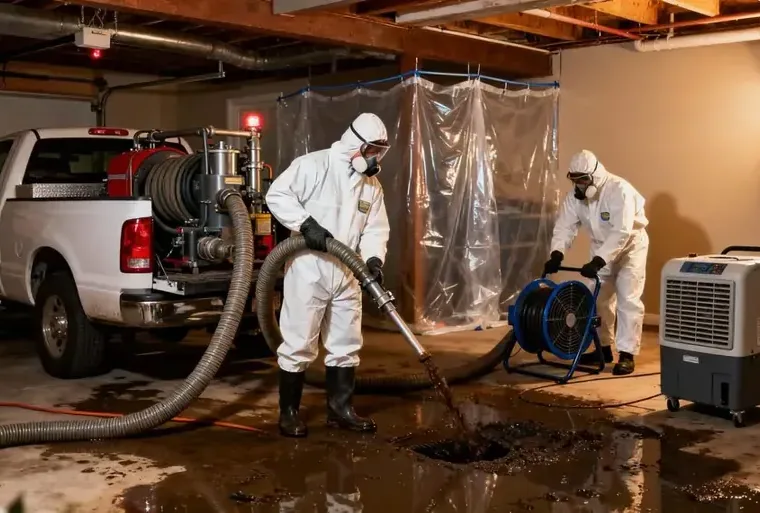
Water depth, debris and room access determine extraction methods, while protected hose routes help keep the work area separated from usable dry spaces.
- 03
Inspect exposed edges
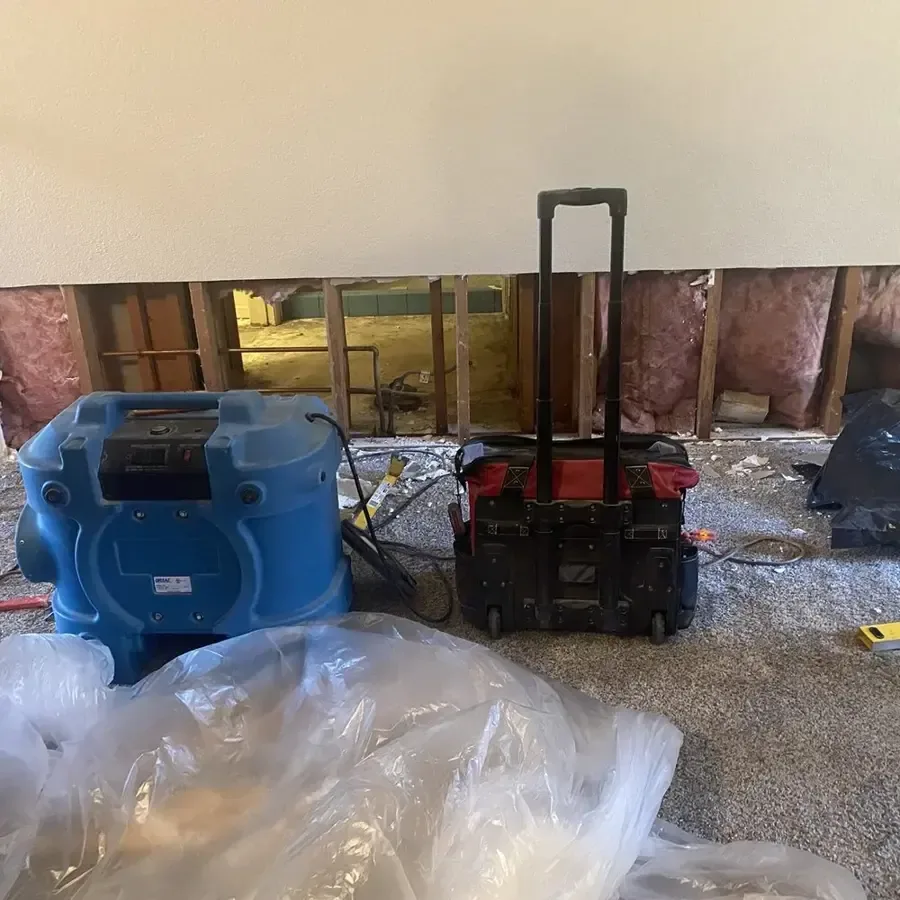
After accessible water leaves, floor seams and wall bases receive attention to identify soaked layers that pumping alone could not reach or dry.
- 04
Set the drying scope
Material readings and source status establish the next equipment plan, with removal decisions and unresolved repair needs documented for the owner before handoff.
Identify what is feeding the wet area
A leaking supply connection, overflowing drain and outside entry need different source work. Describe whether water continued after a fixture stopped operating, whether other drains reacted and where the first puddle appeared. That history helps the assessor choose an inspection route before moving equipment through clean spaces.
- Record the rooms connected by wet flooring, including closets that sit beyond the visible puddle.
- Keep children and pets away from water whose source has not been identified.
- Leave electrical equipment untouched when water surrounds its cords, outlets or operating controls.
- Separate contents handling from pumping so wet items do not spread contamination through dry passages.
Extract with the building layout in mind
Properties around U.S. Route 50, near Desert Hawk Golf Course and along the community's Lake Pueblo State Park boundary need assessment of their actual rooms and access. A wide open floor and a narrow closet present different extraction problems. Hose placement, furniture protection and the route for removing damaged materials should be settled before work starts. Water trapped at a cabinet base may remain after the central floor looks clear, so the removal plan includes edges and transitions.
The district directs water and sewer emergencies to its utility department. Suspected utility trouble deserves a report while the building's indoor water damage receives a separate assessment.
Follow removal with a moisture map
Extraction ends the standing water stage, but flooring and wall bases can still hold moisture. Measurements across affected and comparatively dry materials help define where drying should continue. The assessor can explain which layers are accessible, what needs lifting and where an opening would allow trapped moisture to escape.
When liquid is gone, the next scope may include drying retained assemblies. Keep the extraction record with source repair notes and photographs. Together they explain the initial condition, material decisions and remaining work without relying on the appearance of a freshly cleaned floor.
Water extraction service area
Extraction assessments serve Pueblo West properties in ZIP 81007, including buildings around North Industrial Park. Describe the water source, occupied areas and safest entry point when discussing removal needs for the affected property.
The same service nearby: water extraction in Fountain, Security-Widefield, Stratmoor.
Water damage restoration in Pueblo West · every town covered
Water Extraction questions in Pueblo West, CO
Is pumping the same as drying?
No. Pumping removes liquid that equipment can reach. Materials may retain moisture beneath surfaces and require separate airflow, dehumidification and monitoring afterward.
Can a household vacuum remove the water?
An ordinary household vacuum should not be used for water. Electrical conditions and possible contamination also need assessment before any extraction equipment enters.
Should furniture move immediately?
Only safe, uncontaminated movement should be considered. Heavy saturated furniture can damage floors or spread dirty water along the route through dry rooms.
What if water returns after extraction?
The source remains a priority. Reappearing water needs plumbing, drainage or exterior entry assessment before drying progress can be evaluated meaningfully.
Are closets included in the inspection?
They should be checked when connected flooring or wall cavities became wet. A closed door does not prevent liquid from traveling underneath finishes.
What information helps when arranging service?
Describe the first wet room, current water activity and any access hazards. Mention whether the water came from supply plumbing, drains or outdoors.
Clear the liquid and assess what remains
Arrange an inspection of the wet footprint, connected materials and practical steps required after the floor no longer holds standing water.