Manitou Springs Sewage Backup Cleanup
A backed up drain changes how a room can be entered and cleaned. Sewage cleanup in Manitou Springs starts with restricted access, source attention and a clear boundary around contaminated surfaces and belongings.
(888) 532-8620Discuss contaminated drain water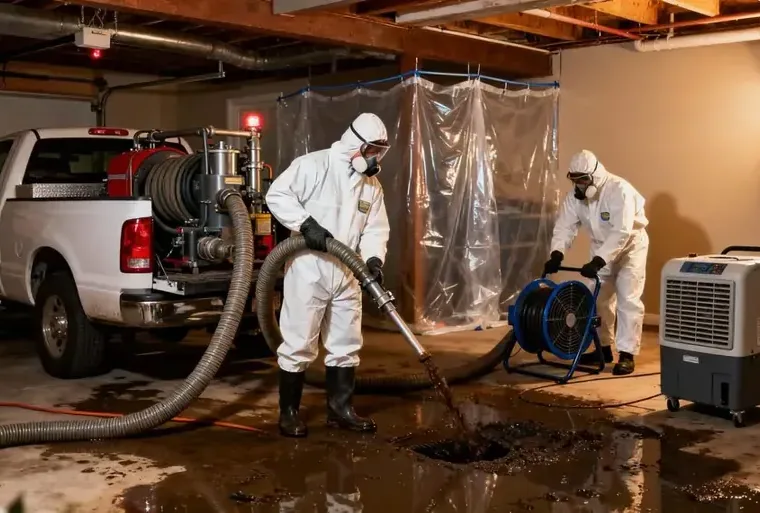
First steps for sewage backup cleanup
- Keep occupants out of wastewater contact
Close off the affected room where practical and prevent children or pets from entering. Retrieval of belongings can wait until a controlled access plan exists.
- Limit use of connected fixtures
Further plumbing use may feed the backup. Describe affected drains and any continuing rise so the source professional can assess the fault and stop discharge.
- Avoid improvised fan drying
Airflow across contaminated residue can spread material beyond the wet boundary. Removal and cleaning decisions need to come before ordinary drying equipment is directed there.
- Preserve a safe damage record
Photographs and item descriptions can be made from clean access points. Do not carry contaminated belongings onto dry furniture or other untouched surfaces for sorting.
Wastewater emerging from a drain can contaminate floor coverings and nearby contents before a large pool develops. The first task is to keep ordinary activity out of the affected area. Children, pets and unprotected occupants should not cross the wet room to retrieve belongings or attempt surface cleanup while the extent of contact remains unclear.
What does sewage backup cleanup cost in Manitou Springs, CO?
Sewage backup cleanup costs in Manitou Springs depend on contaminated area, porous material contact and access for treatment. These ranges address indoor restoration; drain repairs, replacement construction and contents decisions should be clearly separated in the estimate.
- Limited contact area
- Accessible dirty water
- Focused surface treatment
- Porous layer removal
- Connected room boundaries
- Broader cleaning access
- Extensive affected contents
- Complex removal routes
- Large retained structure
Water category, affected area, material class and delay before drying change the scope.
Source correction and reconstruction may require separate agreements. These planning ranges are not quotes. Compare the inputs in the water damage cost calculator.
How the sewage backup cleanup work progresses
The IICRC S500 drying standard ties equipment decisions to material measurements. The project record tracks the source, removal choices, daily conditions and the final moisture comparison.
- 01
Set the contaminated work boundary
The room and movement routes are assessed so workers can remove wastewater without bringing contact onto unaffected floors, stored belongings or occupied areas of the property.
- 02
Remove liquid and unsuitable porous items
Extraction and controlled disposal address materials that cannot remain, with photographs and descriptions preserving the damage record before contaminated layers are removed from the building.
- 03
Treat the exposed remaining surfaces
Cleaning reaches the retained assembly and affected contact points, including concealed edges opened during removal, before airflow is used to support the material drying stage.
- 04
Verify the remaining restoration needs
The final assessment documents moisture conditions and completed treatment, while identifying replacement materials or source repairs that must be completed before ordinary use of the room.
Identify the indoor source separately from flood history
Rainbow Falls is on Fountain Creek, and the August 9, 2013 flood threatened creekside buildings and parking areas. Water also moved from Cavern Gulch onto Manitou Avenue during that event. An indoor sewage backup has its own source investigation: the affected drain, active discharge and connected fixtures need attention before normal plumbing use resumes.
- Describe which drain or fixture discharged and whether water is still rising there.
- Keep contaminated footwear and equipment from crossing into unaffected occupied rooms.
- Record affected contents from a safe location without sorting them on clean surfaces.
- Avoid directing household fans across wastewater residue or damaged porous materials.
Material contact determines the removal boundary
Sewage can enter carpet backing, wallboard edges and stored fabric items where wiping the visible face cannot reach the contamination. Removal decisions should follow that contact and the condition of the material. A clearly marked work area helps separate items awaiting disposal from surfaces suitable for cleaning, while a controlled route limits the spread of dirty water during extraction.
The drain repair and indoor restoration should remain identifiable in the scope. Stopping the backup prevents further discharge, but contaminated materials already inside the building require their own treatment.
Make the retained surfaces accessible
After liquid and unsuitable material are removed, remaining surfaces need appropriate cleaning. Hidden contact points beneath cabinets or along wall bases may require access before that work can be completed. Treatment should reach the affected surface rather than conceal it behind a deodorizing or cosmetic step.
Drying follows the cleaning sequence. Moisture measurements help establish the condition of retained structure, and the closing record identifies removal, treatment and repairs still required. Normal room use depends on completing that scope, not simply eliminating the visible pool or changing the smell of the space.
Sewage backup cleanup service area
Sewage cleanup assessments in Manitou Springs focus on the affected indoor drain and contact area. Properties near Manitou Avenue or Crystal Hills need safe access, source coordination and a defined boundary between contaminated and untouched rooms.
The same service nearby: sewage backup cleanup in Fountain, Colorado Springs, Stratmoor.
Water damage restoration in Manitou Springs · every town covered
Sewage Backup Cleanup questions in Manitou Springs, CO
Can household fans dry a sewage backup?
Fans are not the starting point. Contaminated water and materials need controlled removal and cleaning decisions before air movement is introduced across the affected assembly.
Is odor removal enough to finish cleanup?
No. The work must address wastewater contact on surfaces and inside porous materials. A change in smell does not describe the condition of the building.
Should affected carpet be evaluated separately?
Yes. Carpet, backing and padding can hold contamination below the visible face. Their exposure determines whether removal is needed as part of the cleanup scope.
Does the drain repair clean the room?
Repairing the source stops additional discharge. Wastewater already inside the property still needs extraction, material assessment and treatment before remaining structure can be dried.
Can dry belongings remain nearby?
Untouched items should stay outside the controlled work area. Keep contaminated contents separate so handling and removal do not spread contact onto clean household surfaces.
What record should the finished work include?
The record should describe removed materials, treated surfaces and retained moisture conditions. It should also identify source or finish repairs still needed before normal occupancy resumes.
Restore the room through controlled treatment
A defined scope links source repair, removal and cleaning with the drying needs of retained materials before the space returns to everyday use.