Manitou Springs Appliance Leak Water Damage
A washer or dishwasher can hide the first wet patch beneath its own footprint. Appliance leak cleanup in Manitou Springs checks connections, cabinetry and the floor layers reached before water appeared in the open room.
(888) 532-8620Discuss hidden appliance water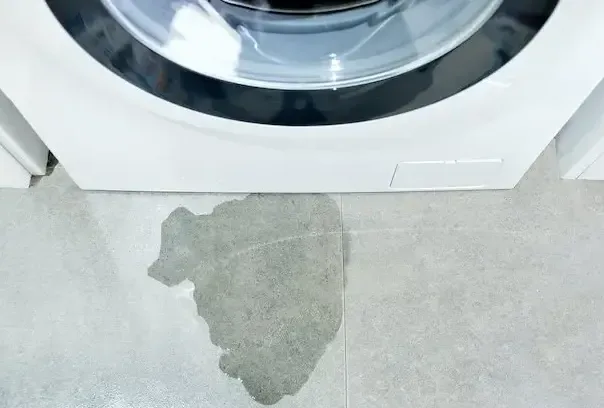
First steps for appliance leak water damage
- Stop the appliance cycle safely
Further use can add water before the fault is identified. Avoid touching wet plugs or controls, and keep the surrounding area clear until access is safe.
- Describe the water and its timing
Mention whether the leak appeared during filling, washing or draining, along with any residue that helps the assessment distinguish supply water from used appliance discharge.
- Keep fixed units in place initially
Dragging equipment or dismantling cabinetry can damage connections and obscure the source. Movement should be arranged safely when inspection needs access behind or beneath the unit.
- Check nearby occupied rooms visually
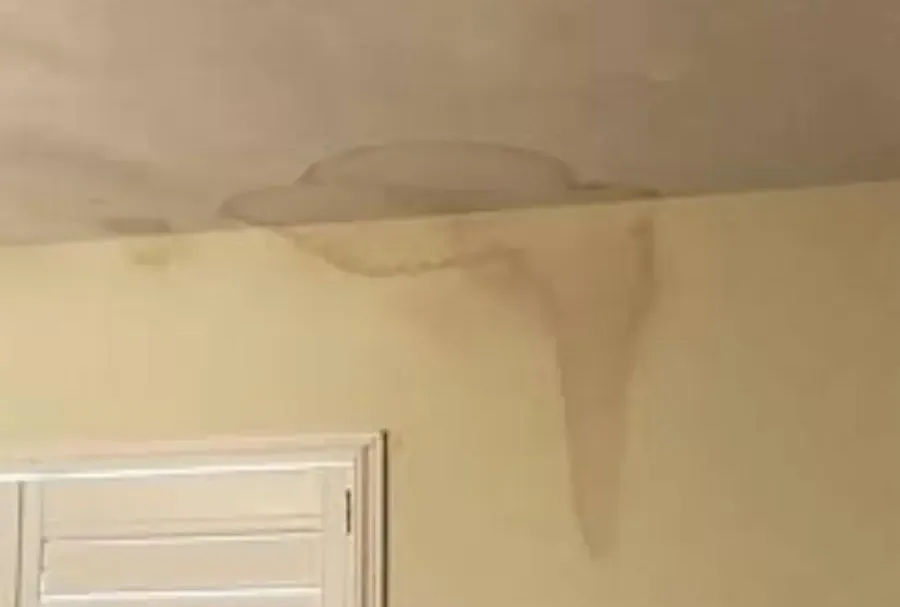
Report new ceiling marks below, damp doorway edges or cabinet swelling beside the appliance so the damage assessment includes connected areas beyond the immediate puddle.
A damp cabinet edge can be the first visible result of a leak that started behind an appliance. Hoses, seals and drain connections may release water only during part of a cycle, making the room look dry between uses. The damage assessment needs the operating history as well as the current wet patch.
What does appliance leak water damage cost in Manitou Springs, CO?
Appliance leak cleanup costs in Manitou Springs depend on water condition and concealed spread beneath equipment or cabinetry. The ranges describe damage restoration; appliance repairs and replacement cabinets or flooring require clear scope and pricing distinctions.
- Limited open floor
- Reachable equipment edge
- Basic moisture assessment
- Wet cabinet bases
- Affected flooring layers
- Selective access work
- Connected ceiling damage
- Hidden substrate wetting
- Broader drying arrangement
Water category, affected area, material class and delay before drying change the scope.
Source correction and reconstruction may require separate agreements. These planning ranges are not quotes. Compare the inputs in the water damage cost calculator.
How the appliance leak water damage work progresses
The IICRC S500 drying standard ties equipment decisions to material measurements. The project record tracks the source, removal choices, daily conditions and the final moisture comparison.
- 01
Identify the appliance water route
The assessment connects cycle timing and repair observations with the wet footprint, distinguishing the source fault from damage in nearby finishes and room layers.
- 02
Expose affected edges safely
Equipment access reveals damp backing, cabinet bases and the floor beneath the unit, allowing material condition to be recorded before components return to position.
- 03
Address residue and damaged materials
Cleaning and removal choices reflect the escaped water and the condition of absorbent layers, with unsuitable materials separated from those that can remain for treatment.
- 04
Track drying beyond the appliance footprint
Checks continue in adjoining surfaces until the retained assembly is ready for repair, including areas reached beneath cabinets or through the floor into a lower room.
Find out which water escaped
A supply connection and a discharge hose create different cleanup conditions. Used washing or dishwashing water can carry residues into absorbent materials. Stopping appliance use limits further release while a repair assessment identifies the fault. Restoration then considers both the water condition and how long affected layers have remained wet.
- Note which appliance cycle was running when water first appeared on the floor.
- Look for swollen cabinet edges without pulling fixed units or disturbing wet wiring.
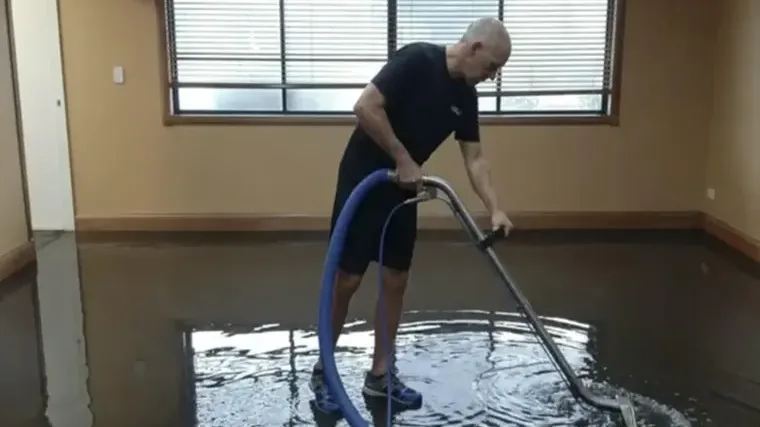
- Include the room below when a laundry or kitchen floor has become saturated.
- Keep photographs of the water path before equipment movement exposes or changes hidden areas.
Shared buildings need coordinated access
Barker House is a former hotel used as residential apartments. That local building context highlights the importance of communication when equipment, occupied rooms and access arrangements overlap. At any apartment property, the affected occupant and property contact may need to coordinate inspection of neighboring spaces. A cleanup plan should describe the actual leak location and connected materials before access work begins.
Manitou Avenue has parks including Memorial Park and Mansions Park. For homes around those local reference points, appliance cleanup still begins inside the room with the specific equipment and wet assembly.
Open the hidden edge, then decide what remains
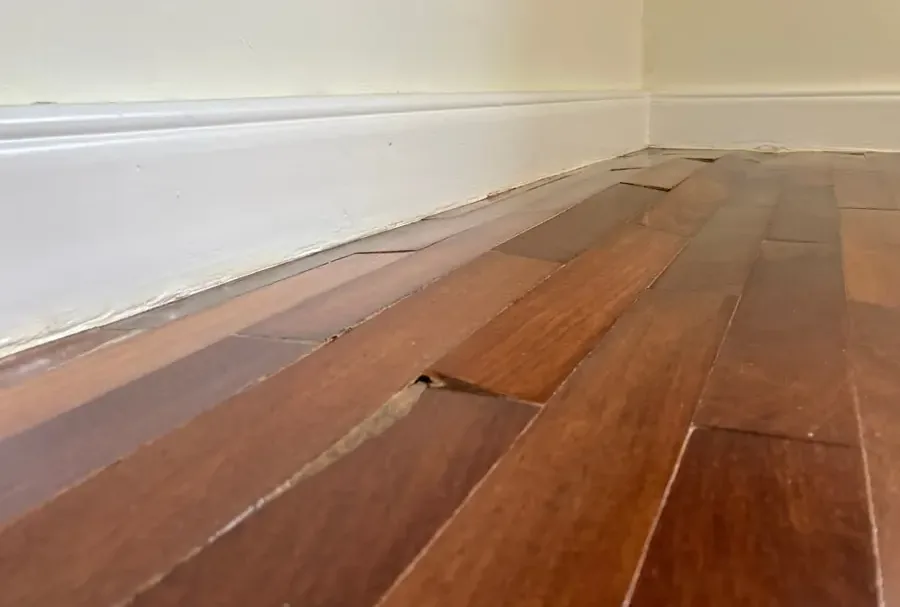
Safe movement of an appliance can reveal water trapped beneath its base or behind a cabinet plinth. Those newly accessible surfaces need inspection before equipment is returned. A dry open floor does not account for damp backing, swollen wood or water beneath a fixed cabinet.
Retained materials require a drying arrangement that reaches the affected layer. The final scope separates appliance service from cabinet, floor and wall restoration, giving a clear account of what was repaired and what remains to be rebuilt.
Appliance leak water damage service area
Appliance cleanup in Manitou Springs includes kitchens, laundry areas and connected rooms. Near Barker House or around Manitou Avenue, the assessment depends on safe equipment access, property contacts and the path of escaped water.
The same service nearby: appliance leak water damage in Fountain, Colorado Springs, Stratmoor.
Water damage restoration in Manitou Springs · every town covered
Appliance Leak Water Damage questions in Manitou Springs, CO
Should the appliance be run to test it?
Continued operation can add damage. The source should be assessed safely, with the cycle history described instead of repeatedly recreating the leak inside the room.
Is water behind a dishwasher easy to see?
Often it remains beneath or behind fixed components. Inspection may need safe access to the equipment footprint and nearby cabinet base before the spread is clear.
Does used wash water change cleanup?
Yes. Discharge residues and material contact affect cleaning decisions. The restoration plan should identify the water source before deciding which porous layers can remain.
Can cabinet swelling disappear after drying?
Some materials remain distorted after exposure. Condition checks determine whether drying is appropriate or whether damaged cabinet components need replacement after the moisture issue is resolved.
Why notify a property manager?
Shared access or rooms below may be involved. The property contact can help coordinate inspection and source repair when a leak crosses an occupied space boundary.
What should happen before the appliance returns?
The exposed floor and surrounding materials should be checked. Returning equipment too early can hide retained moisture or obstruct repairs beneath its original position.
Reach the moisture behind the equipment
A useful restoration scope covers hidden floor layers and adjoining cabinetry as well as the appliance repair, with drying needs clear before the unit returns.