Security-Widefield Frozen Pipe Water Damage
A damaged frozen pipe may release water as flow returns. Security-Widefield cleanup tracks that discharge through the surrounding assembly, coordinates safe plumbing repair and checks for wet layers beyond the first visible leak.
(888) 532-8620Assess water released during thaw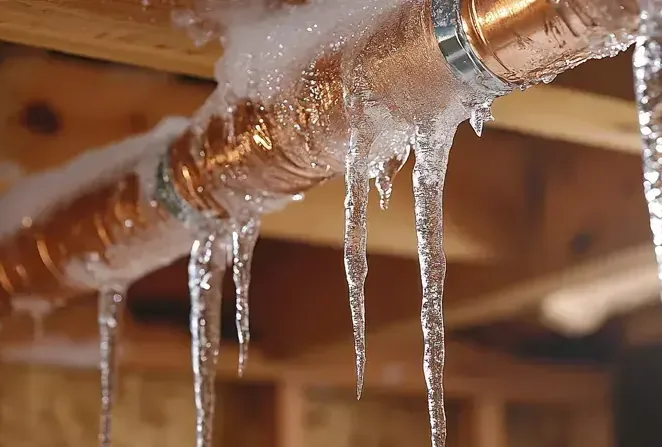
First steps for frozen pipe water damage
- Avoid improvised thawing methods
Occupants should not apply an open flame or handle electrical heating equipment beside wet plumbing. The damaged section needs a safe assessment before flow is restored.
- Describe the change in discharge
The report should explain when water appeared, where it collected and whether the flow is continuing. Existing observations are useful without deliberately opening a potentially damaged supply.
- Keep the surrounding area clear
Wet insulation, falling ceiling material and water near electrical fittings can create hazards outside the pipe itself. People and belongings should remain away from the affected route.
- Coordinate plumbing and material access
Repair of the pipe may expose wet framing or floor layers. The cleanup plan should account for that opening and preserve access for inspection before new finishes return.
A pipe affected by freezing can remain quiet until thawing allows water to escape through a damaged section. That change can turn a plumbing concern into an indoor material loss. The response should account for safe supply control, plumbing evaluation and inspection of the cavity around the pipe before attention shifts to surface repairs.
What does frozen pipe water damage cost in Security-Widefield, CO?
Frozen pipe damage costs in Security-Widefield depend on the thaw discharge path, concealed saturation and access around the damaged plumbing. The estimate should separate pipe repair and protective improvements from removal, structural drying and later replacement of affected finishes.
- Limited water path
- Accessible pipe surroundings
- Focused wet material checks
- Saturated insulation access
- Connected floor moisture
- Broader framing drying
- Multiple collection points
- Expanded finish removal
- Larger monitoring plan
Water category, affected area, material class and delay before drying change the scope.
Source correction and reconstruction may require separate agreements. These planning ranges are not quotes. Compare the inputs in the water damage cost calculator.
How the frozen pipe water damage work progresses
The IICRC S500 drying standard ties equipment decisions to material measurements. The project record tracks the source, removal choices, daily conditions and the final moisture comparison.
- 01
Coordinate safe control of the plumbing
The source assessment establishes the damaged section and repair status, while the material survey follows any discharge released into the surrounding cavity.
- 02
Locate hidden wetting along the route
Measurements and selective access identify insulation, backing and floor layers that remain saturated beyond the first visible collection point or the opening used for pipe repair.
- 03
Dry the structure left after removal
Retained framing and substrate receive a controlled drying setup, with readings used to adjust access and equipment as the assembly responds to the change in conditions.
- 04
Record readiness for insulation and finishes
The handoff separates the completed plumbing work from moisture results and remaining material repairs so new insulation or wall surfaces do not cover areas still needing attention.
Track the discharge as flow changes
A report from Security should identify where water appeared and whether its flow changed as the plumbing warmed. In Widefield, the same observations help a plumber plan the investigation. The actual pipe location and room arrangement determine the damage path, so the inspection should document what is present at the property.
Fontaine Boulevard and Grinnell can help locate the building during a cleanup request. Inside, useful details include an affected wall, an accessible utility space or a room beneath the pipe. A low point where water collects may sit away from the damaged section.
Leave thawing and repairs to an appropriate plan
Open flames should never be used to thaw plumbing. Wet electrical conditions, hidden pipe damage and limited access all need consideration before work begins. A plumber can evaluate safe repair and restoration of flow. Cleanup should be ready to follow any water already released into the surrounding building, including insulation that continues holding moisture after the visible discharge stops.
- Describe changes in water flow without reopening a supply simply to demonstrate them.
- Inspect the room below if the damaged pipe passes above an occupied space.
- Record wet insulation before it is removed to expose retained framing.
- Check adjacent floor layers where the thaw discharge has collected against wall trim.
Distinguish prevention work from damage recovery
The plumber may recommend changes to protect the specific vulnerable section after repair. Those measures are separate from the restoration of materials already soaked. The cleanup estimate should explain access, removal and drying around the existing loss.
A burst pipe assessment may cover similar pressurized spread once water resumes. The closing record should show source correction and material measurements, allowing replacement insulation and finishes to follow suitable conditions instead of concealing residual wetness.
Frozen pipe water damage service area
Thaw leak assessments serve Security and Widefield in unincorporated El Paso County. A property reference near Fontaine Boulevard or Grinnell helps establish access, while the actual pipe location and discharge route define the inspection.
The same service nearby: frozen pipe water damage in Fountain, Stratmoor, Colorado Springs.
Water damage restoration in Security-Widefield · every town covered
Frozen Pipe Water Damage questions in Security-Widefield, CO
Can a frozen pipe leak only after warming?
A damaged section may begin releasing water as flow returns. The plumbing needs assessment even when the earlier frozen period produced little visible indoor water.
Is an open flame suitable for thawing?
No. Thawing must account for hidden damage and safe access. A plumber should evaluate the affected section and the appropriate approach to restoring the supply.
Why check insulation around the damaged pipe?
Insulation can retain released water and restrict drying of nearby framing. Its condition helps determine whether access or removal is needed during the material cleanup.
Does pipe repair complete the restoration?
Repair addresses the plumbing source. Water already absorbed by walls, ceilings and flooring still needs a separate assessment and documented drying or replacement decisions.
What if the leak reached a lower room?
The inspection should include the ceiling and connected wall below the pipe. Water can cross cavities before it becomes visible at the lower collection point.
When can protective insulation be installed again?
The pipe repair and retained material conditions should be established first. Reinstallation needs coordination so new insulation does not hide wet framing or an unresolved leak.
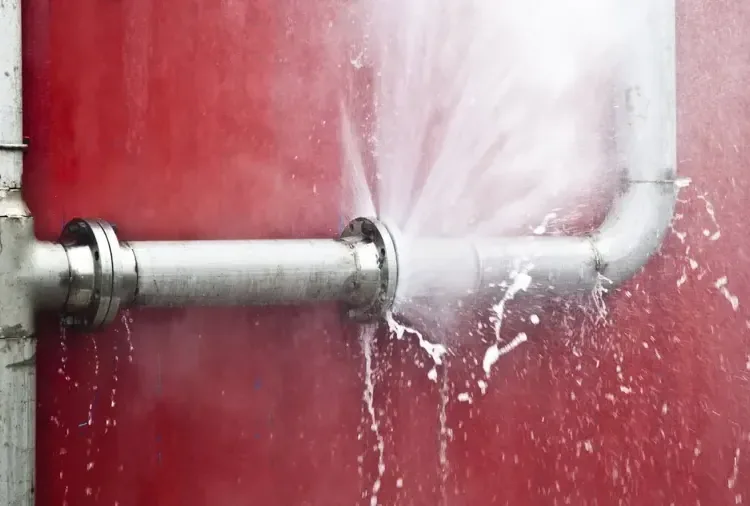
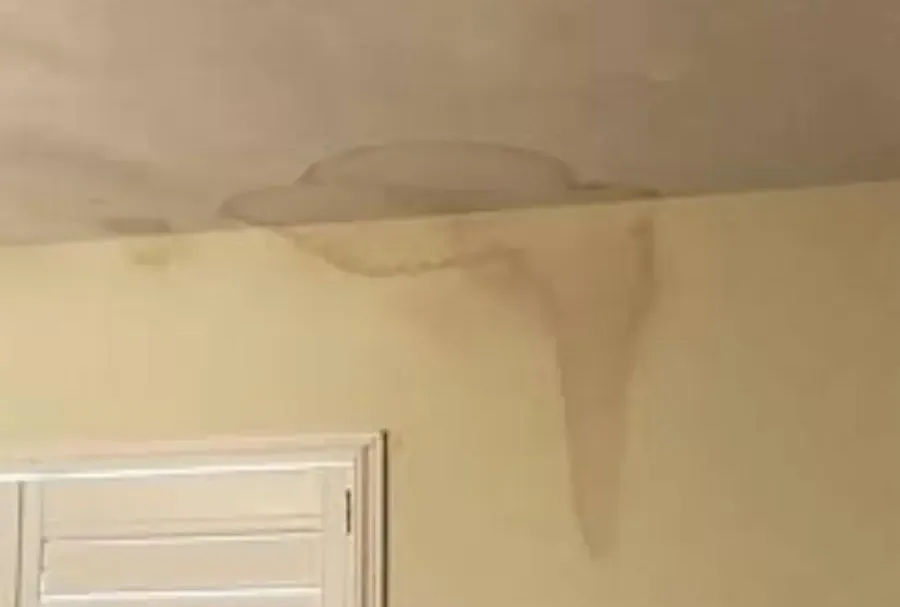
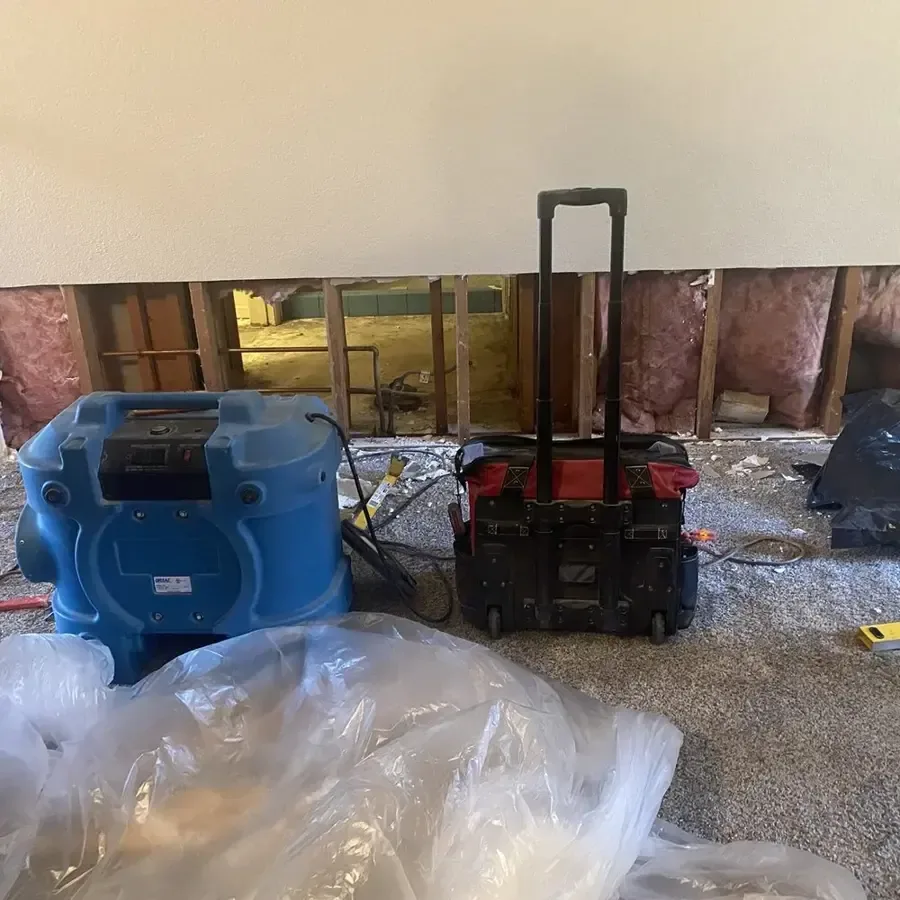
Keep the drying scope connected to the repaired pipe
The next stage should account for wet insulation, concealed floor layers and measured conditions before the surrounding finishes are restored.