Water Heater Leak Cleanup in Stratmoor
Water around a heater can reach an adjoining room before the tank problem is discovered. Cleanup examines the base, surrounding finishes and concealed floor edges while qualified personnel address the leaking equipment and its connections.
(888) 532-8620Assess damage around the heater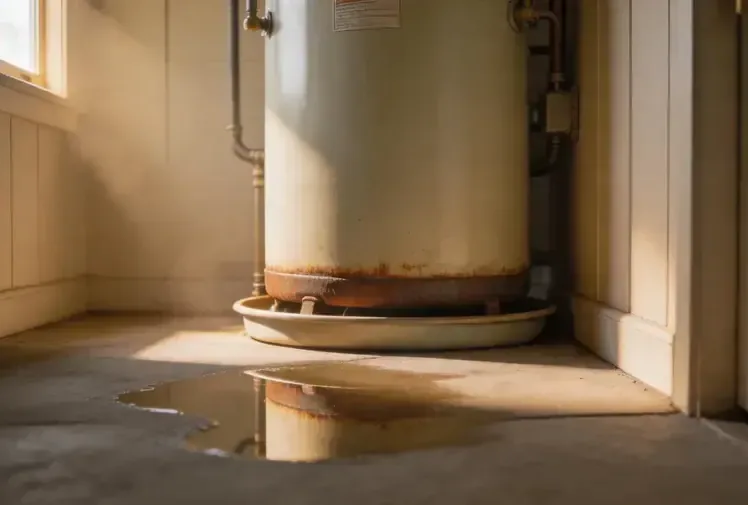
First steps for water heater leak cleanup
- Arrange safe heater isolation
Equipment and connection hazards are addressed by qualified personnel so the affected space can be approached without contact with hot water or unsafe powered components.
- Inspect beyond the tank base
The damage assessment follows moisture into nearby flooring and partitions, including finishes in adjoining rooms where water may have traveled beneath the visible boundary.
- Coordinate access during replacement
Restoration and equipment work are sequenced so removed components reveal damp areas and the replacement does not conceal materials that still need cleaning or drying.
- Dry the accessible retained assembly
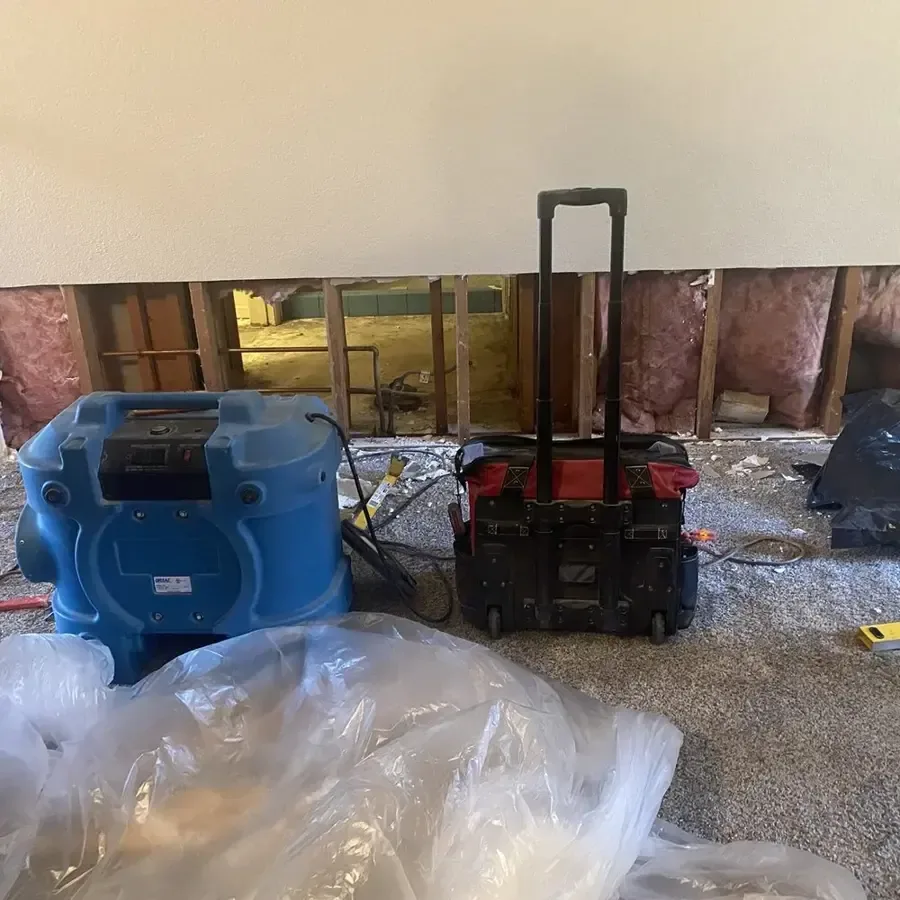
Extraction and necessary material removal lead into monitored drying of the remaining floor and wall layers, with observations documented for the subsequent repair work.
A replacement heater does not resolve water absorbed by the surrounding floor or partition. The damaged tank and the wet room require related but separate work. A Stratmoor cleanup assessment begins with the equipment made safe, then checks the actual installation area and any adjoining room reached by the release.
What does water heater leak cleanup cost in Stratmoor, CO?
Heater leak cleanup costs in Stratmoor change with the spread beyond the equipment space and access to wet layers. These planning ranges cover interior water damage; tank replacement, connection repairs and reconstruction need distinct entries in the estimate.
- Accessible pooled water
- Small drying footprint
- Nearby edge inspection
- Wet partition bases
- Equipment access coordination
- Additional material checks
- Adjoining finish damage
- Broader floor access
- Connected room drying
Water category, affected area, material class and delay before drying change the scope.
Source correction and reconstruction may require separate agreements. These planning ranges are not quotes. Compare the inputs in the water damage cost calculator.
How the water heater leak cleanup work progresses
The IICRC S500 drying standard ties equipment decisions to material measurements. The project record tracks the source, removal choices, daily conditions and the final moisture comparison.
- 01
Identify the room boundaries
The inspection considers the actual heater location, surrounding finishes and neighboring spaces, marking where discharge remained visible and where it disappeared beneath fixed building components.
- 02
Clear water and inspect access
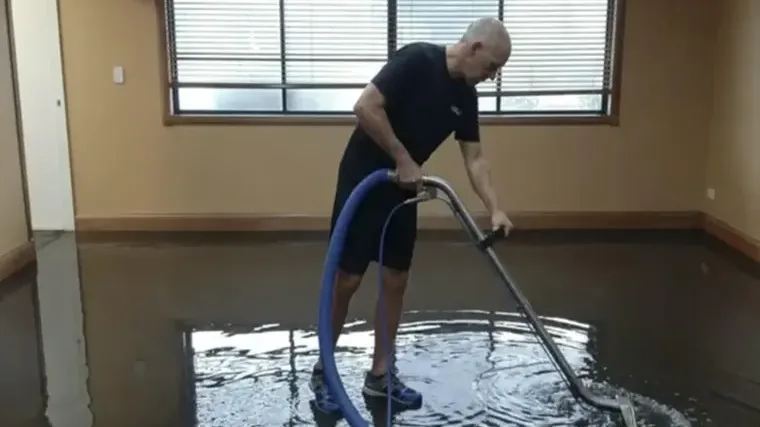
Removal of the puddle allows closer examination of the floor edge and equipment recess, with additional openings justified by readings and material condition.
- 03
Monitor around replacement work
Drying checks remain coordinated with the equipment schedule so needed inspection points stay accessible and retained moisture is addressed before the space becomes obstructed again.
- 04
Record separate completion needs
The handoff distinguishes heater service from the condition of dried materials and lists any remaining wall, floor or decorative work required after cleanup finishes.
Make access safe around the equipment
Hot water, electrical components and fuel connections can complicate a heater leak. Qualified personnel should handle equipment isolation and repair. Occupants should avoid operating unfamiliar controls or stepping into water around powered equipment. Once access is safe, restoration can evaluate the visible puddle and the materials beneath or behind the heater.
- Describe whether water is still appearing around the tank or its connected piping.
- Identify wet flooring beyond the equipment space, especially where a doorway joins another room.
- Keep service findings for the heater with the separate estimate for interior damage cleanup.
- Note cabinetry, shelving or fixed equipment that obstructs inspection of wet wall and floor edges.
Check adjoining layers when the puddle clears
The local water district supplies drinking water within its unincorporated county service area, with a treatment facility off Glenarm Road near Highway 85/87. Its supply announcement also identifies Pueblo Reservoir through the authority arrangement. Inside a property, heater cleanup follows a smaller and more immediate path: water from the equipment to the floor, wall bases and adjoining finishes that absorbed it before isolation.
A shallow release can disappear beneath a partition while leaving little water beside the tank. Moisture readings along both sides of the affected wall help establish whether the apparent utility area loss also needs access from a neighboring finished room.
Coordinate drying with the equipment repair
Tank removal may create useful access, but the cleanup plan should be coordinated before a replacement blocks a damp area again. Wet insulation, softened wallboard or damaged flooring may need removal. Sound materials selected to remain need accessible drying paths and monitoring points that will still be reachable after equipment work progresses.
The final scope should describe what was removed, what was dried and what remains for reconstruction. Clear separation between equipment charges and interior restoration makes the sequence easier to follow and preserves a useful record of the damage beyond the original leaking tank.
Water heater leak cleanup service area
Stratmoor heater leak assessments address the actual equipment space and rooms reached by its discharge. Mention whether the heater has been isolated or removed and describe any wet finishes outside that immediate area.
The same service nearby: water heater leak cleanup in Fountain, Security-Widefield, Colorado Springs.
Water Heater Leak Cleanup questions in Stratmoor, CO
Does replacing the tank dry the room?
Replacement stops the equipment problem, but flooring and partitions can retain water. A separate inspection determines the removal and drying needed around the repaired installation.
Can water cross beneath a nearby wall?
Yes, if the building assembly provides a path. Moisture checks on adjoining finishes help identify spread that was not visible beside the leaking tank.
Should the heater be moved by an occupant?
Equipment movement and isolation belong to qualified personnel. Hot water, electrical components and fuel connections can make improvised handling unsafe around an active leak.
Will a small puddle need drying equipment?
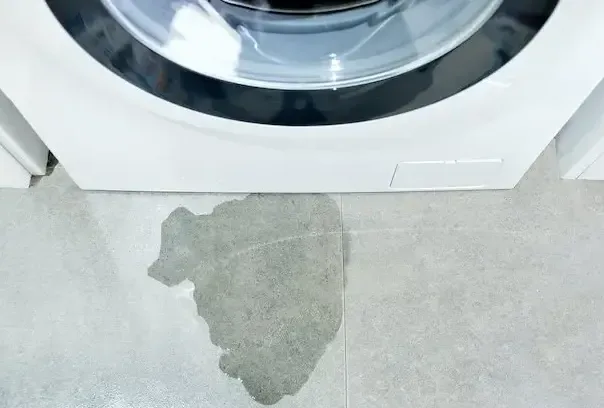
The decision depends on absorption and access, not puddle size alone. Inspection identifies whether surrounding materials retain moisture after the accessible water is removed.
Why coordinate cleanup before replacement?
A removed heater may expose wet material that becomes difficult to reach after installation. Coordinating the sequence preserves access for inspection and any necessary drying.
What belongs in the cleanup record?
Photographs, affected material notes and drying observations should accompany the estimate. Heater repair findings help explain source control but remain distinct from the interior restoration work.
Finish the equipment repair with an interior moisture check
Arrange an evaluation of the materials surrounding the heater before replacement equipment or fresh finishes make the damp areas difficult to reach again.