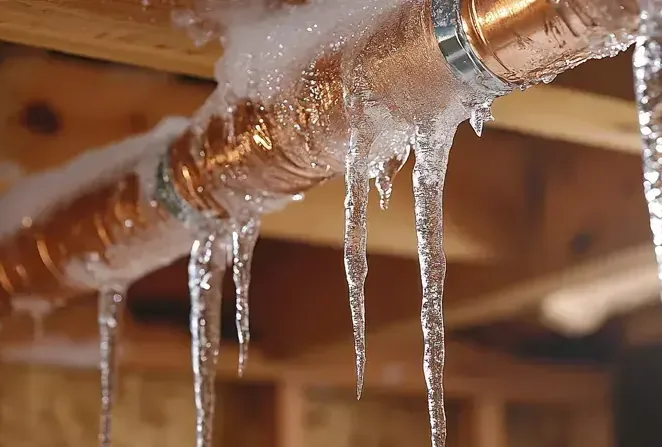
A vacant Stratmoor home needs a workable plan for water shutoff and property checks before cold weather causes trouble. The local districts warn that burst pipes can cause significant damage before anyone discovers the problem in an empty building. Their advice on winterization, valve access and vulnerable pipes gives an absent owner a practical place to begin.
Key takeaways
- Arrange access for a responsible property contact before the building is left vacant.
- Locate the water shutoff and follow the districts' recommendation to test it regularly.
- Disconnect outdoor hoses and arrange proper draining of exterior faucet piping.
- Give a responding professional the observed wet areas and the last known dry visit.
- Coordinate pipe correction with a room by room assessment of escaped water.
An absent owner needs more than a spare key
A property contact should know how to enter, whom to notify and where the water shutoff is located. The Stratmoor Hills Water and Sanitation Districts recommend knowing and regularly testing that valve.
The owner can arrange that preparation before departure so a later visitor does not have to search during an active release.
The district guidance describes a usual shutoff location on a street facing wall in a basement or crawl space. A building's actual valve should be located and recorded during an ordinary visit.
A photograph of the access route helps the designated contact recognize it without relying on a general location description.
The access plan should include permission to contact the plumber and cleanup provider if water is discovered. Frozen pipe water damage cleanup begins with a useful account of the property condition and the steps already taken.
The owner should be reachable for decisions about access and damaged contents.
Exterior preparation belongs on the departure checklist
The local districts recommend disconnecting hoses, turning off outdoor faucets and fully draining exterior faucet piping. An owner can arrange those tasks while the building remains occupied, with professional assistance where needed.
Completing the preparation before departure avoids leaving the property contact to work out unfamiliar plumbing during cold weather.
Vulnerable pipes and pipes that have caused trouble before deserve particular attention under the district advice. A written history can identify the location of earlier problems and the work performed.
That gives the plumbing professional something specific to evaluate when preparing the building for a period without regular occupancy.
The district also recommends winterizing unheated or vacant buildings. The owner should ask the responsible professional to describe the scope and leave operating instructions for the property contact.
The departure record can then show what was completed and which conditions need to remain in place while the owner is away.
- Record where exterior hoses were disconnected.
- Keep the winterization work description with the property instructions.
- Identify pipe locations with a history of trouble.
- Explain which controls the property contact may operate.
A wet arrival changes the purpose of the visit
A visitor who encounters standing water should prioritize safe observation and notification. The initial report can describe water visible from the entrance, sounds of ongoing flow and the rooms that can be seen without entering the wet area.
A clear account is more useful than a guess about how long the release has continued.
The owner can provide the date of the last visit when the building was known to be dry. That date and the discovery time create a factual interval for the inspection record.
Messages, property check notes and photographs should stay together so the sequence remains available to the responding professionals.
If the broken pipe cannot be isolated, the districts direct customers to contact their office for assistance. The property contact should relay that situation accurately while the owner coordinates the response.
Access to a shutoff should never require crossing an unsafe wet area or handling affected electrical equipment.
- Describe the discovery before moving possessions.
- Preserve the last dry visit record.
- Report whether the shutoff can be reached safely.
- Notify the owner when professional access has been arranged.
The pipe repair record anchors the cleanup sequence
The plumbing professional should identify the failed component and document the correction. A water release assessment can then follow the rooms and materials reached by escaped water.
Keeping the pipe location visible in photographs helps connect the source repair to damage elsewhere in the building.
In a vacant home, stored belongings may conceal part of that route. Boxes against a wall, furniture over a floor joint or closed interior doors can limit the initial view.
The cleanup assessment should describe how access was gained and what was found as the affected areas became visible.
The owner should receive updates that separate completed source work from ongoing material work. A repaired pipe is a useful milestone, while floors, wall bases and adjoining spaces may still need attention.
Clear descriptions make it easier for an owner at a distance to authorize the next necessary task.
Remote decisions need photographs with context
An isolated close photograph can be hard for an absent owner to interpret. A room view followed by a closer image of the affected material gives the picture a recognizable location.
Each image set should identify the room and explain what decision it supports, such as access, removal or continued drying.
A contents list should distinguish belongings moved for access from belongings damaged by water. That prevents uncertainty when the owner later returns to a room arranged differently.
The record can identify where movable items were placed and which require further assessment before being returned to normal use.
The same approach helps with openings in walls or floors. Before an opening is made, the team can explain its purpose and show the location.
After access, a followup image can record the exposed condition so the owner and eventual repair contractor understand the remaining scope.
- Pair detail photographs with an identifiable room view.
- Label relocated belongings with their temporary location.
- Request the reason for proposed material removal.
- Retain images of concealed areas before they are closed.
Drying progress should remain understandable from away
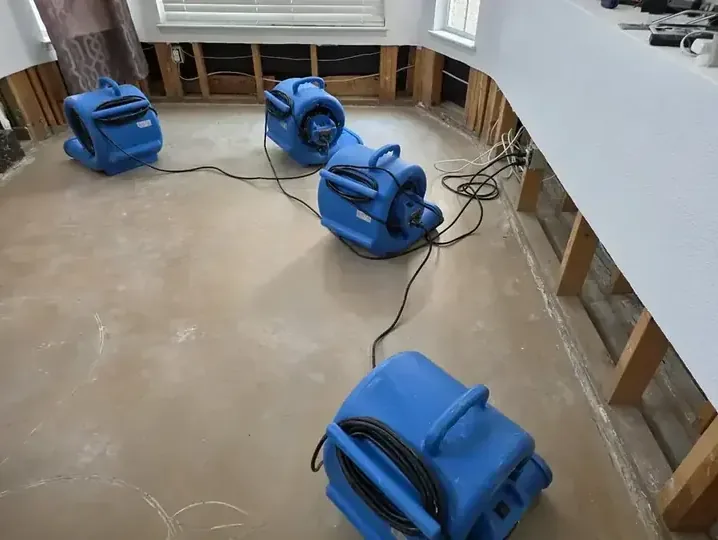
The owner can ask the team to identify the retained materials being tracked and the locations used for repeat assessments. Structural drying becomes easier to follow when updates refer to the same rooms and surfaces.
Equipment changes should be explained in relation to the material condition.
Access arrangements may need to continue through the drying period. The property contact should know which equipment must remain undisturbed and how the team will enter for followup work.
A shared schedule reduces confusion when the owner, contact and contractors are communicating from different locations.
The completion record should name the evaluated materials and any areas requiring reconstruction. An owner can use that information to arrange finish repairs before returning.
The handoff should also state whether belongings can be moved back or whether the repair contractor still needs a clear work area.
Prepare the next vacancy from the actual findings
The completed incident provides a specific maintenance history for the property. The owner can keep the failed pipe location, access photographs and repair description with the winterization instructions.
Future preparation can then address the part of the building that actually required work, alongside the districts' broader prevention advice.
A revised access plan should reflect any changes made during repair. A valve may now be easier to reach, or stored belongings may need a different location to keep the path open.
The property contact should receive updated photographs instead of relying on instructions from before the damage.
Stratmoor is an unincorporated community served by local districts within their boundaries. Keeping the correct account information with the house instructions makes utility contact easier during a future absence.
The owner can leave the building with clear responsibilities for access, observation and reporting rather than an improvised emergency arrangement.
Questions
What information should a property contact have?
The contact needs authorized access, the owner's preferred notification method, the actual shutoff location and instructions for obtaining professional help. A photograph of the valve route can make the written directions easier to use.
What if the water cannot be isolated?
The local district guidance directs customers to its office for help with that situation. The report should explain the access problem and whether flow appears to be continuing inside the building.
How should an owner describe an unknown leak duration?
The record can give the last dry property visit and the time water was discovered. Those observations preserve the known sequence for the plumbing and cleanup assessments.
What should remain in the house file after repair?
The file should include winterization instructions, source repair details, photographs of the water route and the material drying handoff. Updated access information belongs there too, especially if storage or plumbing access changed during the work.