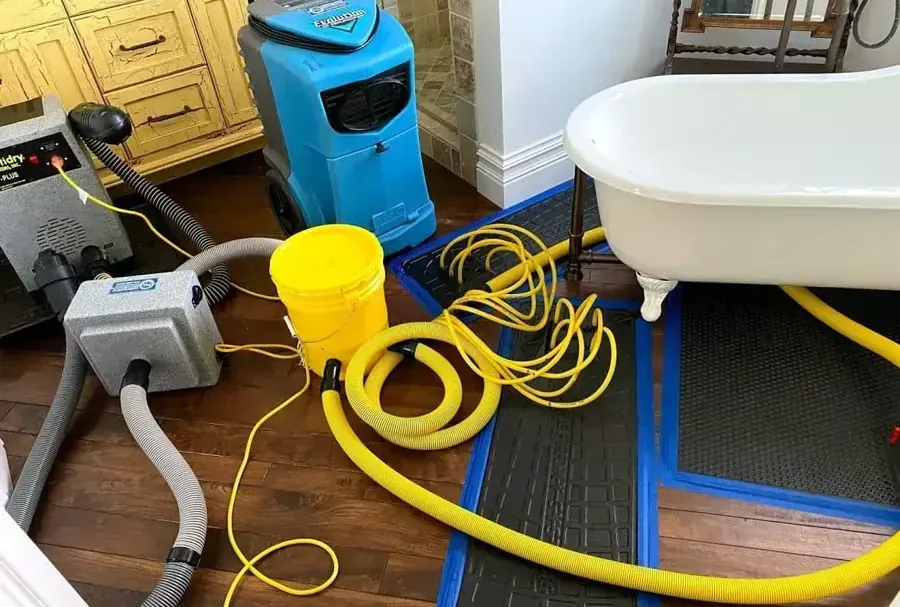
A toilet overflowing in Security-Widefield can lead to questions about the bathroom, the private drain and the utility serving the property. The unincorporated community includes separate service areas for Security Water and Sanitation District and Widefield Water and Sanitation District. The first useful decisions concern stopping further discharge, identifying the correct provider and describing what the fixtures are doing.
Key takeaways
- Stop putting water into drains or toilets while the backup is being addressed.
- Use property account records to identify the serving utility before reporting symptoms.
- Report water returning through other fixtures as well as the overflowing toilet.
- Ask nearby occupants about concurrent backups and pass their observations to the utility.
- Keep drain diagnosis, bathroom cleanup and remaining floor repairs clearly documented.
A service account is the best starting point for reporting
Fontaine Boulevard runs through the community, and the local service description identifies areas served by different districts. Security Water and Sanitation District serves much of the section north of the boulevard.
Widefield Water and Sanitation District serves a smaller northern section and the southern section, including areas east of Grinnell.
An owner can retrieve the utility account or property management records before making a report. This gives the household a direct way to identify its serving provider while the bathroom remains out of use.
In a rental, the manager can supply that information alongside the building's maintenance contact.
The provider report should state that wastewater is appearing indoors and identify the fixtures involved. Toilet overflow cleanup can be arranged for the affected bathroom while the drainage assessment proceeds.
The cleanup team needs the room conditions and safe access details as well as the source symptoms.
Several fixtures can tell a more complete story
Widefield Water and Sanitation District describes sewer backups as sewage overflowing through tubs, toilets, sinks or drains. A homeowner can note each affected fixture without testing the system by flushing again.
A tub receiving water while a toilet is unused is an observation worth including in the initial report.
The sequence matters as much as the list. An owner may have noticed a slow drain earlier, then water at the toilet after an appliance discharged.
Writing those events in order helps a plumbing professional understand the reported behavior without losing details during the disruption.
Other occupants may have useful observations from a different room. The household can collect those descriptions while keeping drain use suspended.
A shared note with fixture names, times noticed and visible changes is easier for the responding professionals to use than separate accounts given throughout the visit.
- Identify fixtures with visible return water.
- Note whether an appliance was discharging beforehand.
- Describe any earlier slow drainage reported by occupants.
- Avoid another flush merely to recreate the problem.
Neighboring symptoms belong in the report
The district explains that backups affecting multiple neighboring properties can indicate a main sewer problem. It asks residents to report backups so the main can be checked.
An owner can ask neighbors about visible symptoms and share their answers with the serving utility while arranging a plumbing assessment.
That conversation should stay specific. A nearby household with sewage in a tub has reported something different from a household with no water pressure.
Keeping the descriptions intact gives the utility more useful information than reducing every nearby complaint to the same supposed cause.
The owner should also retain the instructions received after the report. If the utility requests more information or provides an inspection update, that message belongs with the incident notes.
The plumbing professional can then coordinate the property investigation with the utility's findings as they become available.
Protect the doorway before moving bathroom contents
Once the overflow reaches the bathroom floor, household movement can complicate cleanup. Occupants should stay outside the affected area, and wet possessions should not be carried through dry rooms without a handling plan.
The doorway is a useful point for documenting visible spread from a safe position.
A cleanup assessment should include the floor beneath movable storage and the junctions beside the toilet, vanity and walls. Photographs can show which objects were present when the water was discovered.
This helps explain later access work and gives the owner a record of the original bathroom arrangement.
Sewage removal and cleanup should identify the affected surfaces and the proposed handling of furnishings. An owner can ask how the work area will be separated from the household's usable spaces.
Practical access instructions are especially helpful when another bathroom remains available elsewhere in the home.
- Keep wet towels and tools inside the designated work area.
- Photograph the bathroom entrance and adjoining floor.
- Point out storage that conceals floor edges.
- Request a safe route for household access to unaffected rooms.
Pipe findings shape the repair assignment
Widefield's published backup information identifies clogged pipes, separated underground joints and roots as possible drain problems. The plumbing inspection should establish what is present at the property and explain the recommended correction.
A household can request the findings in writing, together with photographs or inspection records when available.
The district states that it is not responsible for the property service pipe. An owner served by that district should keep the property repair scope distinct from any work the utility describes on its own system.
The responsible parties can then coordinate access without leaving the indoor cleanup assignment unclear.
A repaired drain still leaves the overflowed bathroom requiring attention. The project record should show when the plumbing problem was addressed and what remained wet or soiled indoors.
This sequence helps the owner follow the progress from a working drainage system to an assessed and usable room.
- Request the plumber's diagnosis of the actual obstruction or defect.
- Keep property pipe work identifiable in the invoice.
- Save utility findings with the original report.
- List remaining cleanup work after drainage is restored.
Bathroom recovery extends below the visible surface
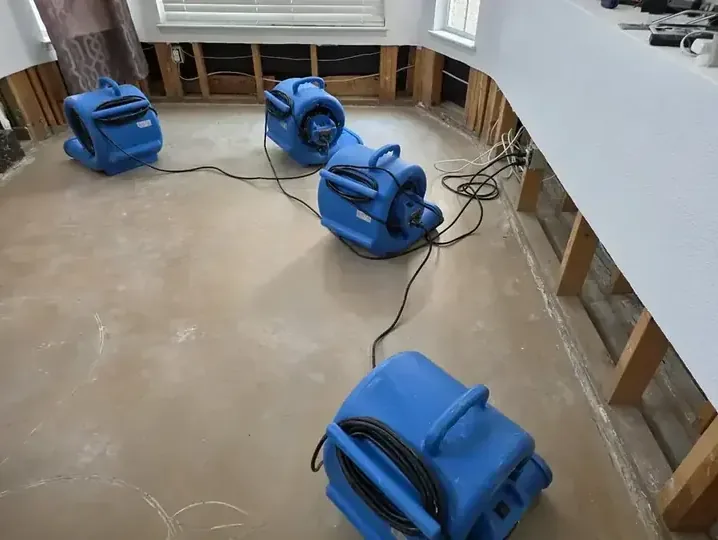
The material assessment should explain what happened at floor seams, wall bases and fixed cabinet edges. Those details determine the areas needing further access and attention.
The owner should be able to connect each proposed opening or removal to an observed condition in the bathroom.
For retained materials, structural drying needs a record of the locations assessed and their response. The cleanup team can explain the purpose of the equipment and the checks planned before completion.
The bathroom's appearance after washing is only part of the overall handoff.
Reconstruction becomes easier when the remaining scope is written by surface. A proposal can distinguish flooring replacement, trim work and any cabinet repair from completed cleanup.
This gives the next contractor enough detail to estimate the finish work and plan access around the household's needs.
Use the incident to improve drain habits
The district advises keeping fats, oils and grease out of the drainage system. It also lists wet wipes and paper towels among materials that should stay out.
An owner can share these instructions with the household after the immediate disruption has been resolved, especially where several occupants use the same facilities.
Maintenance records deserve a permanent place with the utility information. A later plumber benefits from knowing what was previously found, what work was completed and whether symptoms returned.
A concise record of the first backup is more useful for that purpose than an unlabeled collection of receipts.
Widefield also recommends asking the insurer about sewer and drain backup coverage. The owner can retain the insurer's response with the policy documents and the cleanup file.
Keeping those records accessible supports future planning without interrupting the practical work needed to restore the bathroom now.
Questions
Does every property use the same utility?
The community has more than one district service area. A utility bill or property management record can identify the provider associated with the affected property before the owner sends a backup report.
What if a nearby home has a backup too?
The report should include that household's observed symptoms and when they appeared. The serving district can use the information when deciding how to check its sewer system.
Should a toilet be flushed to see whether it cleared?
The district's advice is to stop sending water into fixtures until the clog is addressed. The plumbing professional can explain how normal use should resume after evaluating the drainage problem.
What belongs in the bathroom completion file?
A useful file shows the pipe finding, the surfaces affected by overflow, cleanup decisions and the condition of retained materials. Any unfinished floor, trim or cabinet work should be clearly identified for the repair contractor.